Discovering Pang Hi Village with Flexible Travel and Coffee Farm Adventures
Experience independent travel in Doi Saket District, combining village culture, coffee farm tours, and convenient car rental with driver options
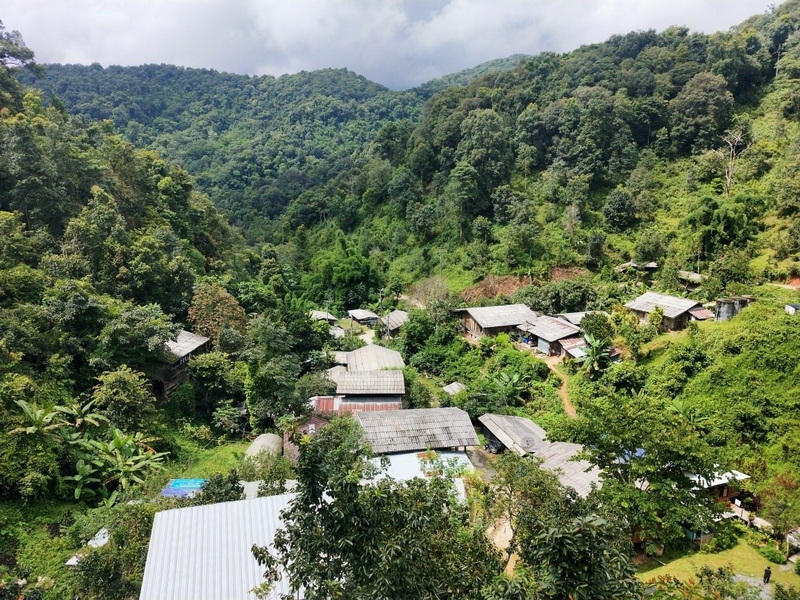
Situated in the tranquil surroundings of Doi Saket District, Chiang Mai, Pang Hi Village offers independent travelers a chance to immerse themselves in authentic rural Thai life while enjoying the flexibility to explore at their own pace. This village is renowned for its cultural charm and proximity to thriving coffee plantations, making it a perfect destination for those interested in agricultural tourism alongside traditional village attractions. To enhance the experience, renting a car with a driver is a practical option that provides freedom and comfort, allowing visitors to customize their itinerary without relying on fixed group tours or public transport schedules. This guide aims to help independent travelers plan an engaging visit to Pang Hi Village by highlighting notable village attractions, insights into nearby coffee farm tours, and practical advice on arranging car rental with driver services. By combining these elements, visitors can craft a meaningful and flexible journey through this captivating part of Chiang Mai.
Exploring Village Attractions in Pang Hi Village for Independent Travelers
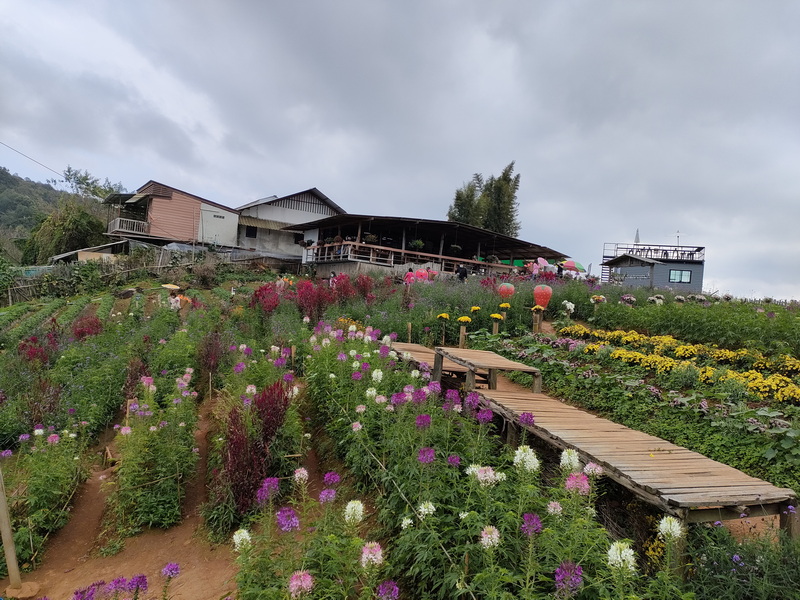
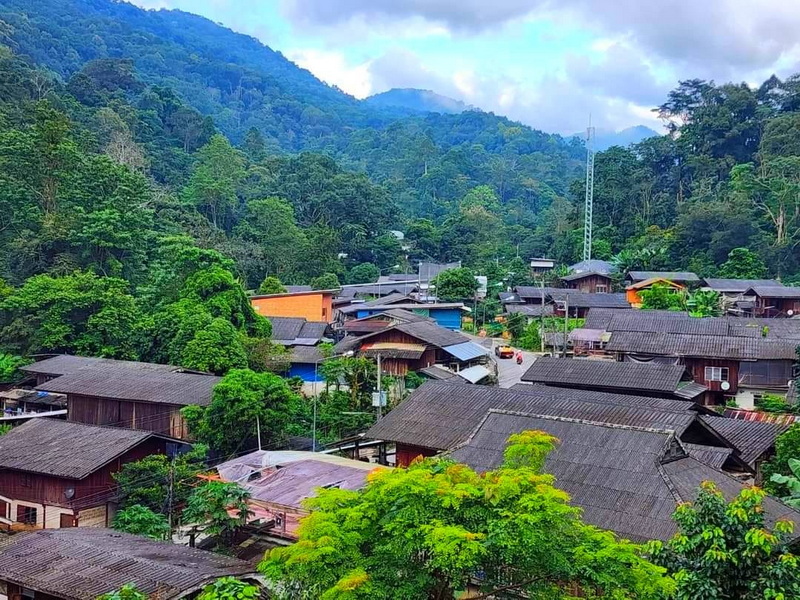
Pang Hi Village stands out as a destination that invites visitors to discover traditional Thai village life in a peaceful setting. Independent travelers will appreciate the opportunity to wander through the village at their own speed, taking in the local architecture, handicrafts, and daily routines of the community without feeling rushed. The village’s atmosphere encourages respectful interaction with residents, offering insights into their customs and ways of life. Travelers researching Village Attractions in Chiang Mai can use these details when planning the trip. Travelers researching Chiang Mai Coffee Farm Tour can use these details when planning the trip. Travelers researching Chiang Mai Car Rental with Driver can use these details when planning the trip.
Among the attractions are small workshops where local artisans create handmade goods, traditional wooden houses that showcase northern Thai design, and communal spaces where villagers gather for cultural activities. Exploring these sites independently allows visitors to engage more deeply with the environment and gain an authentic understanding of rural life.
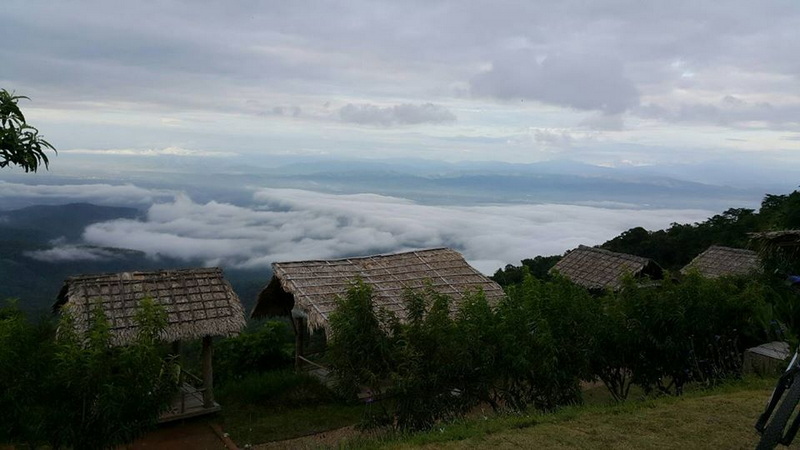
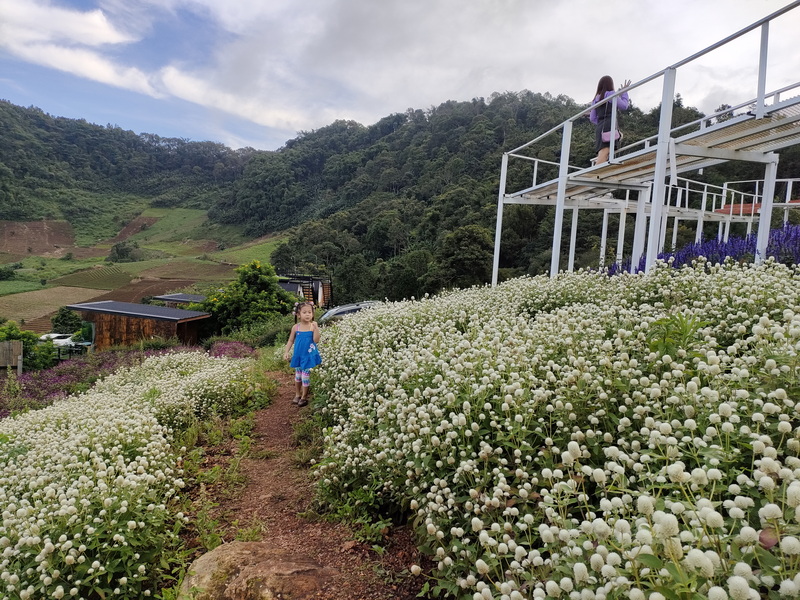
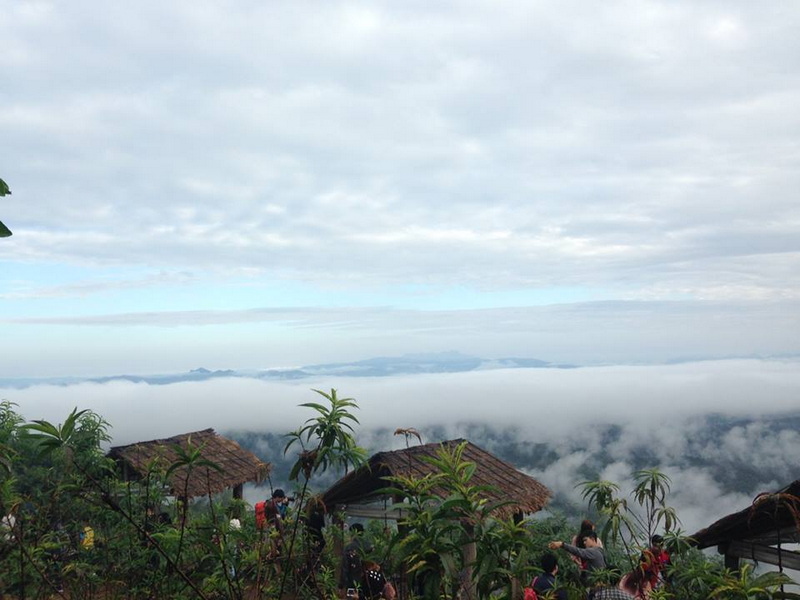
For those who enjoy photography or simply want to absorb the serene surroundings, the village layout provides quiet corners and scenic spots ideal for reflection away from crowded tourist hubs. This self-guided approach to visiting Pang Hi Village is well suited for travelers seeking cultural enrichment combined with relaxed exploration.
Chiang Mai Coffee Farm Tours Near Pang Hi Village
The area surrounding Pang Hi Village is part of Chiang Mai’s renowned coffee-growing region, where visitors can experience the full cycle of coffee production. Several nearby farms offer tours that introduce guests to the cultivation, harvesting, and processing of Arabica coffee beans. These tours are designed to provide an educational and hands-on experience, appealing to those interested in agricultural tourism.
During a typical coffee farm tour, travelers learn about the unique climate and soil conditions that make this region ideal for coffee cultivation. Visitors can observe the picking of ripe coffee cherries, see the drying and roasting processes, and sample freshly brewed coffee made from local beans. These farm visits also often include explanations of sustainable farming practices and the challenges faced by farmers.
Participating in coffee farm tours near Pang Hi Village enriches the travel experience by connecting visitors with the agricultural heritage of northern Thailand. Independent travelers can select tours that fit their schedule and preferences, especially when combined with flexible transportation options.
Advantages of Chiang Mai Car Rental with Driver for Independent Travel
Navigating the rural roads around Pang Hi Village and the surrounding Doi Saket District can be challenging without local knowledge. Renting a car with a driver provides a convenient and reliable solution that enhances the independent travel experience. This option offers flexibility to visit multiple attractions in one day, adjust plans spontaneously, and avoid the limitations of public transportation.
A local driver brings valuable insights into the area, including recommendations for hidden gems and the best times to visit specific sites. This personalized service also ensures safety on winding or less-traveled roads, allowing travelers to focus on enjoying their journey.
For those who prioritize comfort and efficiency, car rental with driver services in Chiang Mai cater to a range of needs, from half-day trips to multi-day itineraries. Independent travelers benefit from the freedom to create their own schedules without being tied to fixed tour group timings.
Tips for Arranging Flexible Car Rental with Driver in Chiang Mai
When planning transportation to and around Pang Hi Village, it is helpful to book car rental with driver services in advance, especially during peak travel seasons. Many providers offer customizable packages that can be tailored to the length of stay and desired destinations.
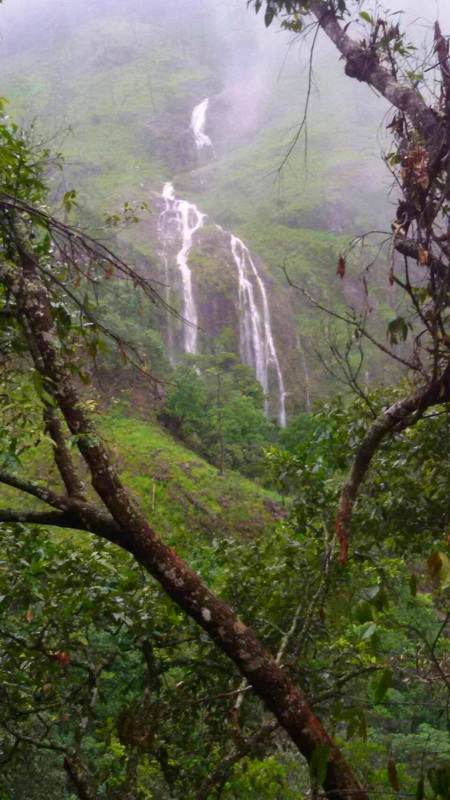
Communicating your itinerary clearly and discussing any special requests with the driver beforehand contributes to a smooth travel experience. It is also advisable to confirm the driver’s familiarity with rural routes near Pang Hi Village and nearby attractions to maximize the efficiency of your trip.
Independent travelers may find it beneficial to compare options through reputable local agencies or trusted online platforms. Reading reviews and seeking recommendations can help identify reliable services that prioritize punctuality, safety, and respectful interaction with guests.
By choosing flexible car rental with driver services, visitors gain control over their travel pace while supporting local employment and contributing to sustainable tourism practices in the region.
Nearby Attractions
Kingkong Smile Zipline
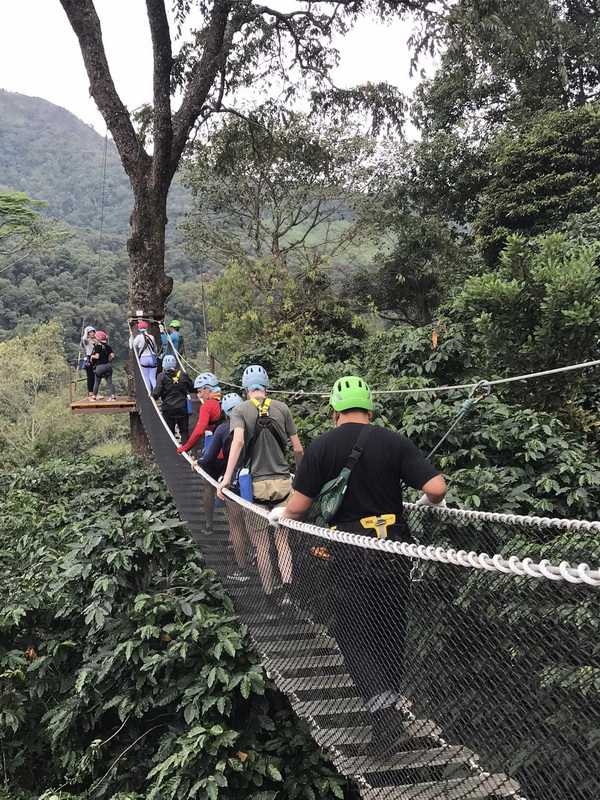
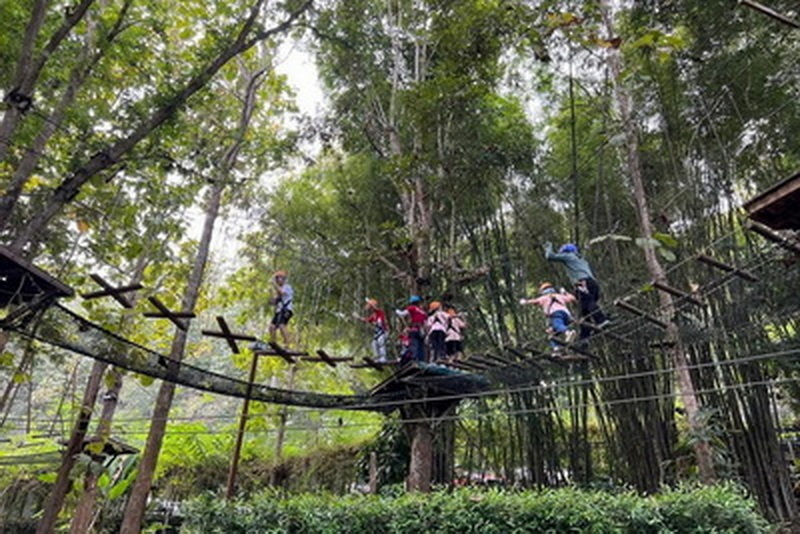
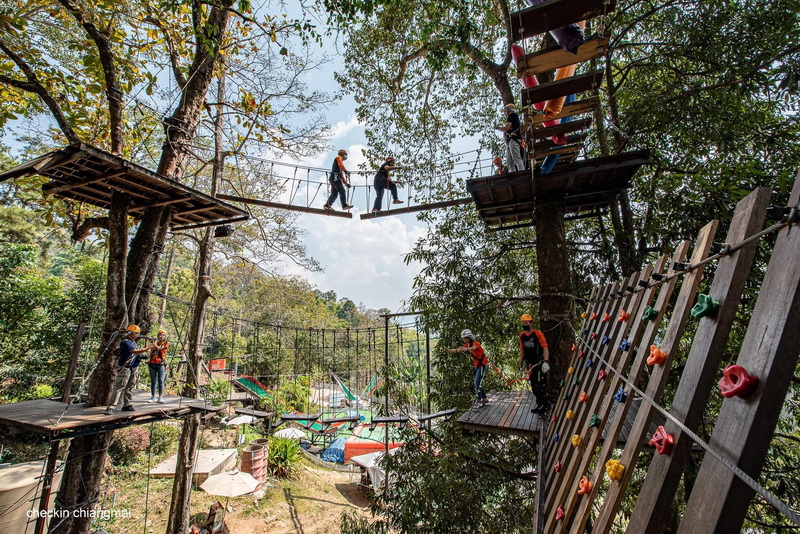
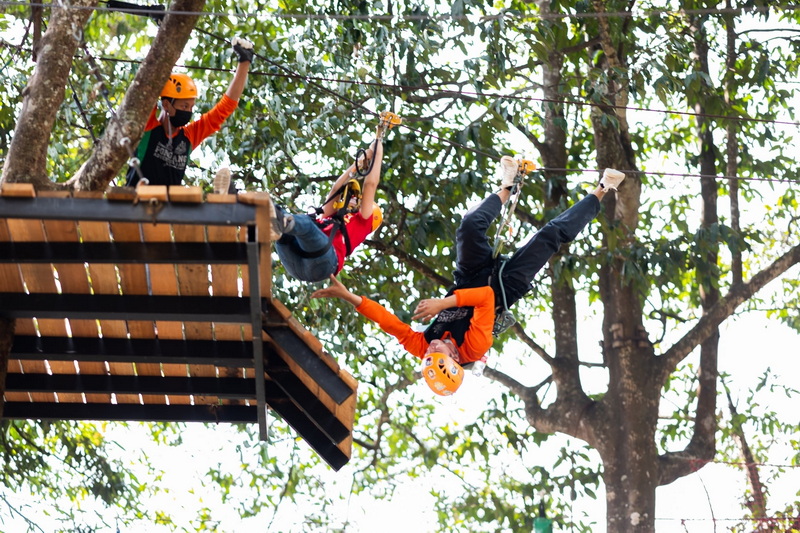
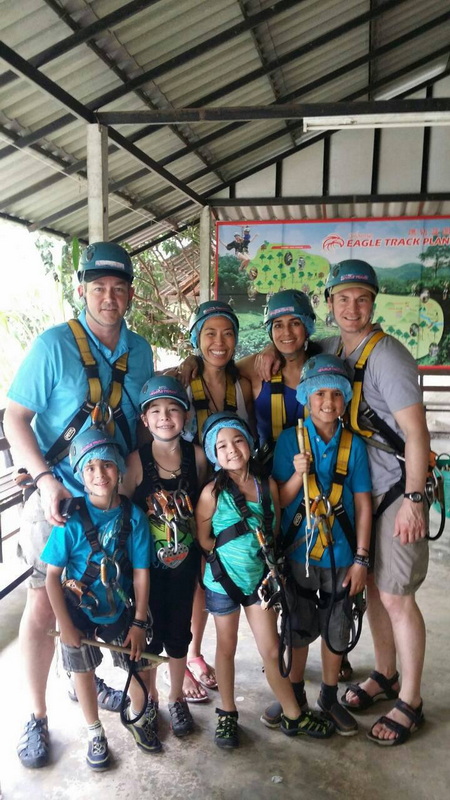
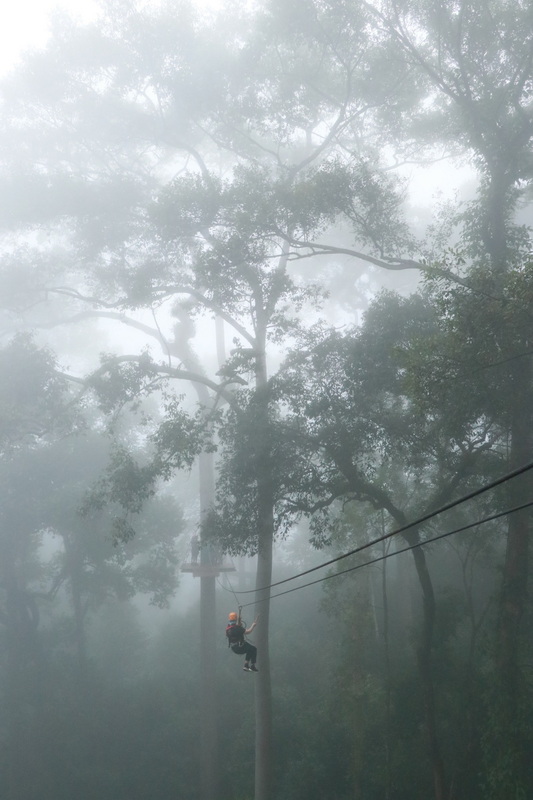
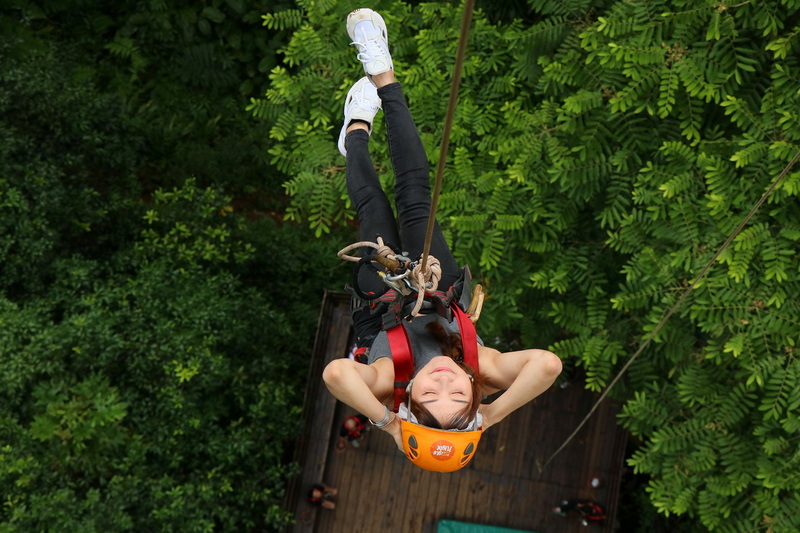
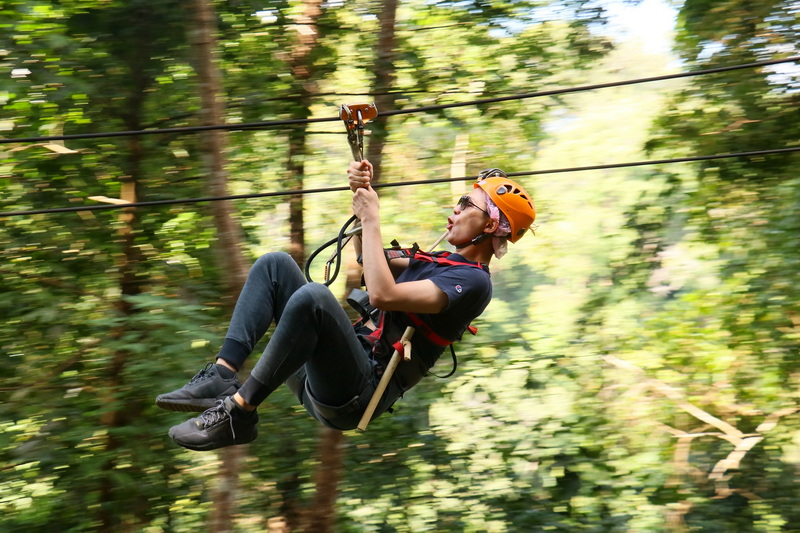
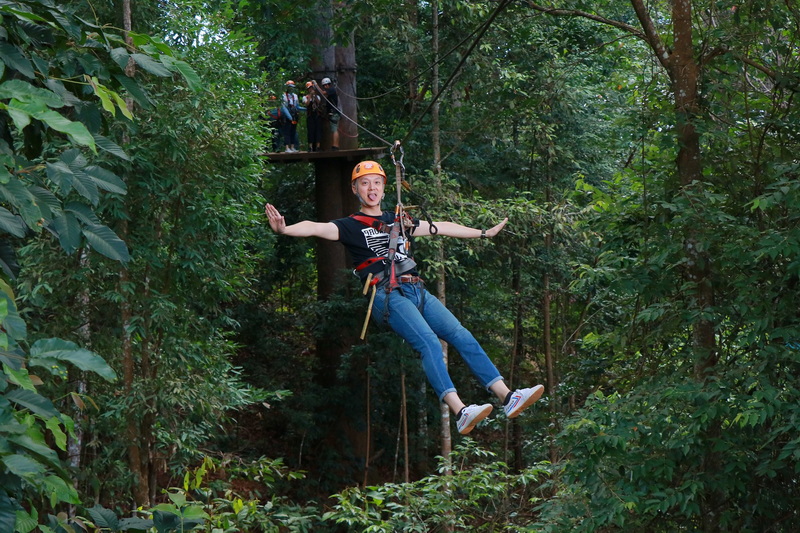
Located close to Pang Hi Village, Kingkong Smile Zipline offers an adventurous way to experience the lush forests of Doi Saket District. This attraction features a series of ziplines that allow visitors to soar over the treetops, enjoying panoramic views and an adrenaline-filled perspective of the natural landscape.
For independent travelers who appreciate mixing cultural visits with outdoor activities, Kingkong Smile Zipline provides a memorable complement to a day exploring the village and coffee farms. The site is accessible by car rental with driver, making it easy to incorporate into a flexible itinerary.
Skyline Jungle Luge
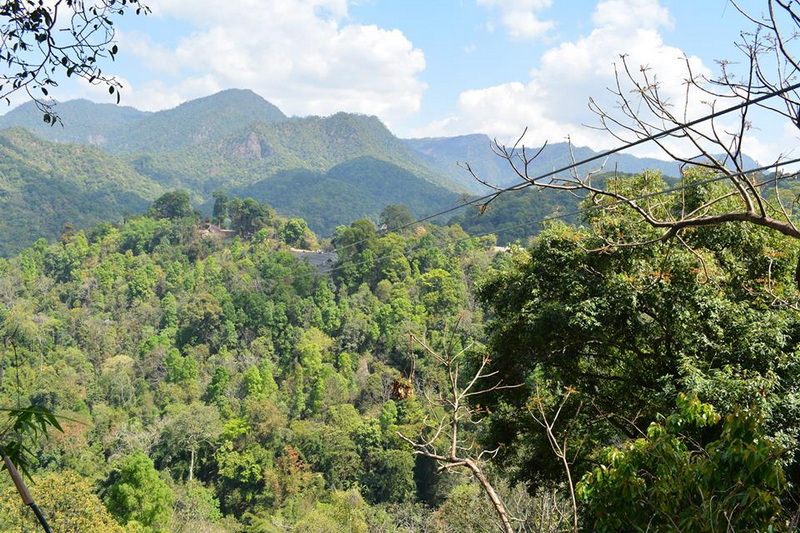
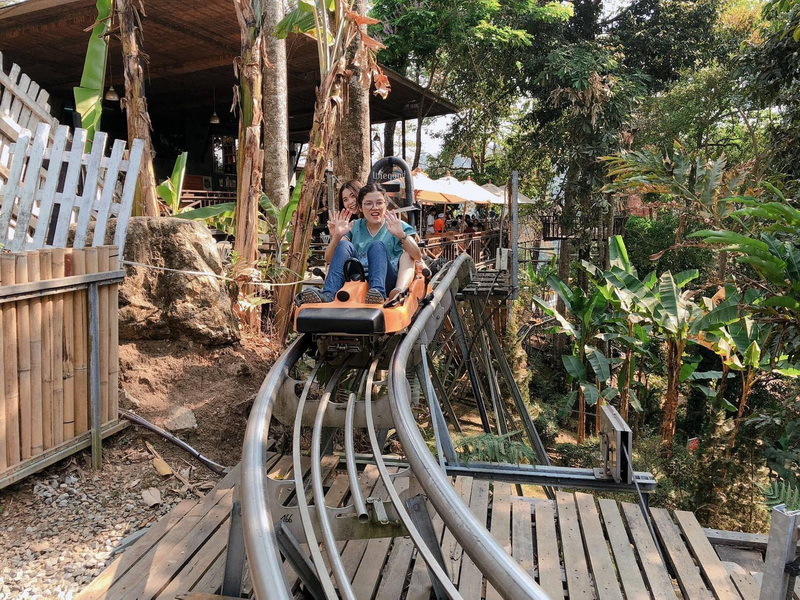
Another exciting nearby attraction is Skyline Jungle Luge, where visitors can race down purpose-built tracks on unique luge carts. This family-friendly activity combines fun and thrill with the scenic backdrop of Chiang Mai’s jungle environment.
Skyline Jungle Luge is well suited for travelers who enjoy hands-on experiences and wish to balance cultural exploration with recreational opportunities. Its proximity to Pang Hi Village makes it a convenient stop when traveling with flexible transportation options such as a car rental with driver.
Looking Ahead to Your Visit
Pang Hi Village and its surrounding area in Doi Saket District provide a compelling destination for independent travelers eager to explore authentic village life alongside agricultural and outdoor experiences. By combining visits to local attractions with engaging coffee farm tours, and utilizing the convenience of car rental with driver services, visitors gain the freedom to tailor their journey according to personal interests and timing. This flexible approach not only enhances the depth of cultural engagement but also supports sustainable tourism by fostering respectful connections with local communities. With thoughtful preparation and an open mindset, exploring Pang Hi Village becomes a rewarding adventure that blends tradition, nature, and modern travel convenience seamlessly.

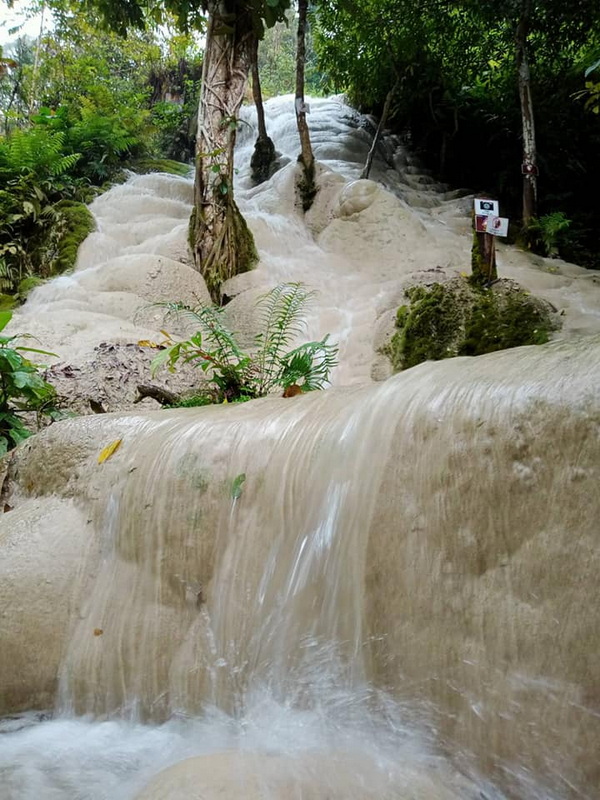

.jpg "Tree Adventure Platform at Pong Yang Zipline")