Baan Huai Kung and the Cultural Landscapes of Soppong
A respectful look at Karen Longneck heritage, varied mountain trails, and living communities in Mae Hong Son
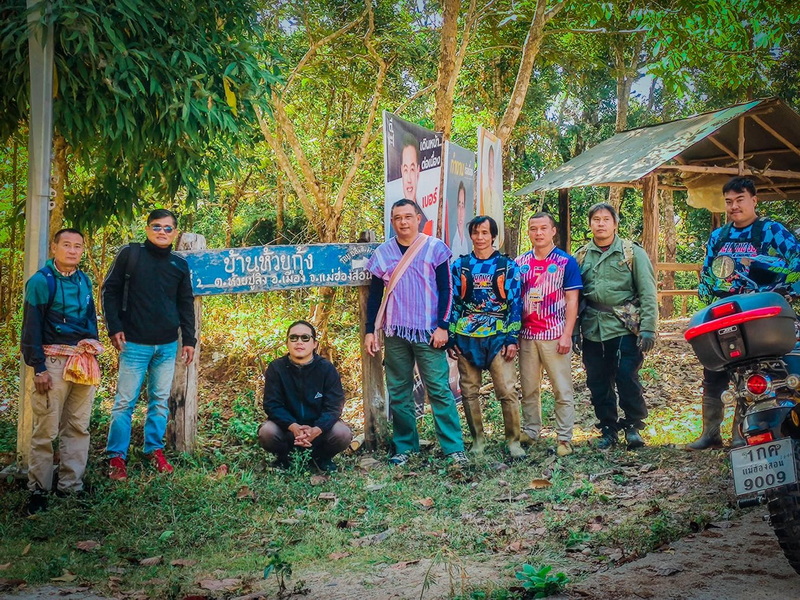
In the mountainous west of Mae Hong Son, villages and forest paths form a connected cultural landscape rather than separate sightseeing stops. Baan Huai Kung, also written as Ban Huai Kung or Huay Kung Village, belongs in this wider setting. Its importance for a thoughtful traveler lies not only in the possibility of walking through a beautiful environment, but also in understanding the people, histories, and daily livelihoods that give the landscape meaning. The phrase Karen Longneck is widely used in travel writing, although it can simplify a diverse set of Karen identities and experiences. The brass coils associated with some women are part of a visible cultural tradition, but they should never be treated as a spectacle. Around Baan Hauy Kung, a more respectful approach is to view cultural encounters as opportunities to listen, learn, and support community dignity. The surrounding routes also offer varied terrain, from forested slopes and rural paths to riverine landscapes, making Trekking In Soppong Mae Hong Son a subject best understood through both ecology and local context.
Reading Karen Longneck Culture with Respect
Karen communities are not culturally uniform, and the expression Karen Longneck refers to a particular visual tradition rather than to every Karen person. The neck coils, often made from brass, are connected to identity, family tradition, and ideas of beauty within communities where they are practiced. Their meaning should be explained by community members themselves whenever possible, since outside descriptions can easily reduce a living culture to one recognizable image.
For visitors, the most important distinction is between cultural learning and passive observation. A village is a home and workplace, not a staged display. Asking before taking photographs, respecting private areas, dressing modestly, and avoiding comments about appearance are simple ways to show consideration. Buying locally made goods directly from residents, where appropriate, can also recognize the value of community livelihoods without turning a personal encounter into a transaction that defines the whole experience.
Baan Huai Kung is therefore best approached with patience. Notice the ordinary details as well as the cultural features that attract visitors: homes, gardens, paths, cooking, craftwork, and conversation. These details place cultural traditions in everyday life. The result is a fuller understanding of a community with its own choices and responsibilities, rather than an image created solely for outsiders.
Why Soppong Offers More Than One Kind of Trail
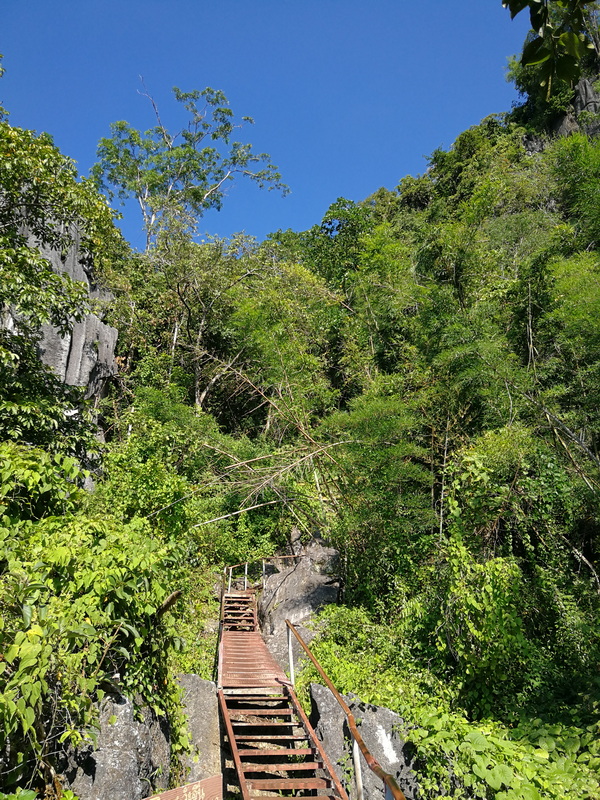
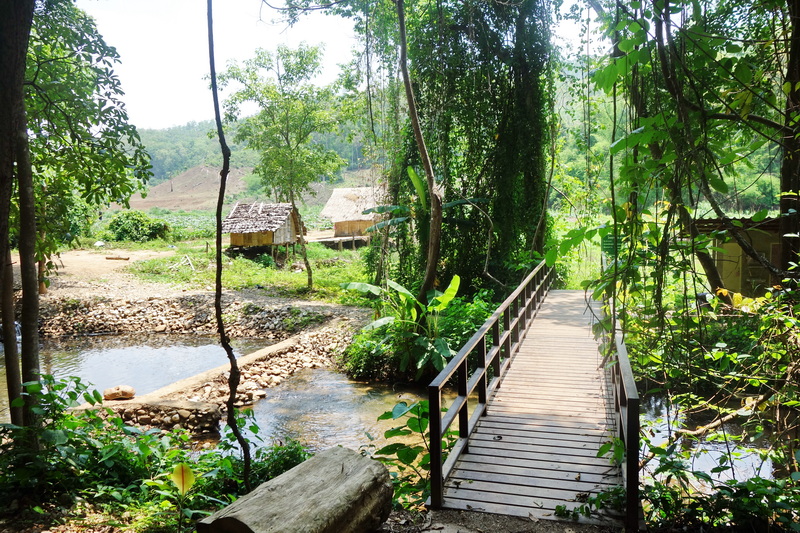
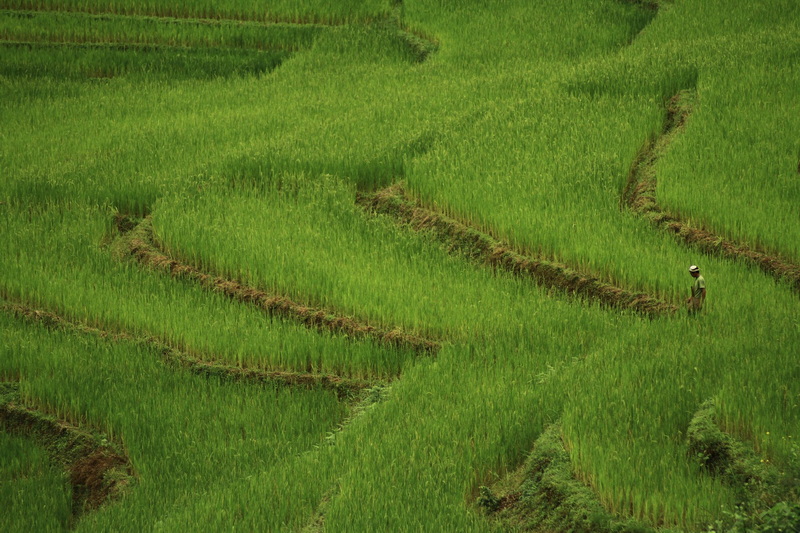
Soppong, commonly associated with the Pang Mapha area, is known for a rugged northern landscape shaped by limestone hills, valleys, forest, and waterways. Walking here can involve quiet village lanes, cultivated ground, shaded woodland, uneven ridges, and passages near streams. Conditions vary with weather and local land use, so the character of a route may change from one section to another. This variety is what makes Trekking In Soppong Mae Hong Son especially interesting for travelers who want more than a single scenic viewpoint.
The word trekking can describe different levels of movement in this region. Some walks are gentle explorations through settled areas, while others require stronger footing on steep or slippery ground. A trail may feel open in one season and overgrown in another. Heat, rain, mud, insects, and exposed roots are ordinary parts of a tropical mountain environment. Visitors should judge their ability realistically and follow current local advice rather than assuming that a route is easy because it appears short on a map.
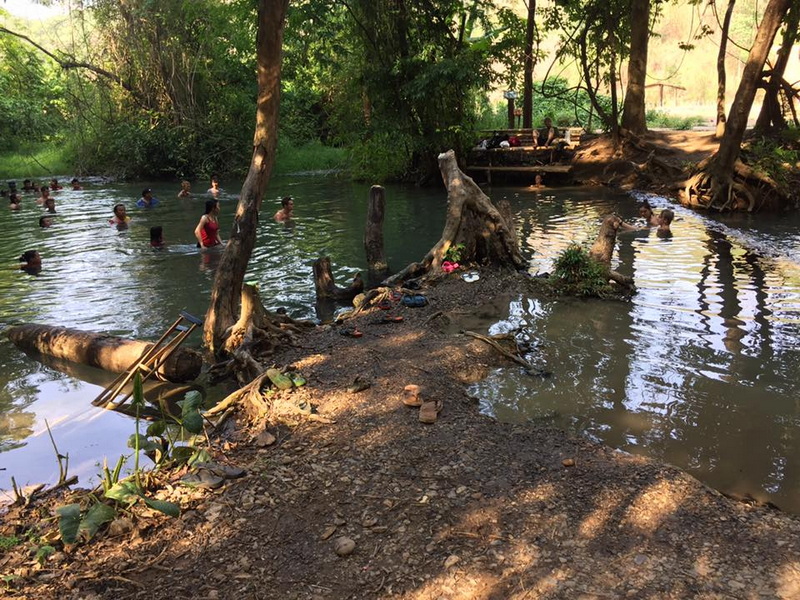
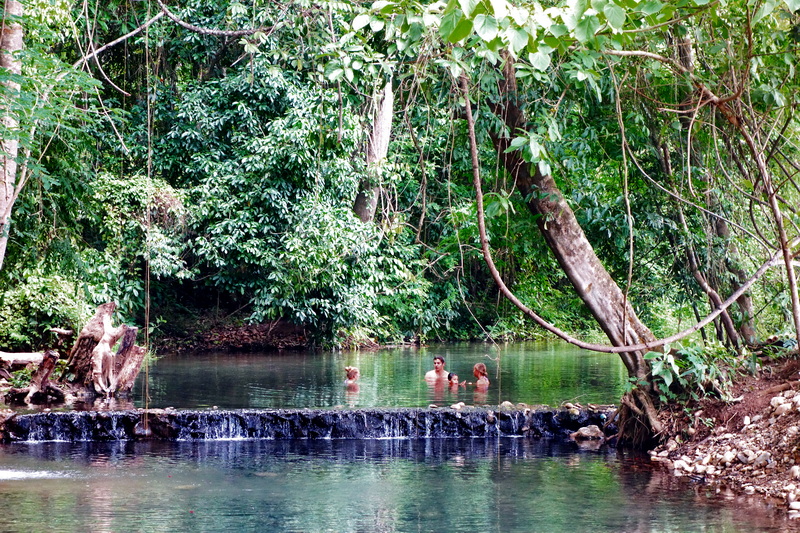
The diversity is also ecological. Forest edges, agricultural plots, streams, and higher ground support different plants and wildlife. A quiet pace helps walkers notice birdsong, changing vegetation, water movement, and signs of cultivation. Keeping voices low, carrying waste out, staying on established paths where requested, and avoiding the removal of plants or rocks protect both the environment and the experience of people who use these places every day.
Baan Hauy Kung as a Living Place
The spelling Baan Hauy Kung appears in some travel references, while other sources and maps may use Ban Huay Kung, Ban Huai Kung Village, or related forms. Such variations can make local research confusing, but they point toward the same need for care: confirm place names and access information locally before setting out. The village should be understood as part of the broader Mae Hong Son highland landscape, not as an isolated attraction detached from neighboring communities.
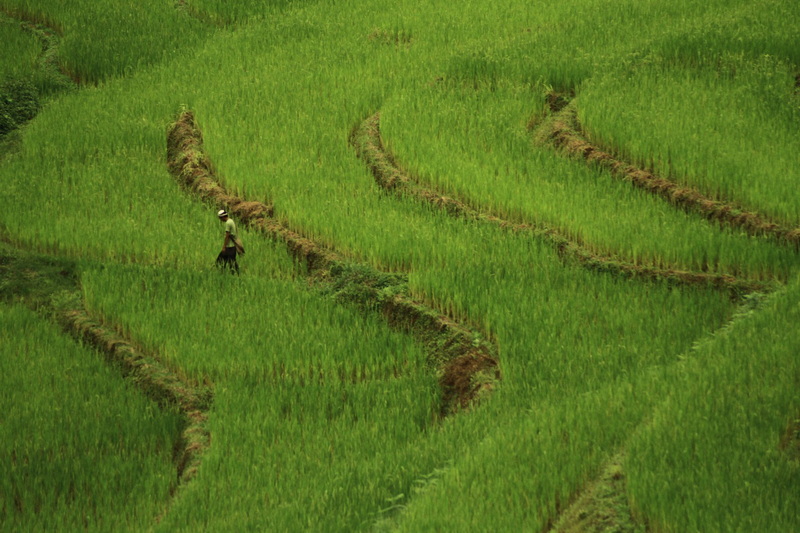
A respectful visit begins with observation rather than assumptions. Paths through or near a village may be used by residents, farmers, children, and animals. A house front can be a private space even when it faces a public path. Travelers should ask permission before photographing people, especially children, and should not touch clothing, ornaments, or personal belongings. Conversation is more meaningful when it is reciprocal, with room for residents to decide what they want to share.
The village setting also shows how culture and environment overlap. Building materials, gardens, food, clothing, and movement through the landscape can reflect adaptation to mountain conditions and local livelihoods. A walk that includes these everyday dimensions is more rewarding than one focused only on a single cultural symbol. It also avoids the exoticizing language that has often shaped descriptions of Karen communities in older tourism material.
Travelers who want to contribute positively can choose locally appropriate services, follow community guidance, and leave commercial decisions to residents rather than bargaining aggressively or treating people as photographic subjects. These actions may seem small, but they help preserve a relationship based on consent and respect. The goal is not to collect proof of having visited, but to leave the place with its dignity and daily rhythm intact.
Building a More Thoughtful Trekking Experience
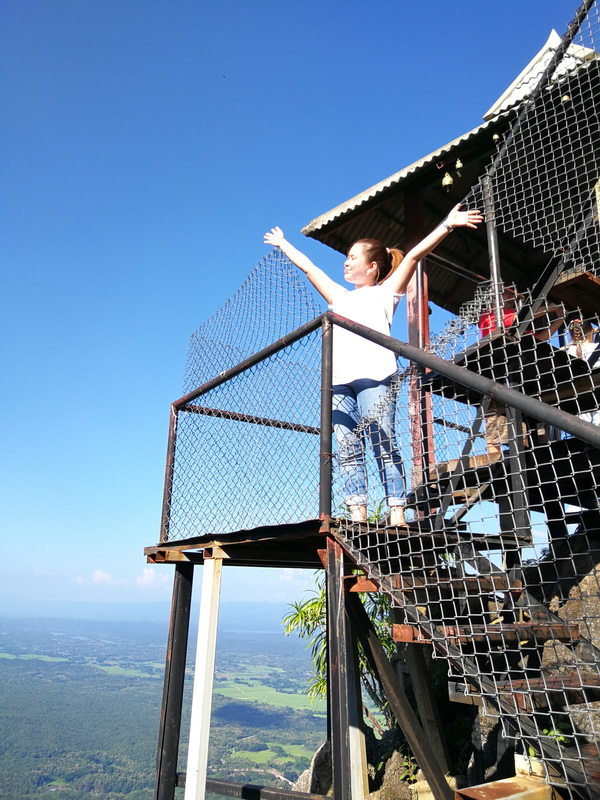
The strongest trekking experience in this area is not necessarily the longest or most difficult. It is the one that matches the visitor’s fitness, time, environmental awareness, and willingness to move carefully through inhabited landscapes. A walk combining forest, village surroundings, and open mountain views can offer greater variety than a route judged only by distance. Travelers should expect uneven surfaces and changing weather, and they should carry suitable water, sun protection, footwear, and rain protection without assuming that every need will be available locally.
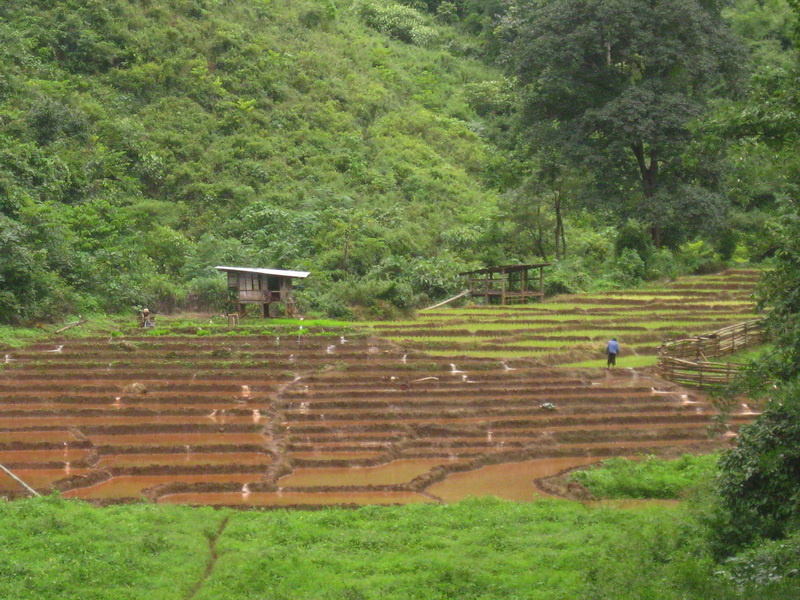
Local knowledge matters because paths can change and customary access may not be obvious to outsiders. Agricultural land, sacred places, water sources, and private compounds may all lie beside a walking route. Asking where to walk and where not to enter is part of responsible trekking, not an inconvenience. If a local guide or community representative is involved, listening to their instructions can protect the group and reduce disruption to residents.
Ethical trekking also means considering the impact of noise and waste. Avoid loud music, single-use litter, feeding animals, and shortcuts that damage slopes or crops. Do not collect forest products or disturb caves, streams, or wildlife. These practices preserve the qualities that draw people to the mountains while acknowledging that the landscape has value beyond recreation.
For a trekker, the reward is a layered understanding of place. Physical movement reveals changes in elevation and vegetation, while village encounters reveal how people inhabit the same terrain. That combination gives the Soppong area its particular character: the trail is not separate from culture, and culture is not separate from the land.
Nearby Attractions
Salawin National Park
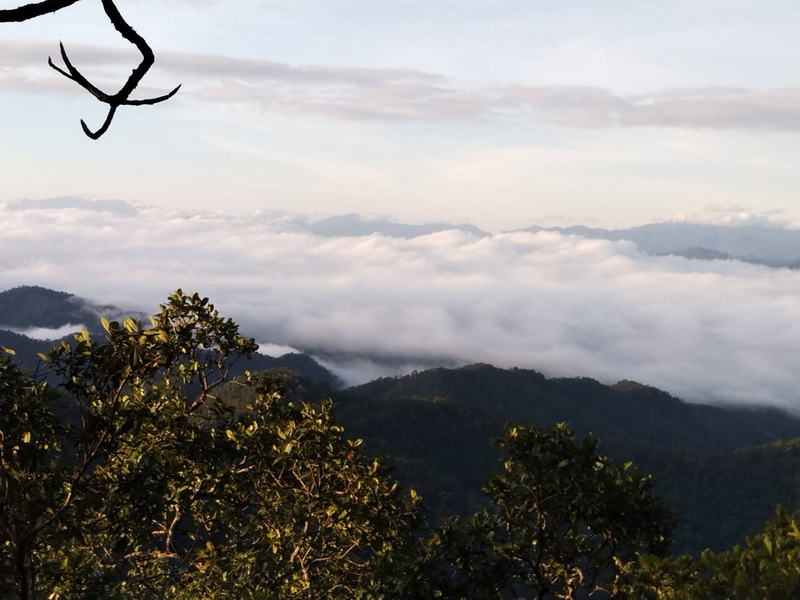
Salawin National Park represents the larger natural setting of western Mae Hong Son, where forested hills and the Salween River contribute to a remote borderland landscape. Its significance is ecological as well as geographic, with habitats shaped by rugged terrain and seasonal water flows. Travelers should treat the park as a protected environment by following current regulations, respecting restricted areas, and avoiding any activity that harms plants, wildlife, or local water sources.
The park adds perspective to a visit around Baan Huai Kung. Village life and trekking routes exist within a wider network of forests, rivers, and communities, so the natural landscape should not be viewed merely as scenery behind cultural encounters. A low-impact attitude helps protect the quiet qualities and environmental resources that make this region distinctive.
Wat Phra That Chom Mon
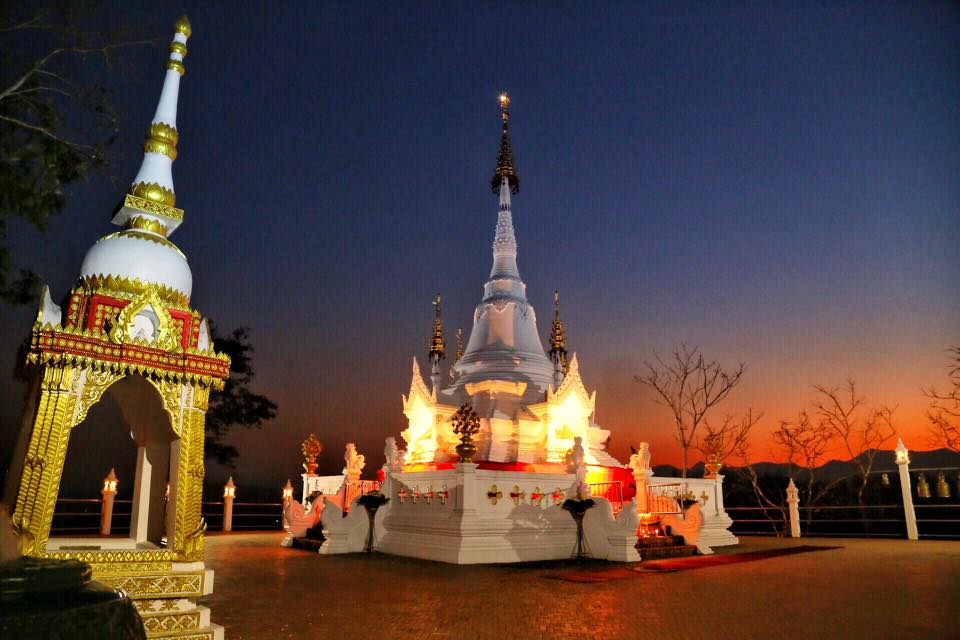
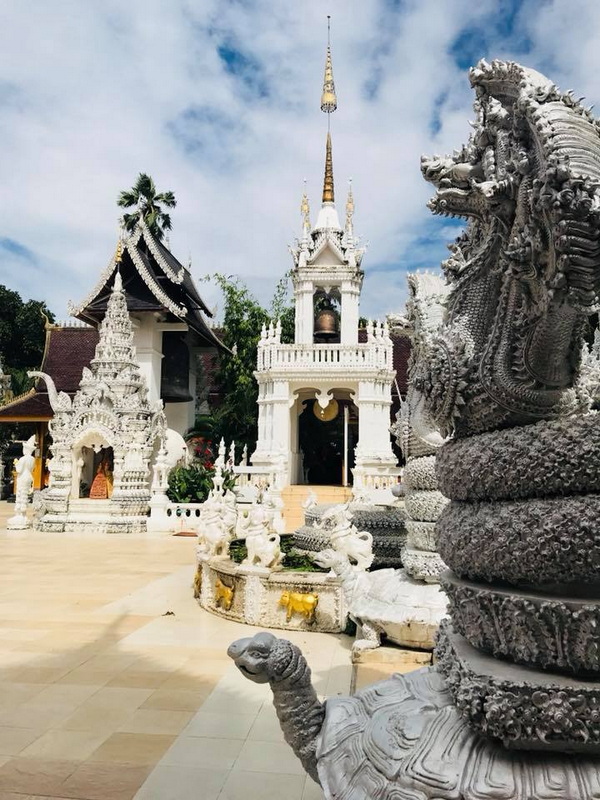
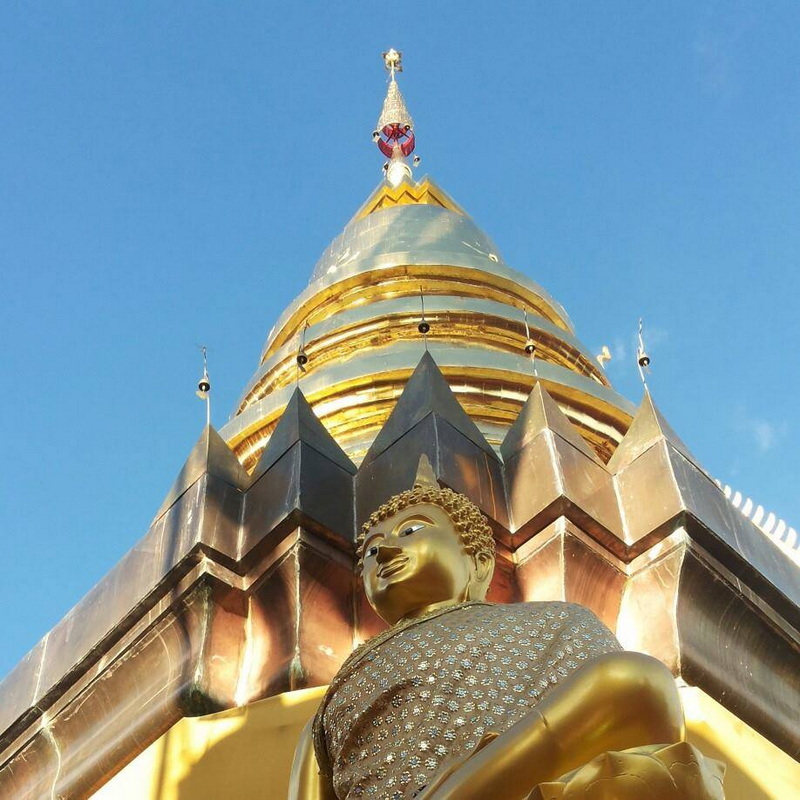
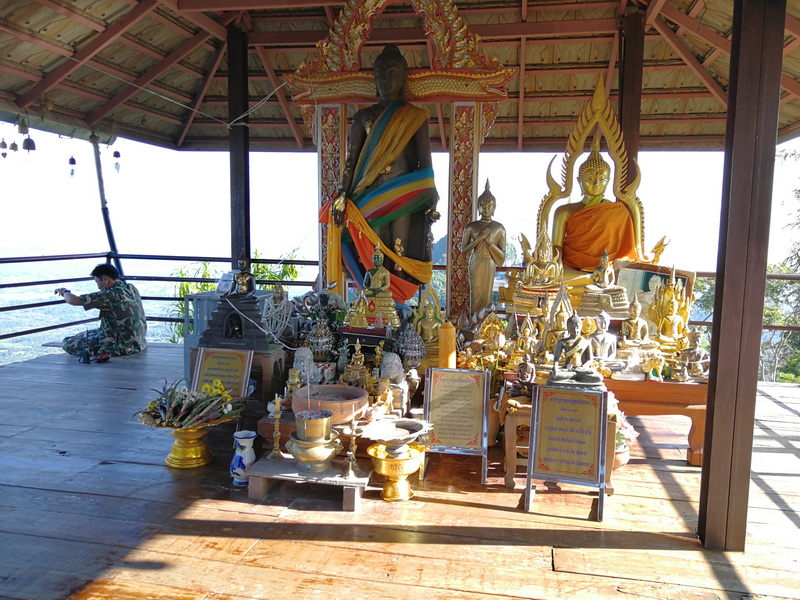
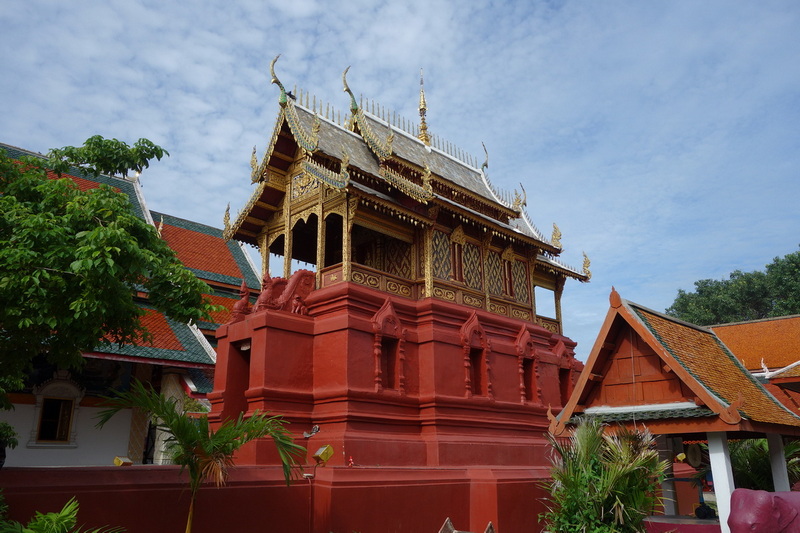
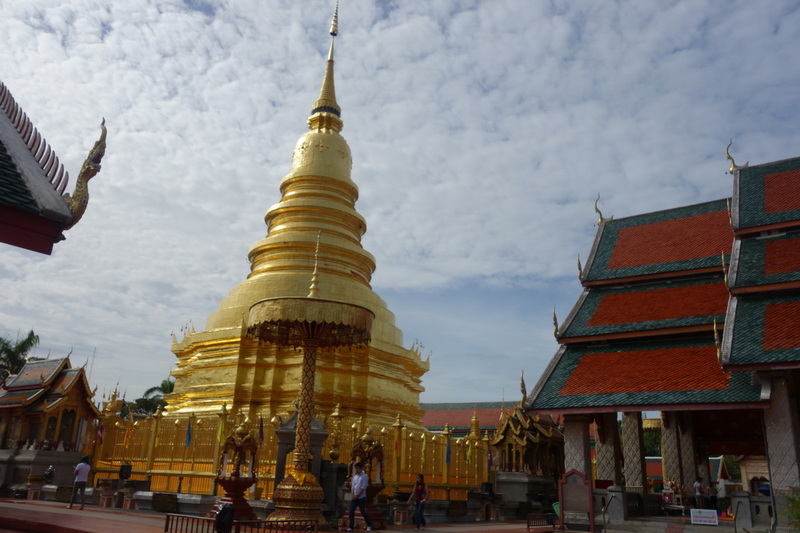
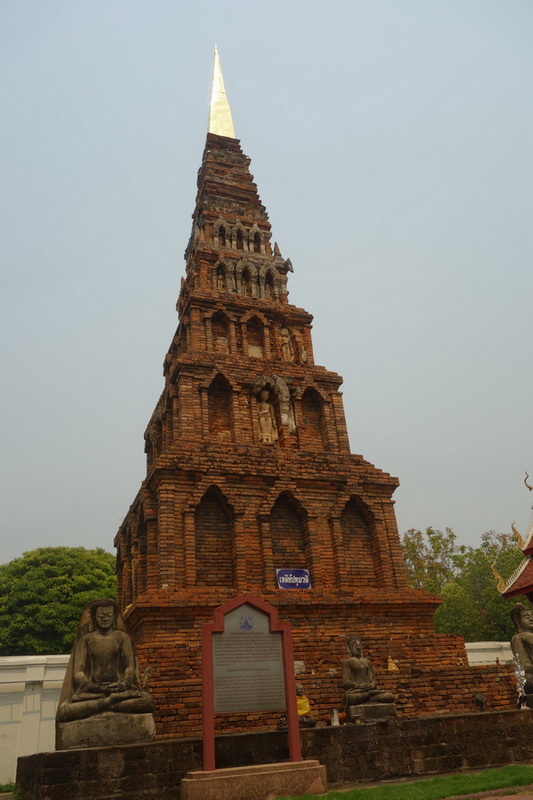
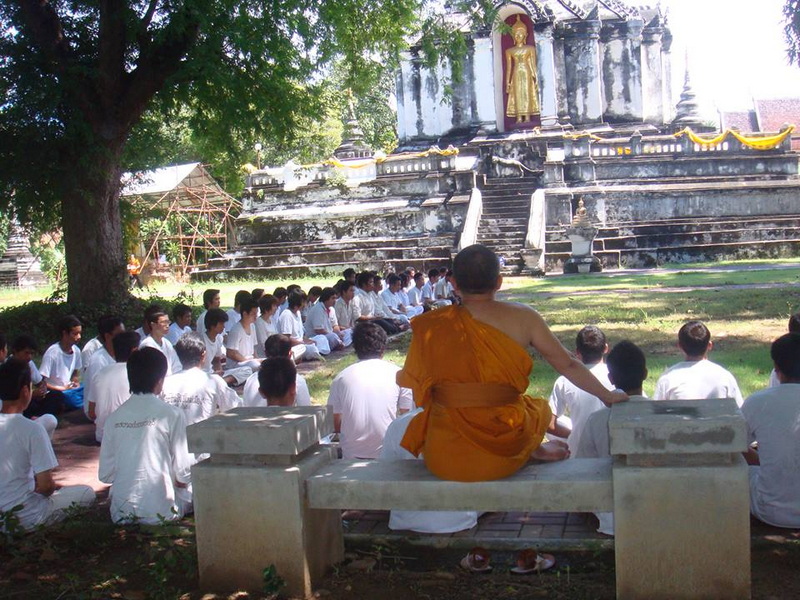
Wat Phra That Chom Mon offers a different dimension of the Mae Hong Son landscape through Buddhist religious heritage. A temple is a place of faith and local practice, so visitors should enter calmly, dress respectfully, and observe any requests concerning shoes, photography, or areas reserved for worship. Its significance is best appreciated through the atmosphere of devotion and the relationship between the temple and surrounding communities.
Including the temple alongside a village and a forest walk creates a broader picture of the region. Cultural understanding here is not limited to one ethnic identity or one type of attraction; it also includes the religious traditions, landscapes, and local routines that shape northern life. A quiet visit can complement the more active experience of trekking.
Looking Ahead to Your Visit
Baan Huai Kung is most meaningful when approached as part of a living cultural and environmental landscape. The Karen Longneck tradition deserves curiosity guided by consent, dignity, and attention to community voices, while the trails around Soppong reward patience and preparedness. By walking lightly, respecting local boundaries, and seeing forests, villages, temples, and livelihoods as connected, travelers gain more than a brief encounter. They gain a clearer understanding of why this corner of Mae Hong Son calls for both adventurous interest and careful consideration.