Sai Ngam Natural Mineral Spring on an Overland Journey from Chiang Mai
A practical road-planning guide for Pai, Mae Hong Son, and a relaxing mineral spring stop

An overland journey from Chiang Mai to Mae Hong Son is best planned as a route through changing landscapes rather than as a simple transfer between two towns. Mountain roads, viewpoints, villages, and nature stops give the journey its character, while Pai provides a useful base for exploring attractions in the surrounding district. One of the most appealing stops for travelers who enjoy quiet natural settings is Sai Ngam Natural Mineral Spring in Pai District, Mae Hong Son. This guide focuses on how to fit the spring into a longer road journey, what to expect on arrival, and how to combine it with nearby Santichon Village and Pai Walking Street. The aim is not to promise a fixed itinerary or describe unverified facilities, but to help first-time international visitors make sensible decisions about time, transport, clothing, and pacing. A private vehicle, driver-led journey, or carefully arranged group route can make the winding overland section easier to manage, especially when the spring is one part of a broader Maehongson travel plan.
Plan the Journey as a Scenic Road Route
The road from Chiang Mai toward Pai and Mae Hong Son is mountainous and winding, so the distance on a map does not fully describe the time or effort involved. Travelers should allow room for slower sections, comfort stops, and changes in weather. A route that looks compact in a navigation app may feel much longer when it includes bends, elevation changes, and several planned visits. This is why an overland tour can be more practical than trying to rush between destinations.
A Chiang Mai-based itinerary can be arranged in several ways. Some travelers make Pai an overnight stop before continuing farther into Mae Hong Son Province, while others build a longer loop with more time for villages and natural attractions. The right choice depends on whether the priority is reaching Mae Hong Son town, exploring Pai District, or enjoying the drive itself. Sai Ngam Mineral Spring works particularly well as a Pai-area stop because it can be considered alongside other local visits rather than treated as a distant standalone excursion.
When comparing transport options, look for clarity about the vehicle, driver arrangements, luggage space, planned stops, and the amount of time allocated to the spring. A private road journey offers flexibility for travelers who want to pause when conditions or energy levels change. A shared trip may follow a more structured route. In either case, confirm the day plan directly because opening conditions, road circumstances, and included visits can vary. The phrase Mae Hong Son Overland Tour From Chiang Mai describes a journey style, not one single standardized itinerary.
What to Expect at Sai Ngam Mineral Spring
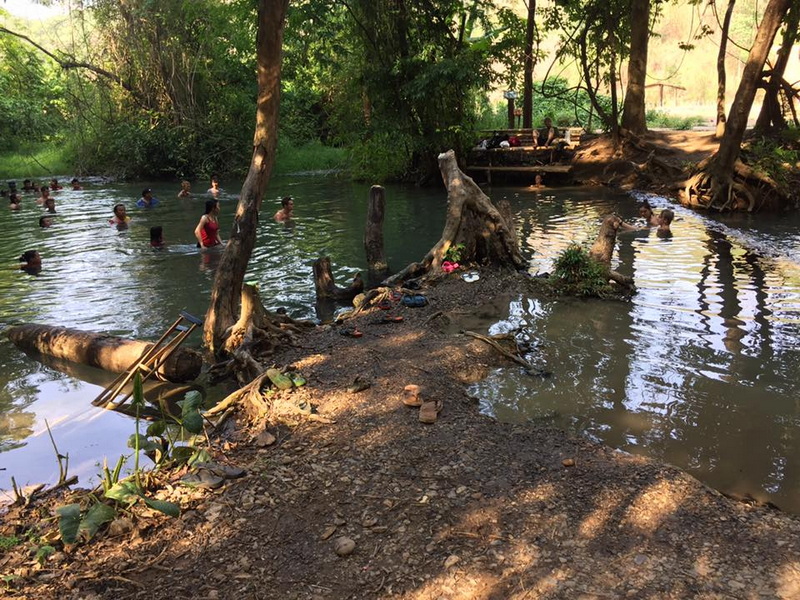
Sai Ngam Mineral Spring is a natural thermal attraction associated with warm mineral-rich water and a forested setting in Pai District. Visitors generally come for the atmosphere as much as for bathing: shaded surroundings, flowing water, and a chance to slow down after time on the road. The setting is more about a natural outdoor experience than a highly developed resort environment, so expectations should remain practical and respectful.
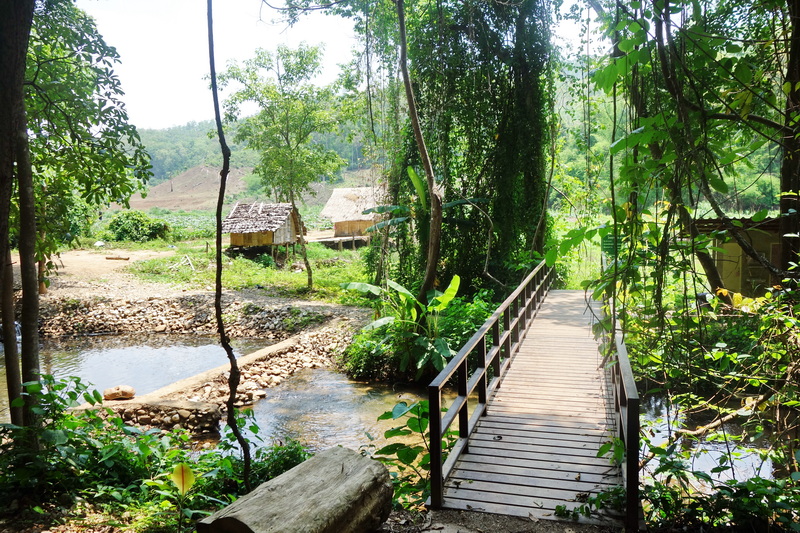
The water temperature can feel different from ordinary swimming water, particularly after walking or traveling in warm weather. Enter gradually, follow any local instructions, and leave the water if you feel uncomfortable. People with medical conditions, pregnancy concerns, or uncertainty about heat exposure should seek professional advice before using a hot spring. The spring should be appreciated as a natural attraction; it is not appropriate to make unverified claims that mineral water can treat illness or guarantee health benefits.
Visitors should bring modest swimwear, a towel, drinking water, sun protection, and a small waterproof bag for valuables. Shoes with a secure grip can be useful around damp ground, and a light change of clothing may make the onward journey more comfortable. Keep voices moderate, avoid using soaps or products in the water, and take rubbish away when bins are not available. These simple habits protect the setting and help preserve the experience for other visitors.
Before setting out, check current local access information through a reliable source or your transport provider. Conditions can change because of weather, roadwork, seasonal maintenance, or local operating decisions. Do not assume that a visit will always include changing rooms, food service, or a particular bathing area. Confirming practical details in advance allows the spring to remain a pleasant part of the journey rather than an unexpected source of delay.
Shape the Day Around Comfort and Timing
A useful way to plan the spring visit is to place it within a sequence of manageable stops. Start with the longest road section while the group is fresh, then schedule Sai Ngam as a slower nature break rather than squeezing it into the final minutes of a busy day. After bathing or walking around the site, allow time to dry off, change, and settle before continuing. This is especially important for travelers who are not accustomed to winding mountain roads.
Keep the schedule flexible enough to accommodate road conditions and different interests within the group. One person may want to spend time in the water, while another may prefer to remain outside and photograph the vegetation or relax in the shade. A driver or guide should know the intended return time and any later reservations, but the plan should not depend on an unrealistically short visit. Practical flexibility is one of the main benefits of arranging an overland route with private transport.
The drive itself deserves attention. Mountain scenery may be a central part of the experience, but passengers who are sensitive to motion should sit where movement is least noticeable, avoid heavy meals immediately before winding sections, and keep water available. Short breaks can make the route more comfortable. Travelers should also dress in layers because temperatures may feel different between Chiang Mai, Pai, shaded spring areas, and higher sections of the road.
A responsible plan also considers the character of the places visited. Avoid treating communities as staged stops or assuming that every local person wishes to be photographed. Ask permission before taking close portraits, follow signs and local guidance, and support businesses in an ordinary, respectful way when purchasing food or crafts. These choices help make the overland journey more considerate without turning local life into a performance for visitors.
Combine the Spring with Pai District Highlights
Sai Ngam Hot Spring can be paired with cultural and leisure stops around Pai District, but the sequence should be chosen according to geography, road conditions, and the availability of time. Rather than attempting to cover every attraction in one rushed day, select a small number of places that complement the spring. This creates a more comfortable rhythm: road travel, a natural stop, a cultural visit, and an evening walk or meal.
Santichon Village offers a different context from the mineral spring. It is a community-oriented visitor site where travelers may encounter food, buildings, and cultural displays connected with the area’s Chinese heritage. Descriptions should remain factual and respectful, since the village is not simply a backdrop for photographs. Visitors can observe, ask questions appropriately, and purchase locally offered goods or refreshments without making assumptions about community identity or daily life.
Pai Walking Street provides an evening contrast to the quiet surroundings of Sai Ngam. Depending on the day and current local arrangements, the area is associated with pedestrian browsing, food, small shops, and a lively social atmosphere. It is a good place to experience Pai’s visitor culture at a relaxed pace, but travelers should allow for crowds and keep personal belongings secure. Market conditions and vendor selection can change, so it is better to treat the street as a flexible stop than as a guaranteed fixed program.
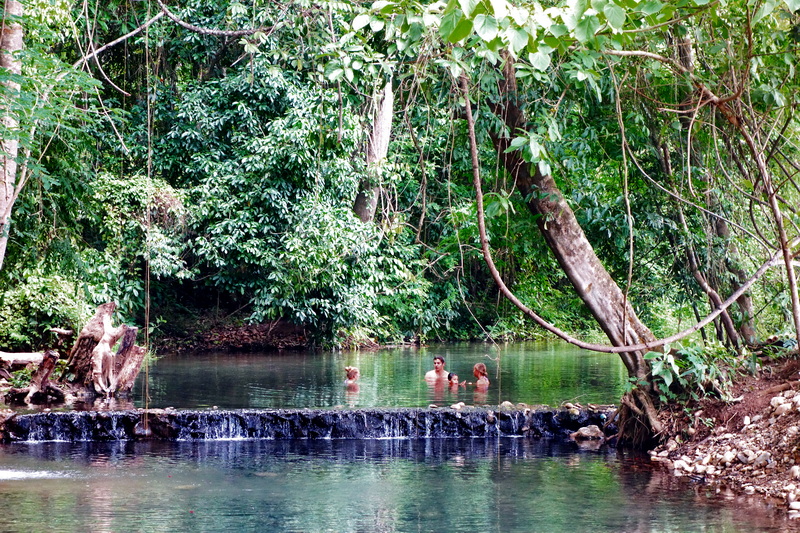
Together, these stops can give an overland itinerary three distinct qualities: natural relaxation at the spring, cultural context at Santichon Village, and an informal town atmosphere at Pai Walking Street. The combination works best when the route does not become a checklist. Leave enough time to notice the setting, respect local spaces, and adjust the pace to the people traveling with you.
Select an Overland Option That Fits Your Group
For first-time visitors, the most important decision is not choosing the longest list of stops but choosing a journey structure that matches the group’s comfort level. A private vehicle with a driver can reduce the stress of navigating unfamiliar mountain roads and make it easier to adapt the timing around Sai Ngam. Travelers who prefer independence may choose to drive themselves, but they should be confident with winding roads, local traffic patterns, navigation, and the responsibility of staying alert throughout the route.
A guided overland journey may be useful when travelers want background information about Mae Hong Son Province as well as help with logistics. Ask whether the guide accompanies visitors at the attraction, how long the stop is expected to last, and which services are included. For any arrangement, keep important documents, medication, and essential personal items accessible rather than buried in luggage. Offline maps and a charged phone are sensible precautions in areas where connectivity may vary.
The spring is not necessarily suitable for every traveler. People who dislike hot water, have limited mobility on uneven ground, or prefer a tightly scheduled sightseeing day may enjoy other parts of the route more. Families and mixed-age groups should discuss bathing preferences in advance and supervise children closely around warm water. A good itinerary gives people permission to participate at their own pace rather than making the natural attraction the sole measure of a successful day.
Nearby Attractions
Santichon Village
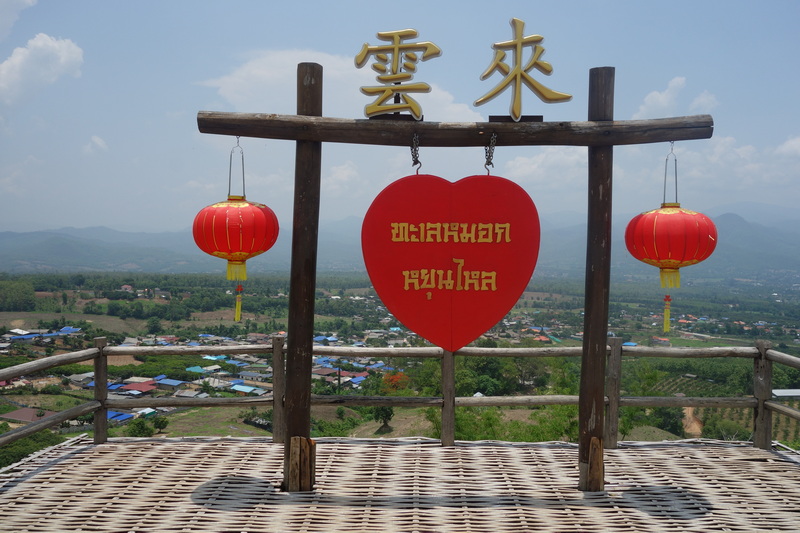
Santichon Village is a useful cultural complement to a visit at Sai Ngam because it shifts the focus from natural scenery to community history and local presentation. Travelers can explore respectfully, observe the visitor areas, and consider how food, architecture, and small-scale commerce are presented. Ask before photographing people, and avoid reducing the community to a stereotype. Its value in an overland itinerary comes from adding context to the Pai area rather than serving only as a quick photo stop.
Pai Walking Street
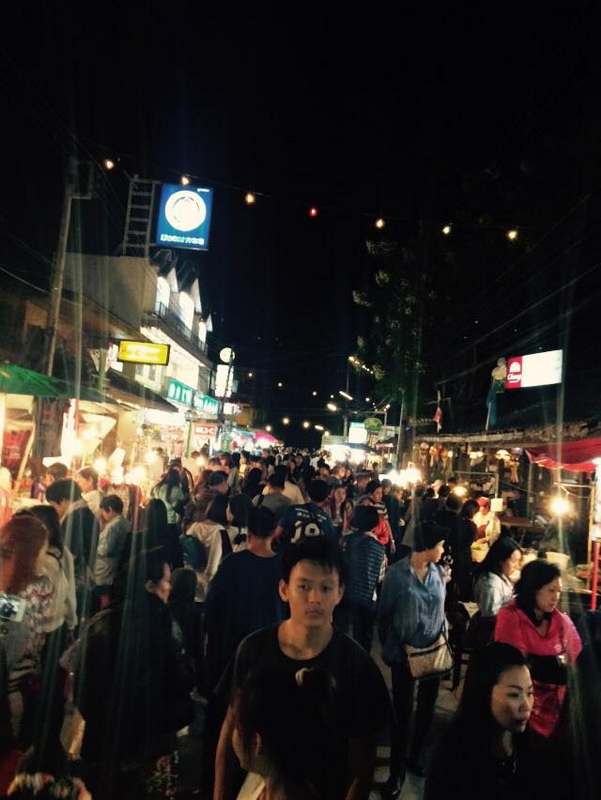
Pai Walking Street offers a more active setting after a quiet spring visit. The pedestrian area is associated with evening food, shopping, and casual browsing, making it suitable for travelers who want to experience Pai’s social side without committing to a formal activity. Visit with an open schedule because the atmosphere and vendor mix can vary. Keep valuables secure, respect residents and stallholders, and allow enough time to return to your accommodation or vehicle safely.
Looking Ahead to Your Visit
A visit to Sai Ngam Natural Mineral Spring is most rewarding when it is planned as one thoughtful section of a broader overland journey. Allow realistic time for the mountain road, confirm current access details, bring practical clothing, and treat the spring as a natural setting rather than a place for exaggerated health promises. Pairing it with Santichon Village and Pai Walking Street adds cultural and local-town perspectives without forcing too many stops into one day. With a flexible route and respectful approach, the journey from Chiang Mai can feel measured, comfortable, and genuinely connected to the landscapes of Maehongson.
