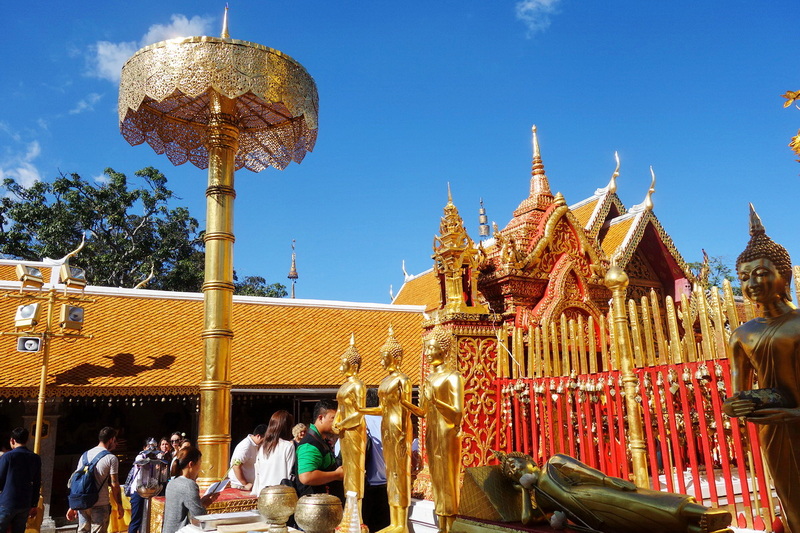
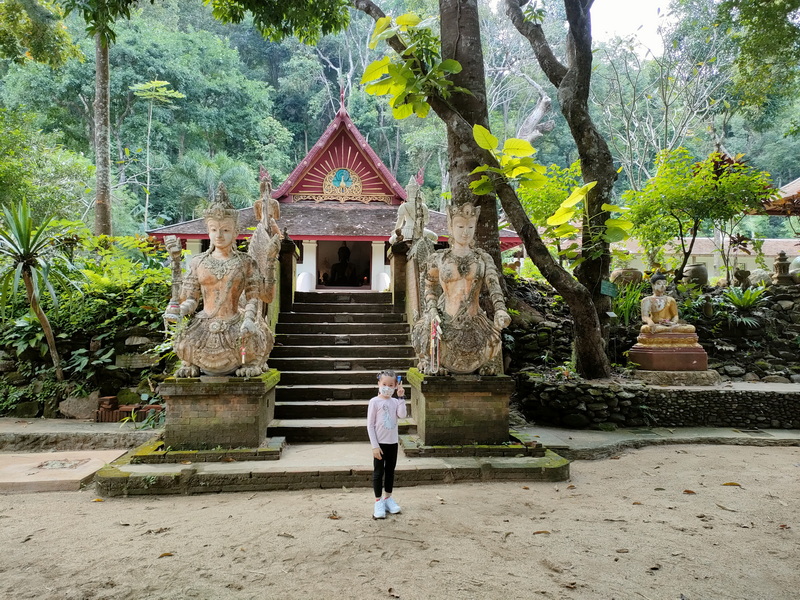
Mae Hong Son Overland Tours Featuring Kam Ko Temple
A practical route-planning perspective for travelers combining Wat Kam Ko with Mae Hong Son’s central temple landmarks
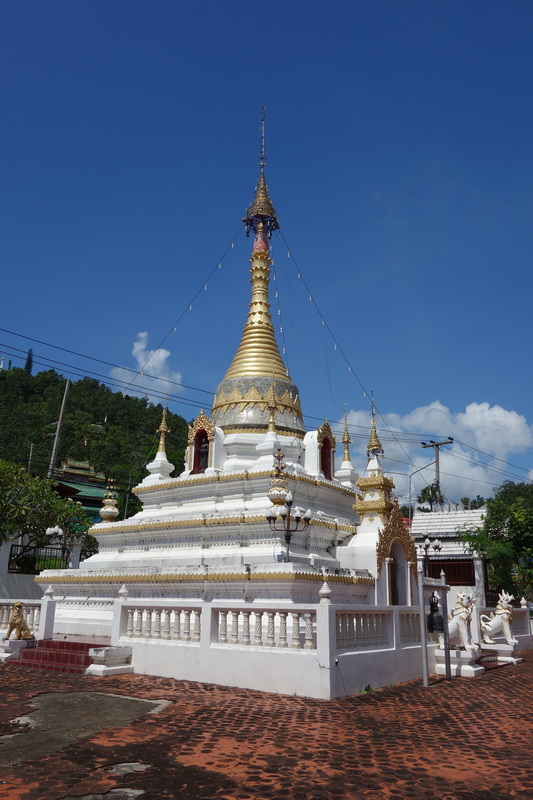
Wat Kam Ko offers an unhurried cultural stop for travelers entering Mae Hong Son by road. Rather than treating the temple as an isolated photo stop, an overland journey gives it a useful place within the wider pattern of the town: mountain roads lead into a compact provincial center where temples, local neighborhoods, and viewpoints can be considered at a manageable pace. For road-trip travelers, the value of Kam Ko Temple lies in how easily it can support a broader day of cultural exploration. Its setting in Mueang Mae Hong Son District makes it relevant to visitors following routes from Chiang Mai, whether they travel independently or compare organized itineraries. The temple should be approached as a sacred place first, with quiet observation and appropriate clothing taking priority over a hurried checklist. This guide explains how to think about Wat Kam Ko on an overland route, what nearby landmarks add to the visit, and how common tour-search wording relates to actual planning. It does not assume a fixed schedule or package design. Instead, it focuses on route logic, realistic questions, and respectful ways to experience Maehongson while allowing time for the landscape and local setting.
Why Wat Kam Ko Fits an Overland Journey
Mae Hong Son is reached through a mountainous region where travel by road is part of the experience. The journey from Chiang Mai can involve winding routes, changing elevations, and substantial time in transit, so a multi-stop overland plan is usually more practical than trying to reduce the province to a quick urban visit. In that context, Wat Kam Ko provides a calm cultural point once travelers are exploring Mueang Mae Hong Son rather than simply passing through.
A visit to Wat Kam Ko can help balance the rhythm of a road trip. Scenic travel often attracts attention to bends, valleys, and mountain viewpoints, but a temple stop offers a different kind of pause. Visitors can slow down, observe the architecture, notice details associated with northern and Tai cultural traditions, and consider the continuing religious role of the site. The experience is less about completing an attraction list and more about understanding the character of the town.
For an overland itinerary, practical sequencing matters. Travelers may prefer to place the temple visit alongside other central Mae Hong Son sights instead of creating a separate long detour. Exact access conditions, opening practices, and local activities can change, so drivers and tour planners should confirm current details before departure. Allowing flexible time is particularly useful when road conditions or sightseeing stops affect the day.
Reading the Setting at Kam Ko Temple
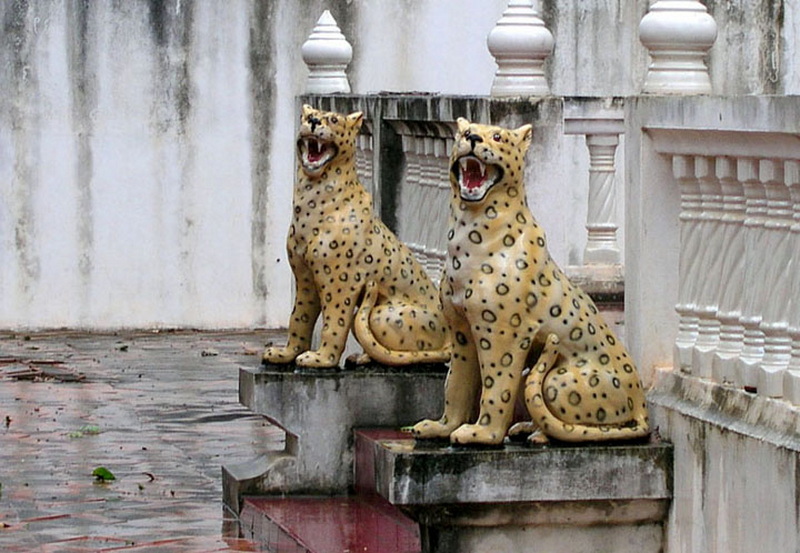
Wat Kam Ko, also written as Wat Kamko or Wat Kam Ko, is best understood through attentive observation. Temple grounds may include religious buildings, decorative elements, images, and spaces used for worship, but not every feature should be treated as a visitor display. A respectful traveler watches how local worshippers use the site and avoids interrupting prayer, ceremonies, or quiet personal moments.
The temple’s cultural interest is closely connected to Mae Hong Son’s regional identity. The province has long reflected connections among northern Thai, Shan, and neighboring highland communities, and religious architecture in the town can help visitors recognize that the area has its own visual and historical character. It is safer to describe these influences with care than to assign a single label to every building or decoration. A local guide can add context where interpretation is uncertain.
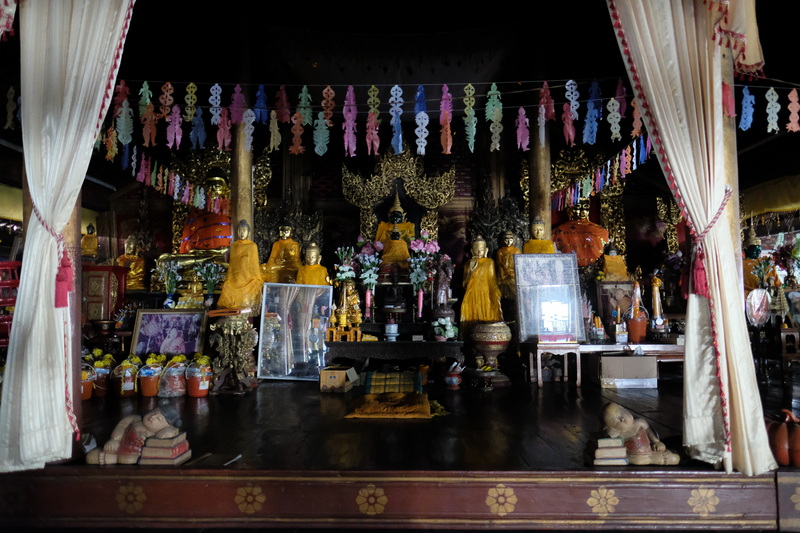
Dress should cover shoulders and knees where appropriate, and footwear rules should be followed at buildings that require shoes to be removed. Photography is best kept discreet, especially around people and sacred images. Visitors should not climb architectural features, pose disrespectfully, or assume that an open courtyard permits unrestricted access. These small choices make a meaningful difference when visiting Wat Kam Ko Thailand as part of a cultural route.
How to Interpret Overland Tour Search Terms
People searching for a Mae Hong Son Overland Tour From Chiang Mai may be looking for several different travel styles. The phrase can describe a private vehicle journey, a small-group road itinerary, a driver-supported route, or a longer circuit that includes other northern destinations. It does not, by itself, confirm the number of days, vehicle type, guide service, hotel arrangements, or attractions included.
A useful first question is whether the itinerary is designed around the road journey or simply uses road transport between fixed destinations. Overland-focused travelers may value scenic pauses, flexible time in Mae Hong Son, and a route that does not rush through the town. Others may prioritize a broader loop. Asking how much time is allocated to Wat Kam Ko and whether temple visits are guided can reveal more than a package title.
Travelers should also check the practical shape of the route: the expected driving duration, road segments, rest stops, accommodation area, luggage arrangements, and contingency planning for weather or delays. These details are especially important in mountain regions. If a listing uses terms such as Mae Hong Son Overland Tour From Chiang Mai, Mae Hong Son loop, or road trip, treat those phrases as starting points for questions rather than guarantees of a particular experience.
Independent visitors can apply the same logic without booking a package. Mark Wat Kam Ko as one cultural stop within a town-based exploration day, then leave room for meals, navigation, rest, and unplanned observations. A road journey is more comfortable when the itinerary recognizes that driving fatigue and mountain conditions may affect the pace.
Building a Comfortable Mae Hong Son Visit
An effective overland day usually benefits from a clear regional order. After arriving in the town area, travelers can focus on central cultural landmarks before considering farther-out activities. This reduces unnecessary backtracking and gives the visit a coherent progression from arrival and orientation to temple observation and evening rest. The exact order should remain adaptable because traffic, weather, and road fatigue are not always predictable.
.JPG "Mae Hong Son Travel Photograph")
Wat Kam Ko works particularly well for travelers who prefer depth over speed. A short visit may be enough for someone following a tight route, while a culture-focused traveler may want time to read signs, observe architectural details, and listen to a guide’s explanation. Neither approach needs to be presented as the only correct one. The important point is to avoid entering the temple with expectations formed only by promotional photographs.
The wider town setting also deserves consideration. Mae Hong Son is not merely a stop between Chiang Mai and another destination; it is a provincial center with living communities and active religious spaces. Keep voices low, avoid blocking entrances, and ask before photographing people. Supporting local businesses respectfully and following site-specific instructions can make an overland visit feel connected to place rather than detached from it.
A Simple Planning Checklist
Before leaving Chiang Mai, confirm the broad route, expected driving demands, and the amount of time available in Mae Hong Son. If traveling with a driver or guide, explain that Wat Kam Ko is a priority and ask how it fits with other town landmarks. If traveling independently, download or carry essential navigation information in advance, while still checking local conditions rather than relying on an old itinerary.
Pack modest clothing suitable for temple visits, comfortable walking shoes, water, sun protection, and a light layer for changing mountain conditions. Keep valuable items secure and carry only what is needed inside temple grounds. Visitors should also remember that facilities and operating practices may not match those of major tourist complexes, so patience and preparation are useful.
Finally, keep the schedule spacious enough to respond to the journey. A road trip to Mae Hong Son is not only a transfer between two points. The approach, the changing landscape, and the gradual arrival in town are part of the regional experience. Treating Wat Kamko as one meaningful stop within that progression creates a more realistic and respectful plan.
Nearby Attractions
Wat Phra That Doi Kong Mu
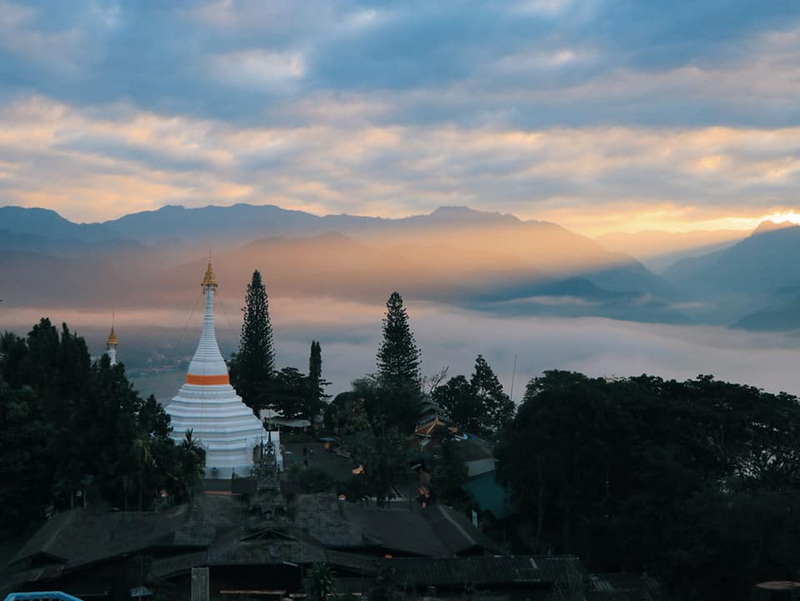
Wat Phra That Doi Kong Mu stands on a hill above Mae Hong Son and is one of the town’s most recognizable religious landmarks. Its elevated setting gives visitors a broader view of the surrounding basin and helps explain the town’s relationship with the mountain landscape. The site is also associated with distinctive northern and Shan-influenced religious character, making it a useful complement to the quieter, more close-range observation possible at Wat Kam Ko.
For overland travelers, the hilltop location creates a different rhythm from a temple in the town area. The visit involves a change in elevation and may be better suited to a period when the weather and energy levels are comfortable. Visitors should follow local instructions, behave respectfully around shrines, and allow time to appreciate the view without turning the religious setting into only a viewpoint.
Wat Chong Kham and Wat Chong Klang
.JPG "Wat Chong Kham and Wat Chong Klang Travel Photograph")
Wat Chong Kham and Wat Chong Klang are paired temple landmarks beside the lake in central Mae Hong Son. Their proximity makes them especially practical for travelers building a town-based cultural route, while the lakeside setting gives the visit a distinct atmosphere from hilltop Wat Phra That Doi Kong Mu and Wat Kam Ko. The compounds are associated with the Shan cultural character that is visible in much of Mae Hong Son’s religious heritage.
Together, these temples help travelers see variation within the town’s sacred landscape. Architecture, decorative details, and the relationship between the buildings and surrounding public space can be observed at a considered pace. As with Wat Kam Ko, visitors should dress appropriately, respect worshippers, and check current local guidance before entering particular buildings or taking photographs.
Looking Ahead to Your Visit
Wat Kam Ko becomes most rewarding when it is given a sensible place within the journey rather than treated as a rushed stop. An overland route from Chiang Mai can connect the temple with Mae Hong Son’s hilltop and lakeside landmarks while leaving room for changing road conditions and quiet observation. When comparing itineraries, look beyond package names and ask practical questions about time, transport, guidance, and flexibility. With respectful behavior and a realistic pace, Kam Ko Temple offers a grounded introduction to the cultural setting of Maehongson.