Local Day Tours Along Old Rubber Tree Road
A thoughtful route through Saraphi, southern Chiang Mai, and nearby cultural highlights
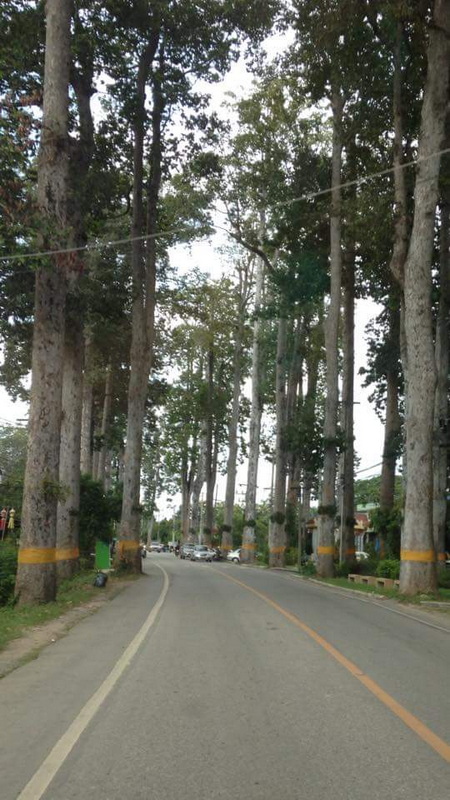
A day around Old Rubber Tree Road is best understood as a journey through the landscape between Chiang Mai and Lamphun, rather than as a single ticketed attraction. The route passes through Saraphi District and toward Mueang Lamphun District, where broad roads, mature trees, neighbourhood communities, and historic places create a slower alternative to the city’s busiest sightseeing circuits. For visitors interested in Chiang Mai Local Attractions, this area offers a useful change of pace. The road can be included in a locally focused outing that combines gentle observation with cultural sightseeing, without trying to turn every stop into a rushed checklist. The most rewarding approach is to allow time for the scenery, notice how people use the surrounding spaces, and choose only a few complementary attractions. This guide focuses on planning rather than fixed packages or unverified schedules. It explains how to shape a day tour, where nearby Wiang Kum Kam and Art in Paradise Chiang Mai may fit, and how to visit respectfully. The result can suit independent travelers, small groups, and anyone seeking a more grounded view of the area south of central Chiang Mai.
Read the Road as a Living Landscape
The Rubber Tree Road is known for its line of mature rubber trees and its connection between the Chiang Mai and Lamphun areas. Its appeal lies in the character of the route: shade, repeating trunks, changing light, and glimpses of everyday life along a corridor that is also part of a functioning local community. It is not necessary to treat the road as a dramatic monument. Its value comes from its atmosphere and from the way it connects a visitor with the broader countryside.
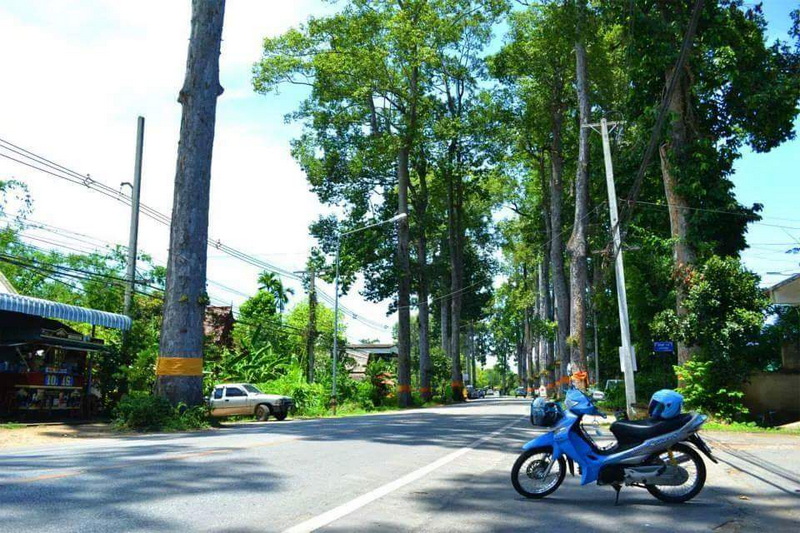
The name Saraphi Old Rubber Tree Road is useful when planning because it points toward the Saraphi side of the route, while Rubber Tree Road Chiang Mai-Lamphun describes the wider regional connection. Visitors may encounter different English names in travel information, so checking the intended route and map location before leaving is sensible. The important point is to avoid assuming that the entire road is one formal attraction with a single entrance or visitor facility.
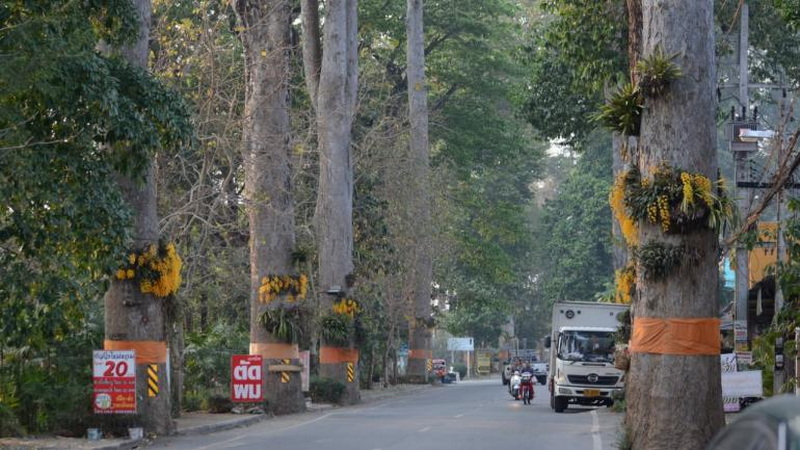
A good first activity is simply to observe. Look at how the trees shape the road, how the scene changes between built-up and greener sections, and how local movement continues around it. Photography can be enjoyable, but it should not take priority over safety or privacy. Pulling over only where it is permitted, avoiding road obstruction, and asking before photographing people or private property are small choices that make the visit more considerate.
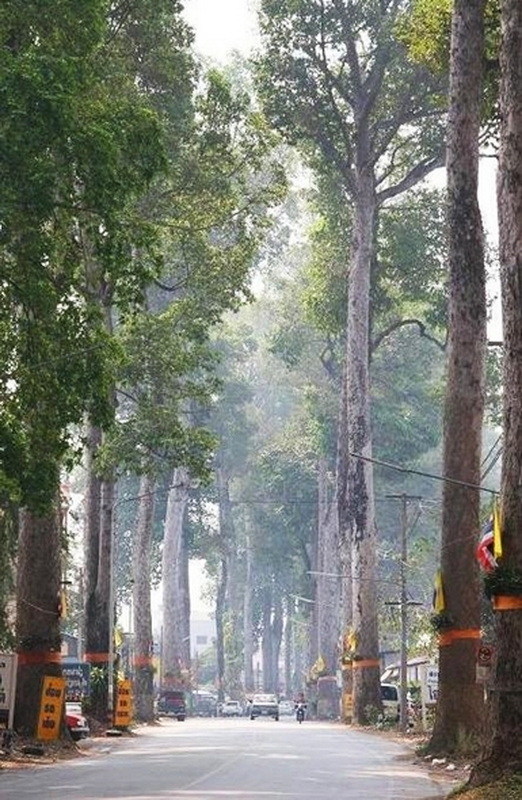
This is also a place where expectations matter. Travelers seeking shows, extensive interpretation, or a large collection of facilities may find the experience understated. Those who appreciate a scenic passage, local context, and an unhurried stop are more likely to value it. Treating the road as part of a wider day tour makes planning easier and avoids placing unrealistic demands on a community setting.
Two Complementary Stops for a Fuller Day
Once the road has established a slower, landscape-focused beginning, nearby attractions can add history or creative energy without changing the day’s local emphasis. These two options offer distinctly different experiences, so select them according to the interests and pace of the group.
Wiang Kum kam
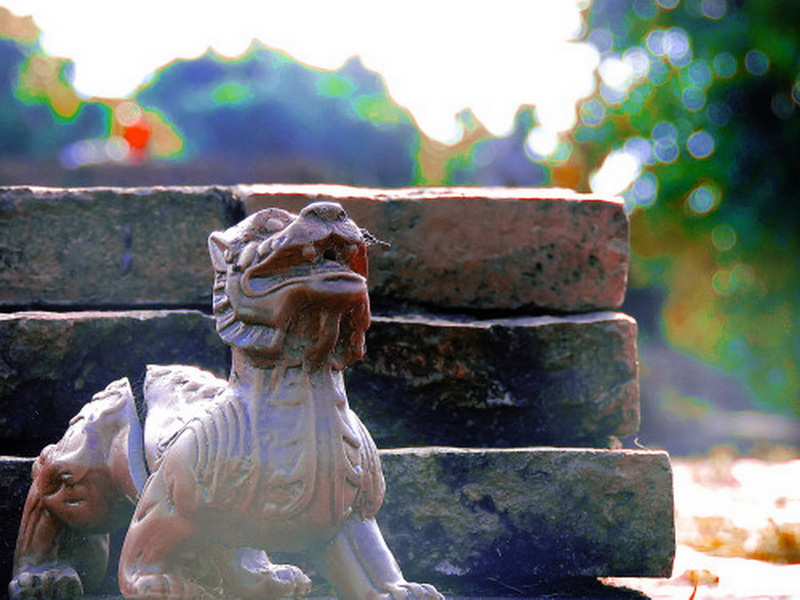
Wiang Kum Kam is a natural companion for a road-based day because it adds historical context to the landscape south of central Chiang Mai. The former city area is associated with archaeological remains and religious sites, offering visitors a way to think about settlement, waterways, and the region’s long history. Its appeal is different from the tree-lined road: instead of a continuous scenic corridor, it provides identifiable heritage points within a wider historical area.
When combining Wiang Kum Kam with the road, keep the schedule manageable and allow time to understand each place. A guide can help explain the significance of the remains, while visitors should follow access rules and treat religious structures with appropriate respect. The pairing works best when the road supplies a calm landscape experience and Wiang Kum Kam provides a more explicit historical focus.
Art in Paradise Chiang Mai
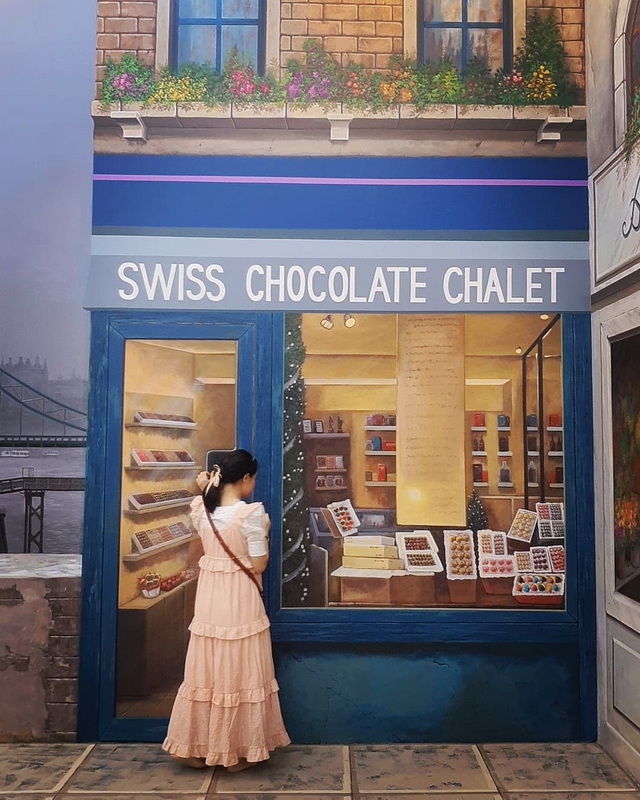
Art in Paradise Chiang Mai offers a contrasting stop centred on interactive visual art. Its indoor setting can provide a change from outdoor road sightseeing and may appeal to groups who enjoy taking photographs with imaginative scenes. Because the experience is participatory, visitors can approach it as a playful creative break rather than as a conventional museum visit.
Its inclusion in the same day should be based on the group’s interests and the practical route, not on a need to collect as many attractions as possible. The contrast between the quiet, mature trees of the road and the staged visual environment of an art attraction can make the day feel varied. Confirm current visitor information before planning, since operating arrangements may change.
Build a Day Tour Around One Clear Theme
A practical Chiang Mai Day Tour featuring the road should begin with a simple theme. For example, a cultural landscape day can connect the tree-lined route with historic remains and visual arts, while a slower local sightseeing day can give more time to looking, photographing responsibly, and stopping for food or refreshments according to the group’s needs. Choosing a theme prevents the itinerary from becoming a long list of unrelated places.
The route works particularly well for travelers who have already visited central Chiang Mai and want to understand the city’s southern setting. It can also suit a short-stay visitor who wants an outing with a different rhythm from temple-hopping in the old city. Because conditions on local roads and at individual sites can change, it is wise to confirm current access, opening information, and road conditions before setting out rather than relying on assumptions.
When arranging a day, allow flexibility instead of promising an exact sequence. A road-based outing can take longer than expected when a group wants to pause, when traffic changes, or when weather affects comfort. A local guide or driver familiar with the area may help with navigation and context, but the quality of the day should be measured by clear communication and respectful pacing, not by the number of stops completed.
Plan for Comfort Without Overplanning
The best time for a road-focused visit depends on comfort, light, and the wider route. Earlier or later parts of the day may feel more pleasant than the strongest midday heat, although travelers should check local conditions and make their own timing decisions. Light clothing, sun protection, drinking water, and comfortable footwear are useful for almost any outdoor sightseeing plan. If rain is possible, a compact layer can make the day easier without adding much to a day bag.
Do not assume that every section is designed for walking or that roadside stopping is automatically safe. Some parts may function primarily as active local roads. Before leaving a vehicle, identify a suitable place away from traffic and follow local restrictions. Children should remain close to adults, and cyclists or pedestrians should be especially alert around moving vehicles. These practical details are more important than finding a perfect photograph.
A flexible plan should also include time for unplanned pauses. The road’s visual appeal can be lost if visitors move too quickly from one landmark to another. At the same time, lingering in front of homes, businesses, or working areas can feel intrusive. Keep observation brief and discreet, and remember that the surroundings are lived-in rather than staged for tourism.
For travelers using a Chiang Mai Day Tour service, discuss the purpose of the outing before departure. Explain whether the priority is landscape, local history, photography, or combining the road with nearby attractions. This helps the day remain focused. It is also reasonable to ask whether the proposed stops are currently accessible and whether the route allows safe, lawful opportunities to pause.
Travel With Attention to Place and People
Responsible sightseeing on Saraphi Old Rubber Tree Road begins with recognising that the road belongs to local residents as much as it belongs in travel planning. Keep noise low, do not touch trees or roadside property, and avoid leaving rubbish. If a small local business or food vendor is visited, behave as a guest rather than treating the interaction as a performance. Patience and basic courtesy often matter more than elaborate cultural explanations.
The surrounding area may include religious and historic spaces, so clothing and conduct should be appropriate when a day tour continues to a temple or heritage site. Follow posted guidance, remove shoes where requested, and avoid entering restricted areas. Visitors should not assume that a quiet setting is an invitation to wander everywhere. Asking permission is a useful habit, especially when a place appears connected to worship, community use, or private life.
A thoughtful itinerary can support local economies without turning the route into a shopping mission. Choose locally run services where they are suitable, pay attention to stated rules, and remember that not every meaningful stop needs a purchase. The strongest local experience may simply be learning how a road, a historic settlement, and a modern city region fit together.
By approaching the area with curiosity rather than entitlement, travelers gain a more accurate sense of southern Chiang Mai. The road becomes a connector: between urban and rural views, between Chiang Mai and Lamphun, and between well-known attractions and quieter community spaces. That perspective is what makes this outing distinctive.
Let the Route Set the Pace
Old Rubber Tree Road is most rewarding when included in a carefully balanced local outing rather than treated as a quick photo stop. Pair its shaded landscape and community setting with one or two suitable attractions, leave room for changing conditions, and approach every roadside and cultural space with respect. Whether the day includes historic Wiang Kum Kam, creative Art in Paradise Chiang Mai, or simply a quiet journey between Chiang Mai and Lamphun, thoughtful planning will help the route feel connected and meaningful.
