Wat Chalermprakiat and the Cultural Landscape of Northern Thailand
A thoughtful Lampang visit combining mountain temple scenery, local culture, and carefully planned regional travel
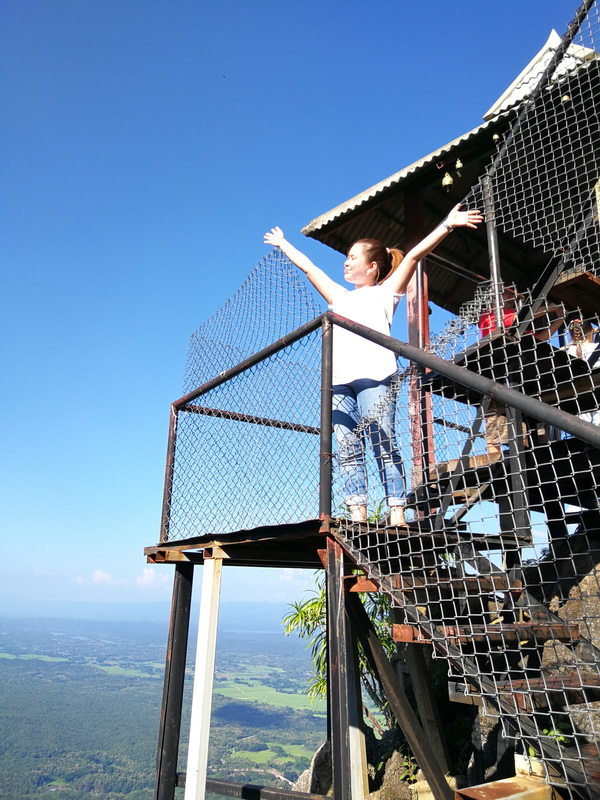
In Chae Hom District, Lampang, Wat Chalermprakiat rises above a forested landscape in a way that makes the journey feel closely connected to the setting. Often searched under names such as Wat Chaloem Phra Kiat Phrachomklao Rachanusorn, Wat Chaloemprakiat, and Chaloemprakiat Temple Lampang, the site is known for its striking white structures and elevated viewpoints. Yet its appeal is not only visual. It is also a living religious place where visitors are expected to move with care and respect. For travelers comparing Important Temples in The North of Thailand, this temple offers a different experience from a city monastery or a historic walled-town shrine. The mountain environment, the climb, and the relationship between built spaces and the surrounding forest all shape the visit. It also fits naturally into a wider Lampang itinerary from Chiang Mai, especially for people researching Chiang Mai Package Tours that combine cultural sites with nearby experiences rather than treating the temple as an isolated photo stop. The most useful way to understand the destination is location first: arrive prepared for a rural mountain setting, allow time for the access process, and then consider how the temple’s religious meaning and nearby attractions complete the day.
A Temple Shaped by Its Mountain Setting
Wat Chaloem Phra Kiat is located in Lampang Province’s Chae Hom District, north of Lampang town. Its best-known feature is a collection of white pagodas and religious structures positioned on high rocky points above the forest. From suitable viewpoints, the buildings appear to extend across the ridgeline, while the lower temple area is set within a quieter natural environment. This arrangement gives the visit a strong sense of vertical movement: the road leads toward the mountain, the access route continues upward, and the landscape gradually opens into broad views.
The elevated structures should not be understood simply as decorative additions to the scenery. They belong to a religious complex associated with devotion, merit-making, and remembrance. The full name, Wat Chaloem Phra Kiat Phrachomklao Rachanusorn, refers to the temple’s connection with the commemoration of King Mongkut, Rama IV. As with many Thai temples, the site brings together religious practice, local support, architecture, and regional identity.
Visitors may encounter different English spellings when researching the destination. Wat Chaloemprakiat Lampang, Chaloem Phra Kiat Temple, Chaloemprakiat Temple, and Chaloem Phra Kiat Temple Lampang generally point to the same well-known destination. Checking several spellings can be useful when comparing maps, tour descriptions, or transport information, but the place itself is best approached as an active temple rather than only as a landmark.
Why It Belongs in a Northern Temple Conversation
Northern Thailand’s temple landscape includes old city monasteries, teak-influenced religious architecture, forest meditation settings, and newer places of devotion. Wat Chalermprakiat belongs to the last two categories in a distinctive way. Its contemporary development does not erase the importance of Buddhist practice; instead, it shows how religious places can continue to gain meaning through community effort, pilgrimage, and careful stewardship of a natural setting.
The temple’s visual drama can attract attention quickly, but a respectful visit looks beyond the viewpoint. Buddhist images, prayer spaces, stupas, and monastic areas should be treated as sacred features, not props. Some parts may be intended for worship or quiet contemplation, and access can vary according to local practice, weather, maintenance, or religious activity. Travelers should follow signs and instructions from temple staff and avoid assuming that every platform or building is open for general exploration.
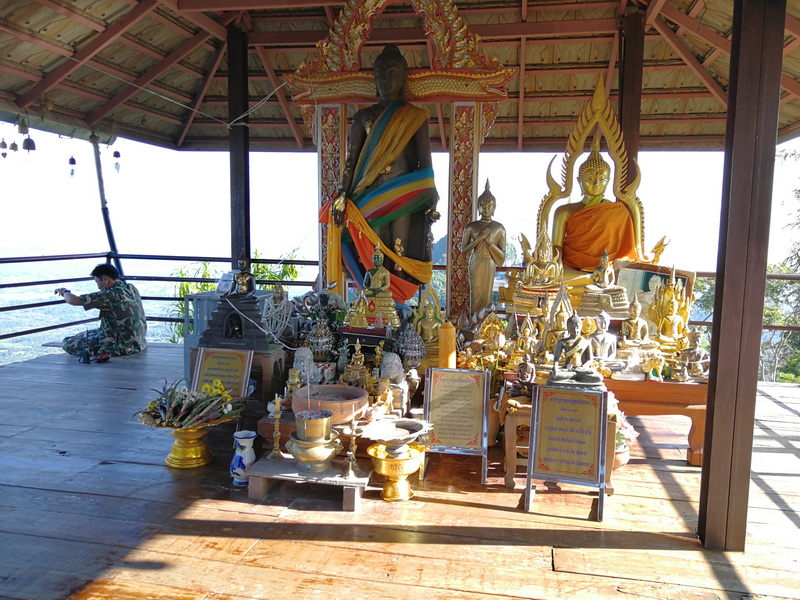
This is one reason the site is valuable for readers studying Important Temples in The North of Thailand. It encourages comparison between historical age and cultural importance. A temple does not need to be among the oldest in the region to reveal how religion, landscape, craftsmanship, and community participation shape northern Thai heritage. Wat Chaloem Phra Kiat provides that lesson through its setting and through the way visitors experience the approach.
Planning Around the Journey Rather Than the Photograph
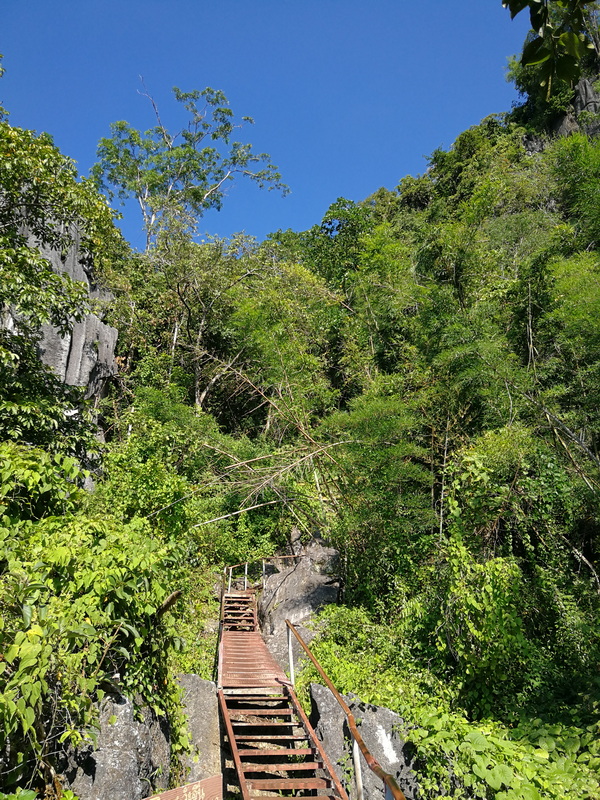
A visit requires more planning than a quick stop beside a main road. The mountain location means travelers should allow time for the transfer from the lower area and the uphill access portion. Depending on current arrangements, visitors may need to use designated transport for part of the route before continuing on foot. Conditions and procedures can change, so it is sensible to confirm the latest local guidance before traveling rather than relying on an old itinerary.
Comfortable walking shoes are useful because the route may include uneven ground, steps, and changing levels. Sun protection, drinking water, and modest clothing are practical choices, particularly for visitors combining the temple with other outdoor stops. As a religious site, shoulders and knees should be covered where appropriate, and hats or sunglasses may need to be removed in certain prayer areas. Photography is best kept discreet, with no disturbance to worshippers, monks, or ceremonies.
The timing of the visit also affects the experience. Clear conditions can make distant views easier to appreciate, while cloud, heat, or rain may change visibility and walking comfort. There is no need to rush from one viewpoint to the next. Taking time to observe the relationship between the pagodas, the rock formations, and the forest makes the visit more meaningful than collecting only a single image.
Travelers comparing Chiang Mai Package Tours often search by combinations such as Chiang Mai to Lampang temple tour, northern temple day trip, cultural package from Chiang Mai, or Lampang sightseeing itinerary. These searches reflect different priorities: some visitors want transport and a simple schedule, while others want space for local interpretation and nearby attractions. When reviewing a package, it is useful to ask whether the itinerary allows realistic travel time, respectful temple visits, and breaks between destinations. Exact inclusions, prices, and schedules vary, so they should be checked directly with the relevant operator.
What to Notice Beyond the Viewpoint
The most memorable details may be found in the transitions between spaces. At the lower level, the temple environment can feel grounded in everyday religious life. As the route rises, the forest becomes more prominent and the built structures appear increasingly connected to the contours of the mountain. This change in scale helps visitors understand why the location has become so recognizable without reducing it to a scenic overlook.
Look at the balance between white religious structures and the darker greens and grays of the surrounding landscape. The contrast is visually strong, but it also emphasizes the importance of setting. The pagodas are not displayed in a city plaza; they occupy a high, carefully reached environment that asks visitors to slow down. Quiet observation, rather than loud commentary or theatrical behavior, is appropriate.
The site can also prompt questions about contemporary temple building in Thailand. How are religious projects supported? How does a community care for a sacred place in a natural area? How do visitors influence the way a temple is understood? These questions do not require speculation about private beliefs or local decisions. They simply encourage travelers to see the destination as a continuing cultural landscape, not a finished attraction created solely for tourism.
Connecting Chaloemprakiat Temple Lampang With a Wider Day
Because the temple is outside central Lampang, it works best when the day is organized around regional travel rather than too many unrelated stops. A route can begin with the temple’s mountain setting, continue toward a local cultural experience, and leave enough flexibility for meals, road conditions, and rest. This approach is especially helpful for travelers coming from Chiang Mai, where distances and return times should be considered before adding multiple destinations.
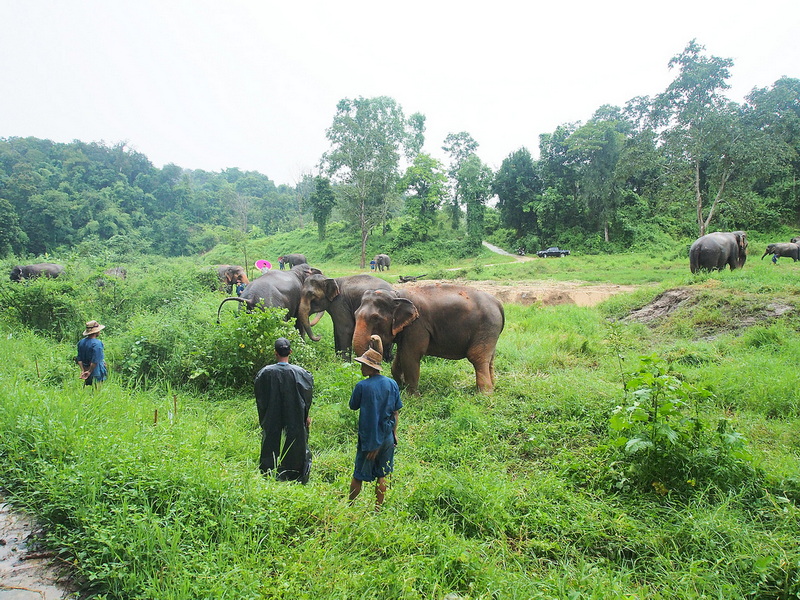
The wider itinerary should retain a sense of balance. A temple visit involves attention to religious etiquette and landscape, while other activities may be more social or educational. Moving between them can help travelers appreciate Lampang as a province with varied identities: historic urban traditions, craft communities, rural scenery, conservation work, and active religious life. The result is more informative than treating the temple as a detached landmark.
For independent travelers, the main decision is how much logistical responsibility to manage personally. For those considering Chiang Mai Package Tours, the important comparison is not simply the number of stops. Look for clarity about transport, walking requirements, time at the temple, and whether the itinerary leaves room for respectful exploration. A well-planned day should make the journey feel manageable without turning a sacred place into a rushed checklist.
Nearby Attractions
Horse Carriage in Lampang
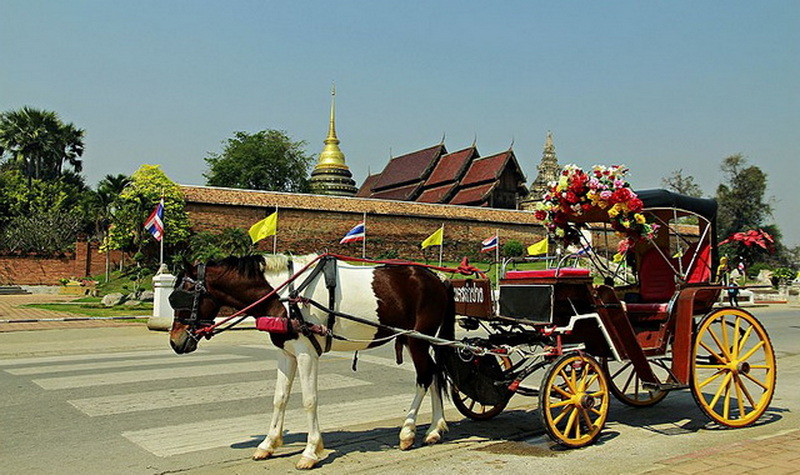
Horse Carriage in Lampang offers a gentler way to encounter the province’s urban character after a mountain-temple visit. The experience is associated with Lampang’s historic streets and enduring horse-carriage tradition, allowing travelers to observe buildings, roads, and daily life at a slower pace. It is not a replacement for walking through the town, but it can provide a distinctive introduction to the city’s atmosphere.
Visitors should follow the guidance of local drivers and treat the animals and handlers with consideration. Combining this experience with Wat Chaloemprakiat Temple Lampang creates a useful contrast: the temple emphasizes elevation, forest, and religious architecture, while the carriage experience highlights the rhythm of a settled provincial town.
Elephant Conservation Center
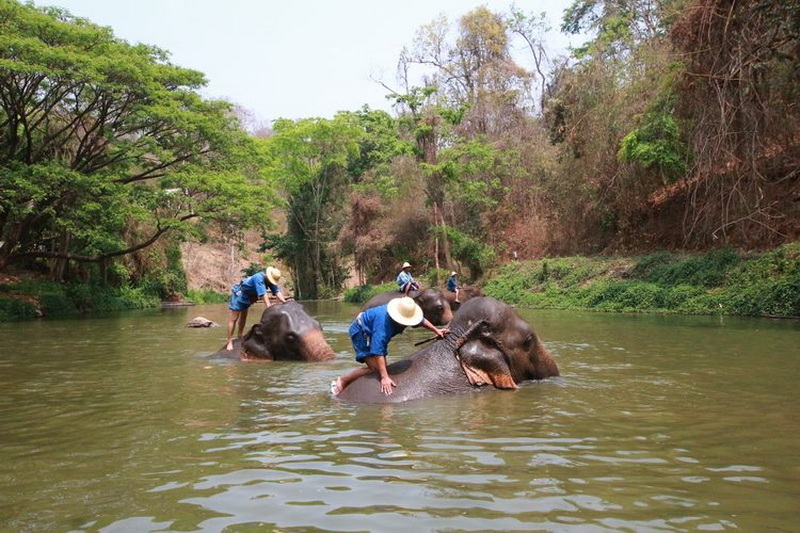
The Elephant Conservation Center is another possible complement to a Lampang itinerary, particularly for travelers interested in animal care, conservation education, and the long relationship between elephants and Thai society. A responsible visit should focus on welfare, appropriate visitor behavior, and the information provided by the center rather than on assumptions about animal encounters.
Its subject matter adds a different cultural and environmental perspective to a temple journey. After learning about religious heritage at Wat Chaloem Phra Kiat, travelers can consider how conservation organizations address living animals, working traditions, public education, and changing expectations around tourism. Current activities and visitor access may vary, so checking official information before departure is advisable.
Looking Ahead to Your Visit
Wat Chalermprakiat is most rewarding when approached as both a sacred destination and a mountain cultural landscape. Its white pagodas, forest setting, and carefully managed access create a visit that asks for patience and respect. By allowing realistic travel time, observing temple etiquette, and connecting the site with experiences such as Horse Carriage in Lampang or the Elephant Conservation Center, travelers gain more than a memorable viewpoint. They gain a clearer understanding of how religious life, local identity, nature, and regional travel meet in Lampang.

No comments:
Post a Comment