Pong Dueat Geyser A Field Guide to Northern Thailand’s Geothermal Country
Read the earth, choose the journey, and connect a Mae Taeng visit with wider northern travel
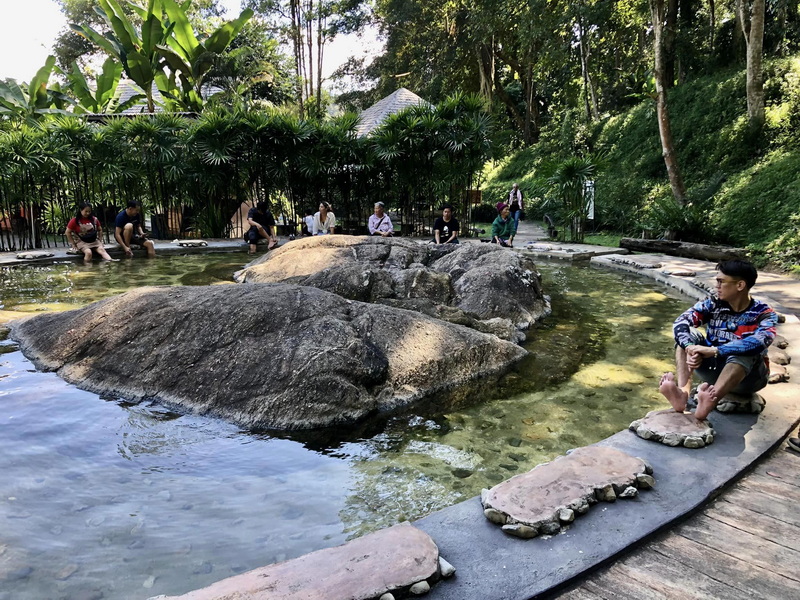
A hot spring becomes memorable when its setting explains the water. At Pong Dueat Hot Spring in Mae Taeng District, Chiang Mai, heat from below the ground is the central subject: warm water reaches the surface, steam gathers above geothermal features, and the surrounding forest gives the scene its northern character. The attraction is also widely described through names such as Pong Dueat Geyser, Pong Dueat Pa Pae, and Pa Pae Hot Spring. These names can appear differently in travel searches, but they point readers toward the same destination context rather than separate experiences that need to be collected one by one. This article takes a field-guide approach. Instead of treating the visit as a fixed sequence of stops, it explains how to read the site, how to decide whether it deserves a dedicated Chiang Mai Hot Springs Day Trip, and how its position can make sense within a longer journey. That distinction matters for first-time visitors: the value lies in seeing geothermal activity in its natural surroundings, not in attaching an elaborate schedule to a place whose appeal is primarily geological and atmospheric. Nearby attractions add further possibilities, while the road context gives the spring a meaningful role for people travelling onward through northern Thailand.
Steam, Heat, and the Character of Pong Dueat
Begin with the ground itself. Pong Dueat Geyser is notable because geothermal water makes an invisible underground process visible at the surface. Heat moves through rock and groundwater, and the result is experienced as warm water, rising vapour, damp air, and mineral-marked surroundings. The scene is therefore best appreciated through observation: notice where steam is strongest, how moisture changes the vegetation nearby, and how the pools and ground textures differ from an ordinary forest stream.
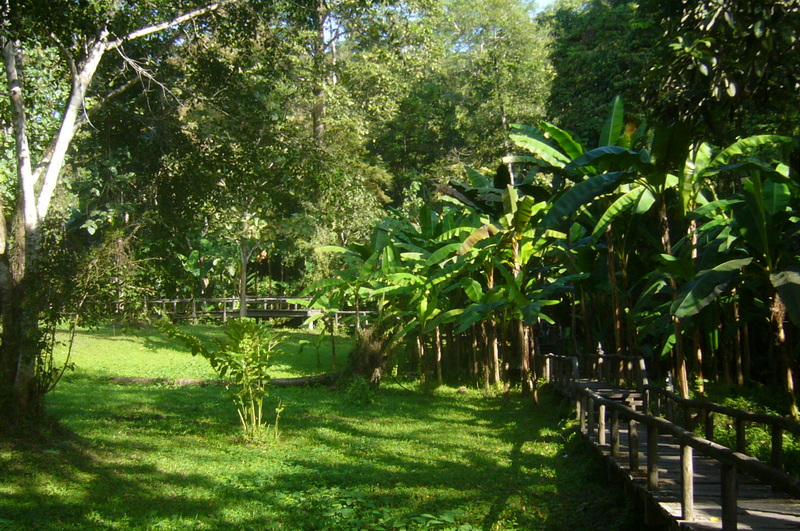
The setting also gives the attraction a useful sense of scale. A hot spring is not only a body of water; it is evidence of continuing geological activity. That makes Pong Dueat suitable for travellers who enjoy natural interpretation as much as recreation. The name geyser may encourage an image of a dramatic jet, yet the important visitor experience is the presence of heat and water emerging from the earth. Treat the active geothermal features as places to observe carefully, and follow the character of any marked visitor areas without approaching hot ground or water casually.
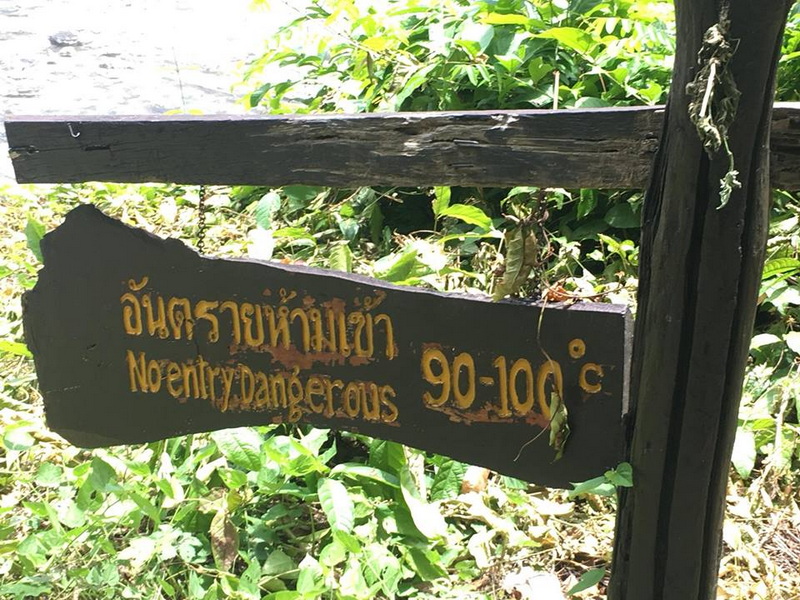
Searchers may encounter the phrase Pong Dueat Pa Pae Hot Spring when looking for this destination. The wording connects the spring with the Pa Pae name used in regional travel descriptions, while Pong Dueat Hot Spring identifies the attraction itself. Understanding the overlapping labels makes travel research less confusing and keeps attention on the physical experience: a geothermal site in Mae Taeng District, Chiang Mai, where underground heat shapes what visitors see.
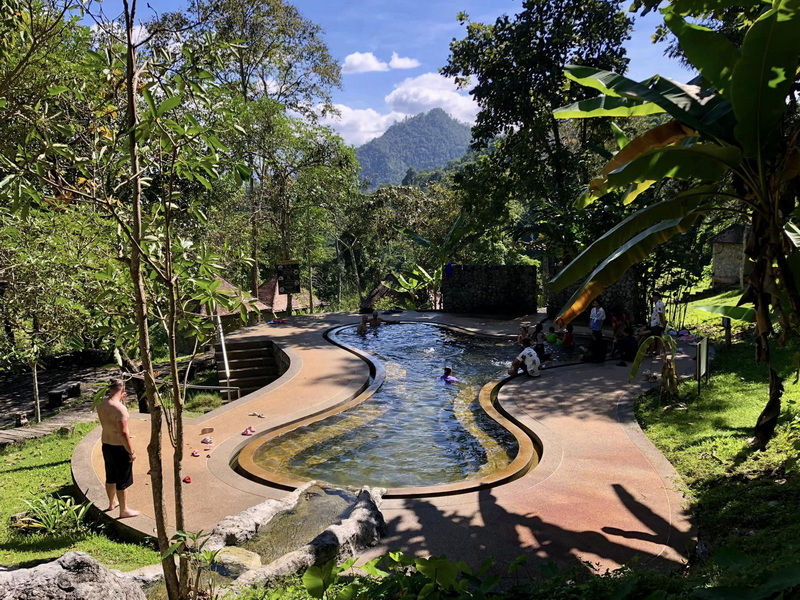
Natural Companions Beyond the Geothermal Features
Once the spring’s geological story is clear, two supplied nearby attractions show how the same region can support different kinds of attention.
Mok Fa Waterfall
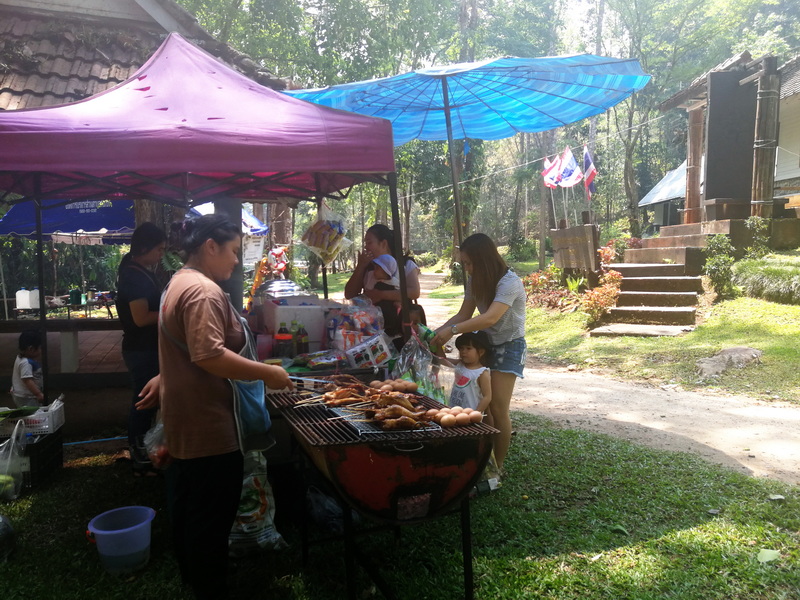
Mok Fa Waterfall gives the route a second natural focus based on falling water and forest atmosphere. Paired with Pong Dueat, it helps visitors notice how two water landscapes can feel entirely different: one reveals underground heat, while the other expresses water in motion. Keep the waterfall as a purposeful addition for travellers who want that contrast, not as an automatic requirement.
Kanta Elephant Sanctuary
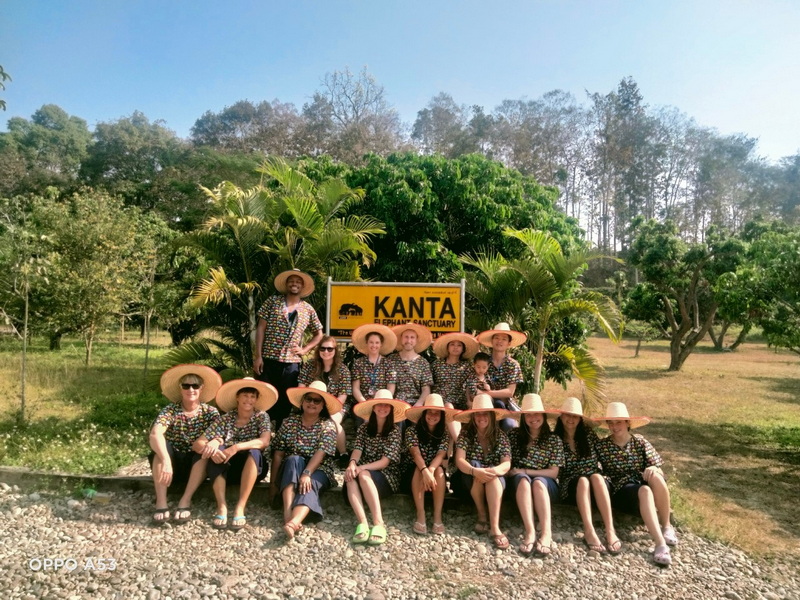
Kanta Elephant Sanctuary offers a wildlife-oriented option for the same wider travel context. Its inclusion changes the emphasis of the outing from geological observation to elephant-focused visitor experience. Anyone adding it should give the sanctuary’s own practices and guidance priority, allowing the visit to remain respectful and distinct from the hot spring.
A Chiang Mai Day Trip Built Around One Strong Anchor
For a Chiang Mai Hot Springs Day Trip, Pong Dueat works best as the day’s anchor. The geothermal features give the outing a clear subject, so the rest of the plan can be shaped around the interests of the group. A nature-minded visitor might spend the main part of the outing interpreting the spring and add Mok Fa Waterfall for a contrasting water landscape. Someone travelling with a strong interest in animal welfare may give the sanctuary greater weight and treat the spring as the geological opening or closing chapter.
This anchor-based method is more useful than trying to measure the day by the number of places visited. At the spring, allow attention to move between the visible details: steam, warm water, mineral traces, forest moisture, and the relationship between built visitor areas and active ground. Those details provide natural talking points for families and international visitors who may not have encountered geothermal scenery before. The destination becomes easier to remember when its features are connected to a simple explanation of heat moving through the earth.
The phrase Pong Dueat Pa Pae Hot Spring Chiang Mai is useful for readers searching from the city, but it should not be mistaken for a promise about a particular itinerary. It identifies the destination’s regional context. A practical day trip keeps the central experience intact, chooses additional stops for a reason, and leaves physical and mental space for the landscape to be noticed. In that form, the visit feels like a focused excursion into Mae Taeng’s natural character rather than a race between map pins.
Where the Spring Belongs on an Overland Journey
Pong Dueat also has meaning beyond a single-day outing. For travellers considering a Mae Hong Son Overland Tour From Chiang Mai, the spring can serve as an early expression of the region’s connection between road travel and natural features. The geothermal site introduces a landscape shaped by forces below the surface before the journey continues through the mountains and changing northern scenery. Its role is interpretive: it gives the route a memorable geological reference point.
This is why the destination should not be judged only by the length of time spent there. An overland journey often gathers significance through smaller encounters that explain the territory being crossed. Pong Dueat Pa Pae Hot Spring Thailand can occupy that role for visitors interested in how water, rock, forest, and settlement interact across the north. The spring does not need to represent the entire region; it contributes one precise idea to a much larger journey.
Route design still benefits from realism. Roads through mountainous northern Thailand can make a day feel fuller than a map suggests, and weather can change the comfort of walking outdoors. A short operational check before departure is sensible, especially for access conditions and any temporary changes. That single step supports the journey without allowing logistics to replace the destination itself. The larger decision is simple: choose the spring as a focused Chiang Mai excursion, or value it as one geological chapter within an overland trip.
Two Nearby Names, Two Different Reasons to Extend the Day
The surrounding area can be approached as a set of distinct experiences instead of a checklist. Mok Fa Waterfall introduces moving water and a forest setting, creating a visual counterpoint to Pong Dueat’s heat and vapour. The attraction is especially relevant to visitors who want their day to include more than one expression of northern Thailand’s natural environment. Its value in an itinerary comes from contrast in scenery and sound: geothermal water invites close observation, while a waterfall gives the landscape a sense of movement.
Kanta Elephant Sanctuary belongs to a different category of visit. Its name signals a wildlife-focused stop, so it should be considered through the quality of the sanctuary experience and the treatment of elephants rather than as another geological feature. Visitors interested in including it can give the stop its own attention and follow the site’s visitor guidance. Keeping the purposes separate helps prevent the day from becoming a hurried collection of unrelated attractions.
Together, Mok Fa Waterfall and Kanta Elephant Sanctuary broaden the possible character of a Mae Taeng outing, but neither needs to be treated as compulsory. The strongest plan is the one that leaves enough time for each chosen experience to remain intelligible: earth science at the spring, flowing water at the waterfall, or responsible wildlife observation at the sanctuary.
Let the Earth Set the Theme
The most distinctive way to remember Pong Dueat is to begin with its cause: underground heat made visible through water, vapour, and altered ground. That idea gives a short visit its focus and gives a longer northern journey a clear point of reference. Whether approached as a Chiang Mai excursion or placed within an overland route, Pong Dueat Pa Pae Hot Spring rewards curiosity about the forces shaping the region. The nearby waterfall and sanctuary can add different experiences, but the geothermal story remains the destination’s defining thread.
