Wat Phra That in Kwaen in Lamphun Province and Chiang Mai Trip Packages
An in-depth look at Lamphun’s cultural heritage focusing on Phrathat In Kwaen and its place within regional travel experiences
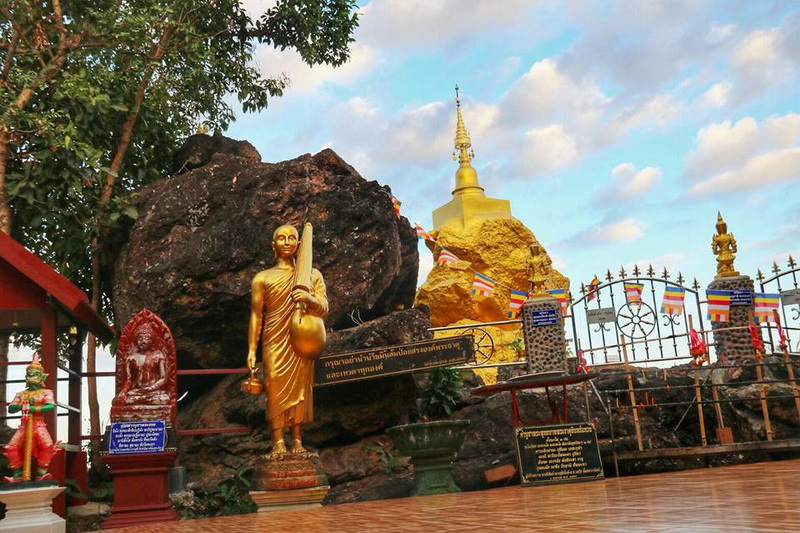
Nestled in the heart of northern Thailand, Lamphun Province offers a rich tapestry of cultural history and religious heritage, with Phrathat In Kwaen standing as a remarkable emblem of this legacy. This temple, also known as Wat Phra That in Kwaen, is not only a spiritual landmark but also a gateway to understanding the region’s historical significance and architectural grandeur. Travelers seeking a deeper appreciation of northern Thai culture often find themselves drawn to this serene site, which embodies centuries of devotion and artistry. Situated in Mueang Lamphun District, the temple’s presence reflects the deep-rooted traditions that have shaped the province’s identity. For visitors planning their journey through northern Thailand, incorporating Phrathat In Kwaen into a Chiang Mai trip package enriches the experience by connecting them with the broader historical and cultural context of the area. This article offers a detailed exploration of Lamphun Province with a focus on Phrathat In Kwaen, highlighting its significance and the surrounding attractions that complement a meaningful visit.
Historical Context of Phrathat In Kwaen
Phrathat In Kwaen is a revered temple with origins tracing back to the early Lanna Kingdom era, a period marked by the flourishing of northern Thai culture and Buddhism. The temple’s main stupa, or 'that', serves as a sacred reliquary believed to house relics of the Buddha, making it an important pilgrimage site for both locals and visitors. Its architectural style reflects a blend of Lanna influences with intricate details that speak to the craftsmanship of the era.
Throughout its history, Phrathat In Kwaen has undergone several restorations, each preserving the temple’s spiritual essence while adapting to the needs of contemporary worshippers. The temple grounds are dotted with ancient murals and sculptures that depict Buddhist teachings and local folklore, offering insight into the religious and cultural narratives that have shaped Lamphun Province. This context enriches visitor understanding by illustrating how the temple functions as a living heritage site, bridging past and present.
Cultural Significance within Lamphun Province
Lamphun Province itself is known for its deep historical roots as the former capital of the Mon Kingdom, known as Hariphunchai, before becoming part of the Lanna Kingdom. The province’s cultural landscape is characterized by a strong devotion to Buddhism, reflected in its numerous temples and religious festivals. Phrathat In Kwaen plays a central role in this cultural fabric, serving not only as a place of worship but also as a focal point for community gatherings and traditional ceremonies.
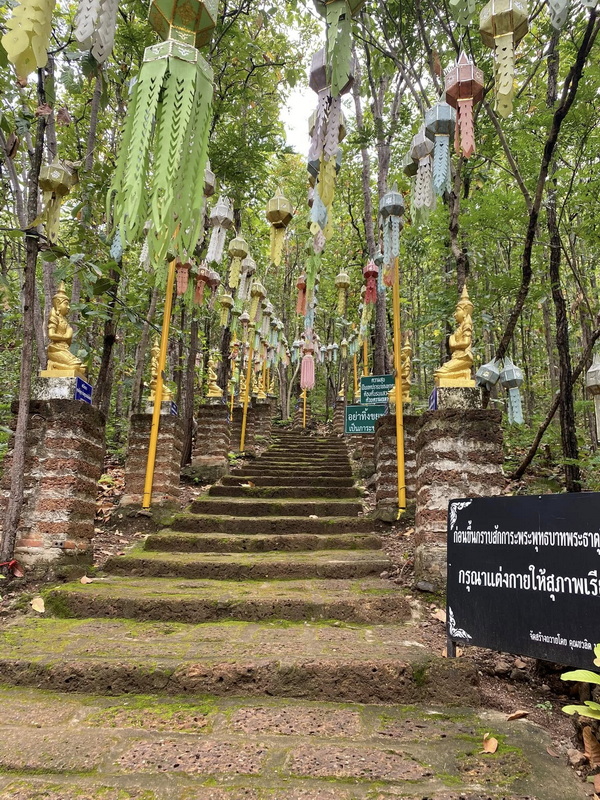
Visitors to Phrathat In Kwaen can observe how the temple continues to influence local customs and daily life. The temple’s festivals, such as the annual celebration of the Buddha’s relics, attract devotees who participate in ritual offerings and processions. This ongoing cultural engagement highlights the temple’s role in sustaining religious identity and educating new generations about their heritage.
Moreover, the temple’s location in Mueang Lamphun District positions it within a network of historical and cultural sites that together narrate the story of the province’s evolution. Understanding this interconnectedness enhances appreciation for Lamphun as a destination that offers more than isolated sightseeing but rather a holistic cultural experience.
Integrating Phrathat In Kwaen into Chiang Mai Trip Packages
For travelers planning a visit to northern Thailand, Chiang Mai often serves as the primary gateway. Many trip packages originating from Chiang Mai now include excursions to Lamphun Province, recognizing the value of its historical sites and authentic cultural encounters. Phrathat In Kwaen is frequently featured in these itineraries due to its accessibility and significance.
These packages provide structured opportunities for visitors to explore the temple in-depth, often accompanied by knowledgeable guides who share historical and cultural insights. This guided experience helps travelers move beyond surface-level observation, fostering a deeper connection with the temple’s heritage. Additionally, the inclusion of Phrathat In Kwaen within a broader Chiang Mai trip package allows visitors to balance spiritual exploration with other regional attractions, creating a well-rounded travel experience.
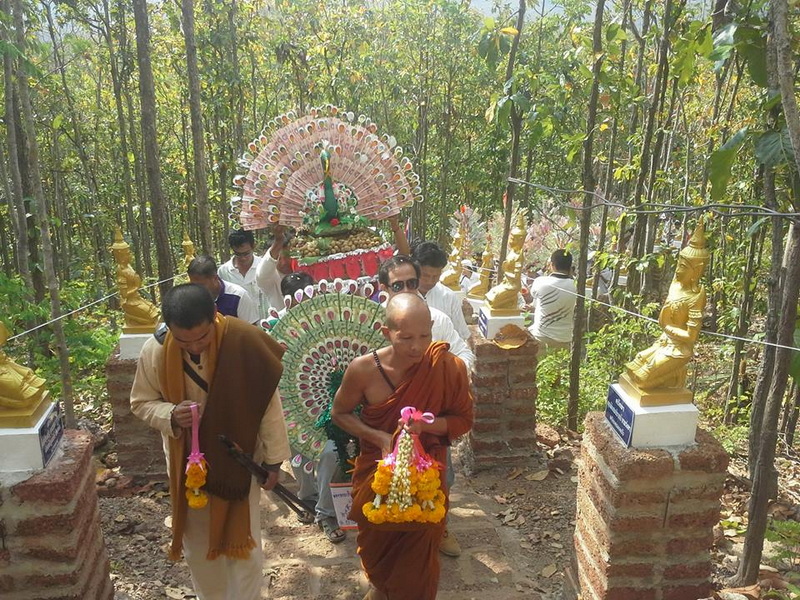
Travelers interested in cultural immersion benefit from such packages as they often include visits to nearby attractions, local markets, and traditional villages, offering a comprehensive view of northern Thai life. The integration of Phrathat In Kwaen into these tours underscores its importance as a cultural anchor within the region.
Architectural and Cultural Features of Phrathat In Kwaen
The temple’s architecture is a testament to the skilled artisanship that flourished in Lamphun Province during the Lanna period. The central stupa is adorned with elaborate carvings and gilded decorations that shimmer in the sunlight, symbolizing the Buddha’s enlightenment. Surrounding structures include prayer halls and ordination halls, each reflecting traditional northern Thai design elements such as steep multi-tiered roofs and detailed woodwork.
Inside the main temple buildings, visitors find murals that vividly illustrate Buddhist cosmology and local legends. These artworks not only serve religious purposes but also function as educational tools that communicate spiritual teachings through visual storytelling. The temple’s serene atmosphere invites contemplation, allowing visitors to experience the cultural depth embedded within its walls.
Beyond its physical attributes, Phrathat In Kwaen is a center for cultural preservation. Monks residing at the temple engage in teaching and maintaining traditional rituals, ensuring that the temple remains a living institution rather than a static historical site. This dynamic cultural vitality is palpable to visitors who attend ceremonies or interact with the temple community.
Visitor Engagement and Experience at Phrathat In Kwaen
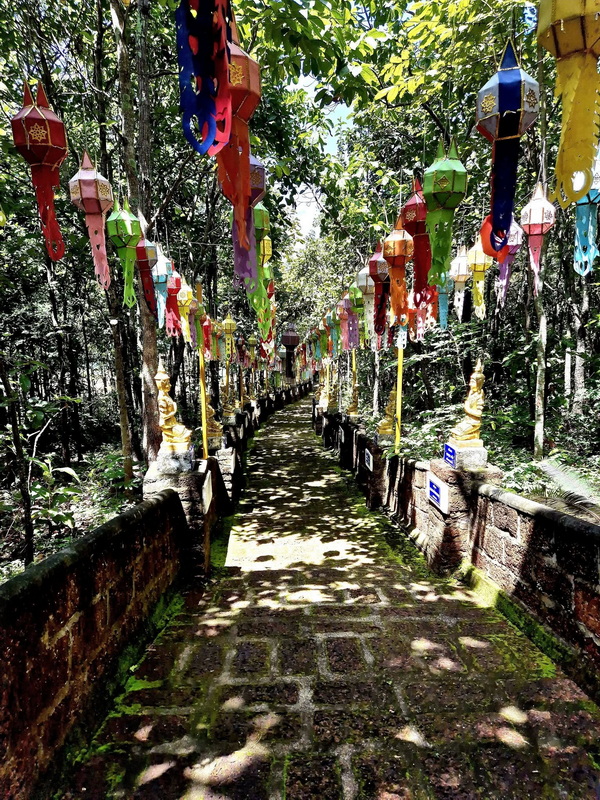
Engaging with Phrathat In Kwaen offers travelers a meaningful opportunity to participate respectfully in local religious practices. Visitors can observe monks during meditation sessions, partake in merit-making by offering alms, or simply enjoy the tranquil environment that encourages reflection. The temple’s layout facilitates easy movement through sacred spaces, allowing visitors to absorb the spiritual ambiance at their own pace.
Educational signage and occasional guided tours help contextualize the temple’s significance, making the experience accessible to those unfamiliar with Buddhist customs. Photography is generally welcomed in designated areas, enabling visitors to capture the temple’s intricate details while maintaining respect for worshippers.
Additionally, the temple’s proximity to other cultural sites in Lamphun Province encourages extended exploration. Visitors often combine their visit with trips to nearby historical landmarks and monuments, enriching their understanding of the region’s heritage. This interconnected visitor experience enhances appreciation for the temple’s role within the broader cultural landscape.
Nearby Attractions
Wat San Pa Yang Luang
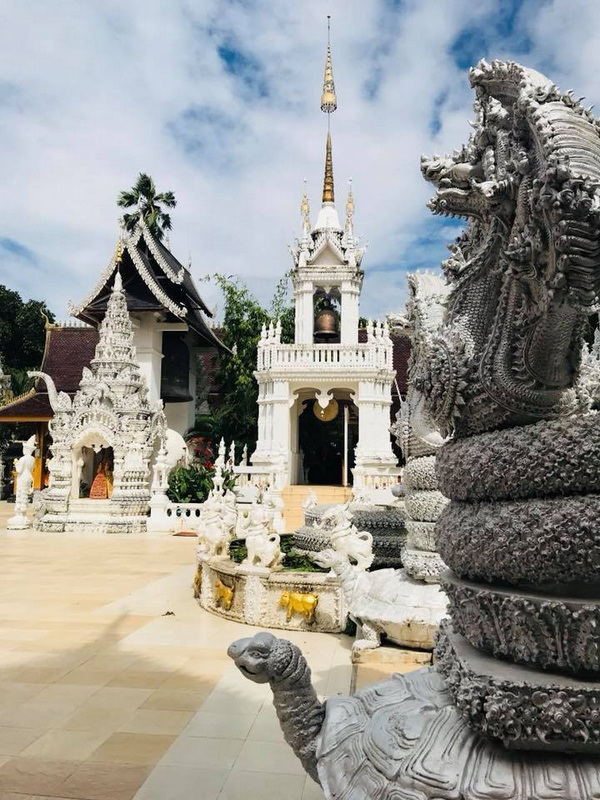
Located a short distance from Phrathat In Kwaen, Wat San Pa Yang Luang is an important temple known for its peaceful setting and beautiful wooden architecture. The temple complex features traditional Lanna-style buildings surrounded by lush greenery, offering a serene environment for contemplation and study.
Wat San Pa Yang Luang holds historical significance as a center for Buddhist learning and meditation in Lamphun Province. Visitors often appreciate the temple’s calm atmosphere and the opportunity to observe monks engaged in their daily practices. The temple grounds also include intricately carved wooden structures that exemplify northern Thai craftsmanship.
Kruba Sri Wichai Monument
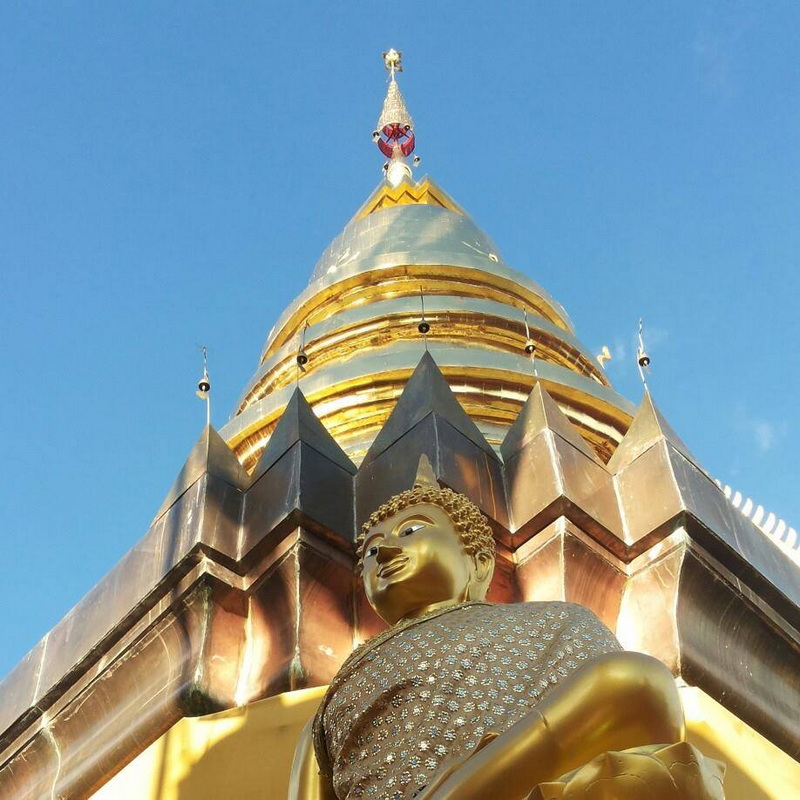
The Kruba Sri Wichai Monument honors one of northern Thailand’s most revered Buddhist monks, known for his role in unifying and spreading Buddhism during the Lanna period. This monument is a cultural landmark in Mueang Lamphun District and serves as a place of homage and reflection.
Visitors to the monument can learn about Kruba Sri Wichai’s contributions to religious and social life in the region. The site is often visited by locals and tourists alike, who come to pay respects and gain insight into the spiritual history that shaped Lamphun Province. Its proximity to Phrathat In Kwaen makes it a complementary stop for those exploring the area’s religious heritage.
Looking Ahead to Your Visit
Phrathat In Kwaen stands as a profound symbol of Lamphun Province’s enduring cultural and spiritual legacy. Through its historical significance, architectural beauty, and active role in the local community, the temple invites travelers to engage with northern Thailand’s rich heritage on a meaningful level. When combined with nearby attractions such as Wat San Pa Yang Luang and the Kruba Sri Wichai Monument, visitors gain a layered understanding of the region’s past and present. Incorporating Phrathat In Kwaen into a Chiang Mai trip package offers a thoughtful journey that balances exploration with reflection, making it an essential experience for those seeking to connect deeply with Thailand’s cultural heartland.

No comments:
Post a Comment