Pong Nam Ron Thapai on an Overland Journey from Chiang Mai
A practical route planner for combining Mae Hong Son travel with a relaxed visit to Tha Pai Hot Spring
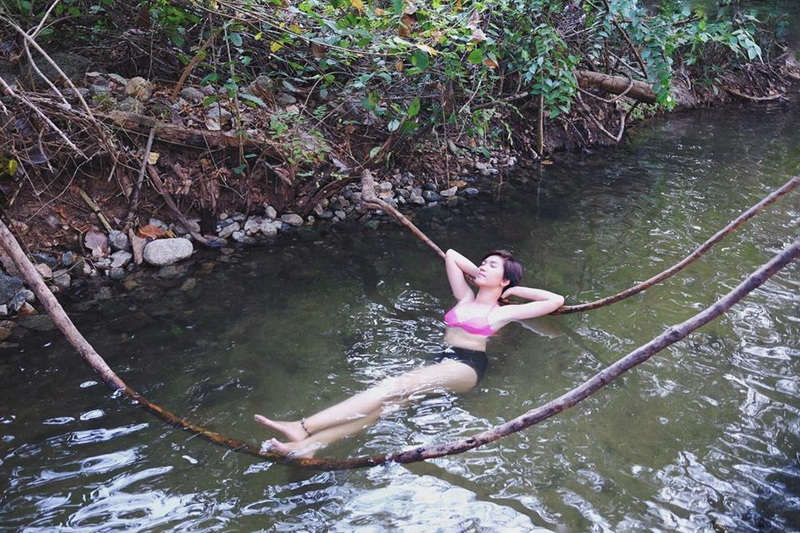
Pong Nam Ron Thapai, commonly known as Tha Pai Hot Spring, is a natural stop in Pai District, Mae Hong Son. Its warm mineral water, forest setting, and location near the Pai area make it suitable for travelers building a longer northern Thailand itinerary rather than treating the visit as an isolated excursion. The attraction is associated with outdoor bathing, warm pools, and a simple experience shaped by the surrounding landscape. For travelers coming from Chiang Mai, the journey is best understood as an overland route through northern mountain country. A Mae Hong Son Overland Tour From Chiang Mai can connect Pai with other destinations in Mae Hong Son Province, although the road requires time, planning, and tolerance for winding sections. Independent travelers can also arrange transport to Pai and continue locally to the hot spring. This guide focuses on decisions that make the visit easier: how to think about the overland route, what to expect on arrival, how to behave around a geothermal site, and how to pair the spring with Pai Canyon and Tha Pai Memorial Bridge. It is intended as a planning reference, not a promise of fixed operating hours, facilities, or tour arrangements, which should be checked locally before departure.
Planning the Overland Route from Chiang Mai
The road journey from Chiang Mai to Pai is a central part of the experience. It passes through mountainous terrain and includes many curves, so travelers should allow a generous amount of time and avoid planning a tightly packed schedule. A shared vehicle, private driver, or organized overland itinerary may suit different travelers, but the most important comparison is not simply cost. Consider departure flexibility, luggage space, comfort on winding roads, and whether the itinerary allows pauses along the way.
Travelers who want to continue into Mae Hong Son can use Pai as one stage of a broader circuit. A Mae Hong Son Overland Tour From Chiang Mai may include Pai, the provincial capital, and other stops, depending on the route selected. Because this article does not rely on fixed schedules, visitors should confirm the actual itinerary, road conditions, entrance arrangements, and return transport with the relevant operator or local transport provider.
If traveling independently, arrange the Pai portion before setting out from Chiang Mai. The hot spring is outside the town center, so the final connection matters. A local taxi, hired vehicle, or other available transfer may be necessary. Keep a small amount of time in reserve for delays, especially during periods of rain or when traveling during busy holidays. Travelers prone to motion sickness may find it useful to prepare medication, water, and light snacks before entering the mountain roads.
What to Expect at Tha Pai Hot Spring
A Thapai Hot Spring Visitor Guide begins with realistic expectations. This is a nature-focused attraction rather than a highly produced entertainment complex. Visitors generally come to walk through the forested setting, observe the warm-water features, and spend quiet time outdoors. The exact condition of paths, pools, changing areas, and other facilities can vary, so check current local information before visiting and follow signs on the ground.
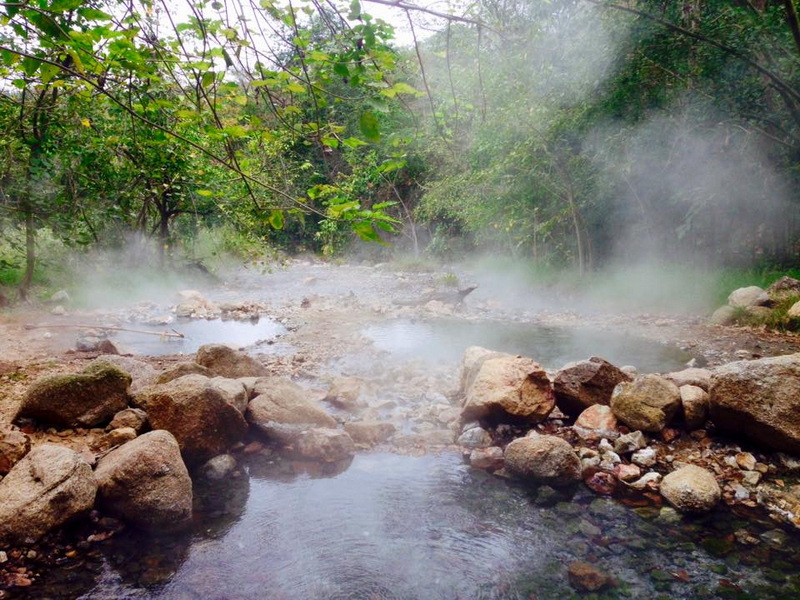
Water temperatures can differ between areas, and not every pool or section should be assumed suitable for bathing. Use only designated areas where bathing is permitted, and test the water carefully before entering. People with medical conditions affected by heat, young children, and anyone feeling unwell should take extra care and seek personal medical advice when appropriate. Do not remain in very warm water for too long, and leave immediately if dizziness, nausea, or unusual discomfort develops.
Comfortable walking shoes are useful because the visit involves moving through an outdoor environment rather than simply stepping from a vehicle into a pool. Bring drinking water, sun protection, and a light cover-up. A towel and spare clothing may be practical if bathing is permitted during the visit. Avoid bringing glass containers, keep personal belongings secure, and use rubbish bins or carry waste out when bins are unavailable.
A Considerate Visit to Pong Nam Ron Tha Pai
The appeal of Pong Nam Ron Tha Pai depends on its natural surroundings, so respectful behavior is part of the visitor experience. Stay on marked paths, avoid climbing on fragile features, and do not remove stones, plants, or other natural materials. Geothermal areas can change over time, and warning signs or barriers should be treated as safety instructions rather than suggestions.
Noise also affects the atmosphere. Keep conversations and music at a considerate level, particularly when other visitors are enjoying the setting quietly. Follow local rules about photography, clothing, and bathing. If a pool is shared, allow others space and avoid using soaps, shampoos, oils, or other products in natural water. These simple choices help protect water quality and preserve the site for residents and future visitors.
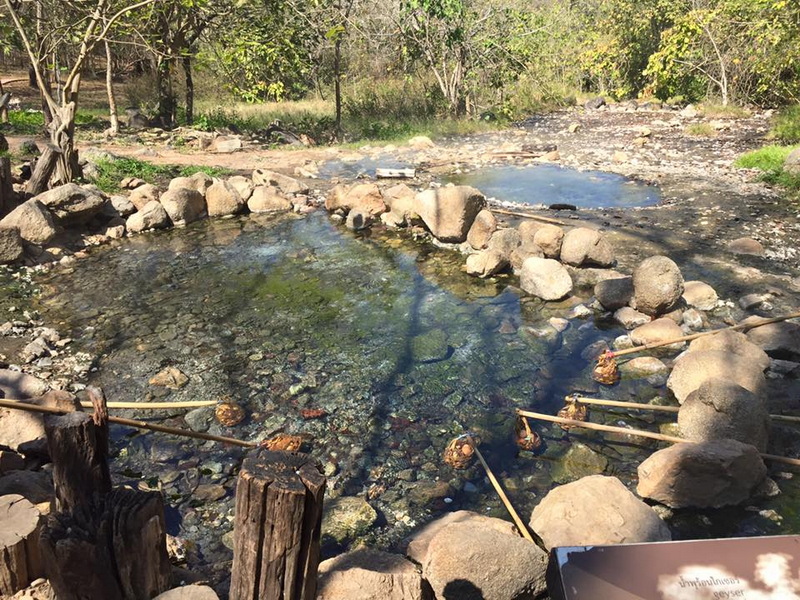
The name may appear in several forms, including Tha Pai Hot Spring, Thapai Hot Spring, and Pong Nam Ron Thapai. When asking for directions, using more than one name can be helpful, especially if a driver or map uses a different spelling. The attraction is in Pai District, Mae Hong Son, while Pai town is the practical base for arranging the final part of the journey.
Building a Manageable Day Around the Spring
A good itinerary leaves room for the pace of the site. Instead of assigning only a short transfer window, allow time for the road from Pai, walking, changing, resting, and returning. Morning or later afternoon may feel more comfortable than the hottest part of the day, but conditions and access can vary. Confirm current opening information before leaving and avoid assuming that an attraction will remain available during severe weather or maintenance.
Travelers combining the spring with other stops should group destinations according to direction and energy rather than trying to see everything at once. A visit to the hot spring can be followed or preceded by a viewpoint, historical site, or meal in Pai, provided the overall route remains realistic. For a longer overland journey, one substantial nature stop is often more enjoyable than a list of rushed photo stops.
A simple preparation checklist can prevent avoidable problems: check the forecast, carry water, wear secure footwear, protect valuables from water, and confirm how you will return to Pai. Keep identification and essential medication dry. If joining a tour, ask whether entrance costs, transport between stops, and time at each location are included. If using independent transport, agree on a clear pickup point and time before beginning the visit.
Choosing the Right Travel Style
An organized route is useful for travelers who prefer not to navigate mountain roads or coordinate several transfers. It can also make sense for visitors with limited time who want to connect Pai and Mae Hong Son in one continuous journey. Ask practical questions before booking: how long will the vehicle be on the road, how many passengers are expected, how much free time is provided, and what happens if weather or road conditions change?
Independent travelers may prefer greater control over the length of the visit. This approach allows a slower walk, a quiet break, or a change of plan when the weather shifts. The trade-off is that transport, entrance information, and timing must be checked personally. In either case, the best plan is one that leaves enough space for rest and does not treat the hot spring as a guaranteed quick stop between long drives.
Families and older travelers should pay particular attention to heat, uneven ground, and transfer time. Children should remain supervised around warm water and natural features. Solo visitors should tell a trusted person their general route and keep a charged phone, while all travelers should follow staff instructions and temporary closures. These precautions are ordinary parts of responsible travel in a natural setting.
Nearby Attractions
Pai Canyon
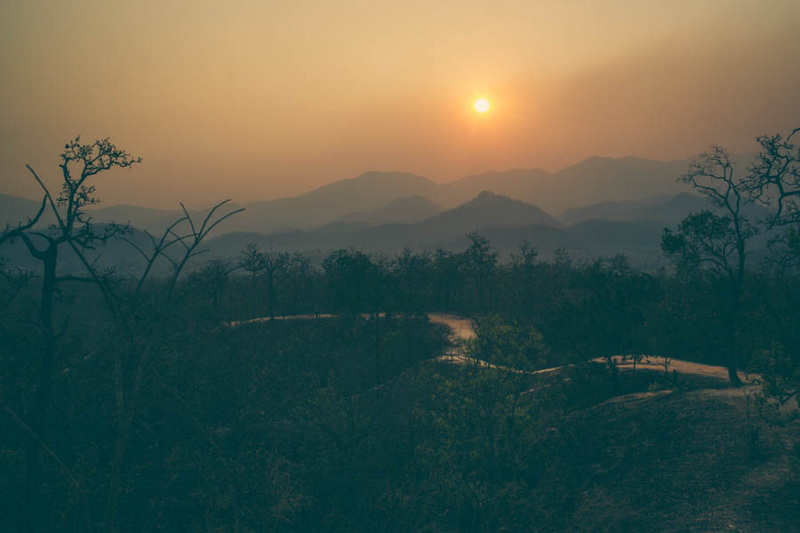
Pai Canyon offers a contrasting landscape to the warm-water environment of Tha Pai Hot Spring. Its trails and exposed ridges provide elevated views across the surrounding countryside, but some sections are narrow, uneven, and without substantial barriers. Visitors should wear shoes with good grip, avoid unstable edges, and allow more time than a quick viewpoint stop may suggest.
The two attractions can complement one another in an itinerary, although travelers should consider heat and daylight when choosing the order. Check local conditions before walking, stay on appropriate paths, and carry water. Pai Canyon is best approached as a scenic outdoor walk rather than a place for hurried climbing or risky photography.
Tha Pai Memorial Bridge
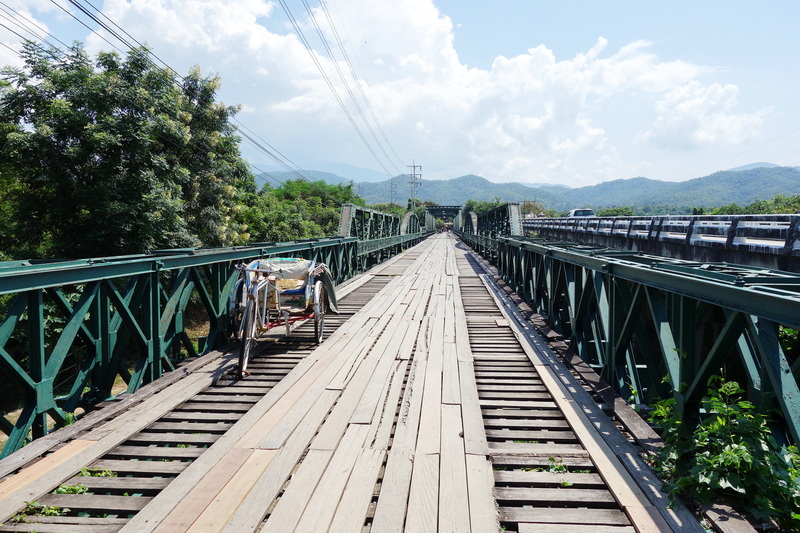
Tha Pai Memorial Bridge adds historical context to a visit around Pai. The bridge and its surroundings are associated with the region's wartime history, making it a useful stop for travelers who want their itinerary to include more than natural scenery. Read available local information on site and treat the area as a place of remembrance as well as a photographic landmark.
Its relatively straightforward format can work well before or after the hot spring, depending on transport and current road conditions. Keep the visit respectful, avoid obstructing other people, and do not assume that every part of the structure is suitable for climbing or crossing. Combining the bridge with Pong Nam Ron Thapai creates a balanced day of landscape, history, and time outdoors.
Looking Ahead to Your Visit
Tha Pai Hot Spring is most rewarding when approached with a measured plan. Allow realistic time for the overland road from Chiang Mai, confirm current local arrangements, and prepare for a warm outdoor setting rather than a fixed resort-style experience. Whether reached independently or as part of a broader Maehongson itinerary, Pong Nam Ron Thapai can fit naturally into a Pai travel day. Add Pai Canyon or Tha Pai Memorial Bridge only if the pace remains comfortable, and let safety, respect for the environment, and local guidance shape the final schedule.

No comments:
Post a Comment