Wat Phra That Hariphunchai and the Cultural Attractions of Lamphun
A respectful look at Lamphun’s revered chedi, living Buddhist traditions, and nearby heritage sites
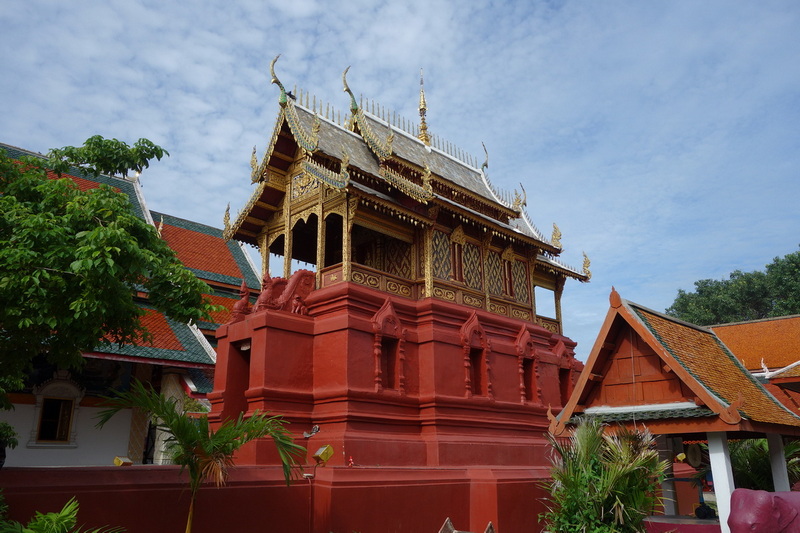
Among the Important Temples in The North of Thailand, Wat Phra That Hariphunchai holds a distinctive place. It stands in the historic heart of Lamphun, a city whose cultural identity reaches back to the Hariphunchai kingdom and its Mon heritage. For visitors, the temple is not simply an impressive monument to photograph; it is a functioning religious complex where architecture, local history, and everyday devotion remain closely connected. The formal name is Phra That Hariphunchai Temple, while other English spellings include Phrathat Hariphunchai and Wat Phrathat Hariphunchai. These names refer to the same important sanctuary and its principal stupa. A visit is most rewarding when approached with attention to the layers of meaning around the site: the ancient city, the Buddhist relic tradition, Lanna craftsmanship, and the continuing practices of worshippers from Lamphun and beyond.
A Temple Rooted in Hariphunchai History
Lamphun occupies an important position in northern Thai history. It was associated with Hariphunchai, a Mon kingdom that flourished in the region before the rise of Lanna. The city’s temples and monuments preserve memories of that earlier political and religious landscape, making Lamphun different in character from a destination understood only through later Lanna history.
Tradition connects the temple with a sacred relic of the Buddha, giving the central chedi its religious importance. As with many long-established Buddhist sanctuaries, the visible buildings represent layers of construction, restoration, and artistic change rather than one untouched moment in time. The sanctuary has developed through centuries of patronage, and its present appearance reflects both older traditions and later Lanna influence.
This long continuity helps explain why the temple is regarded as one of the important religious landmarks in northern Thailand. Its value is not limited to age or visual scale. The site links sacred belief with the history of a former kingdom and remains part of the spiritual life of the province.
What to Notice Within the Temple Grounds
The golden-toned principal chedi naturally draws the eye first. Its height and luminous surface give the central sanctuary a strong visual presence, but its meaning is more important than its appearance. For Buddhist worshippers, the stupa is a focus for reverence and merit-making, so visitors should observe the surrounding activity quietly and avoid treating the chedi as a display detached from religious practice.
Around the main structure, the temple grounds bring together the familiar elements of a northern Thai monastery: worship halls, smaller shrines, decorative details, and open spaces used by monastics and lay visitors. Rooflines, layered ornament, carved surfaces, and guardian figures can be read as expressions of regional craftsmanship. Instead of trying to identify every detail quickly, it is worthwhile to look at how the buildings frame the central sacred space.
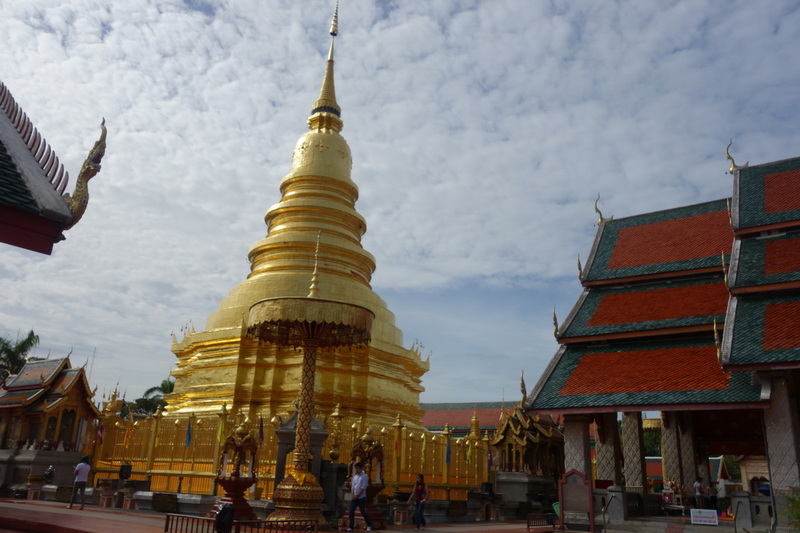
The name Wat Phra That Haripunchai Woramahawihan is also encountered in formal references to the site. Different transliterations can make the temple seem to have several identities, yet they point to the same historic complex. Searching or asking about Hariphunchai Temple, Wat Hariphunchai, or Phrathat Hariphunchai Temple Lamphun can therefore be useful when comparing cultural information, while respectful behavior remains more important than choosing one spelling.
Experiencing a Living Religious Site
A visitor’s experience changes according to the rhythm of the temple. At a quiet moment, the complex may invite close attention to bells, roof decoration, incense, and the measured movement of worshippers. At other times, families, pilgrims, and local residents may gather for prayer or merit-making. These activities are part of the site’s ordinary life, not performances arranged for sightseeing.
Appropriate clothing is an important part of entering a sacred place. Shoulders and knees should be covered, footwear should be removed where signs or custom require it, and voices should remain subdued inside worship areas. Visitors should not climb on structures, point their feet toward Buddha images, or interrupt people who are praying. Photography should be guided by posted instructions and by sensitivity to worshippers, monks, and ceremonies.
The best way to understand the temple is to allow time for observation. Notice which spaces appear intended for prayer, which buildings are used by the monastic community, and how local visitors behave. A guidebook can supply dates and architectural terminology, but patient attention reveals the temple as a living institution rather than a historic object.
Why Lamphun Adds Depth to the Visit
The temple is one of the most significant Attractions in Lamphun because it places religious heritage at the center of the old city. Lamphun itself is more compact and historically focused than many larger northern destinations. Its streets, monuments, and temples allow visitors to consider how a provincial city can preserve a strong sense of identity through sacred places and local memory.

The wider cultural landscape includes references to Queen Chamadevi, the ruler traditionally associated with the founding of Hariphunchai. Her story belongs to the region’s historical and legendary traditions, and it helps explain why Lamphun’s monuments are often considered together rather than as isolated stops. The temple is therefore best understood within a network of royal memory, Buddhist devotion, and the heritage of the old kingdom.
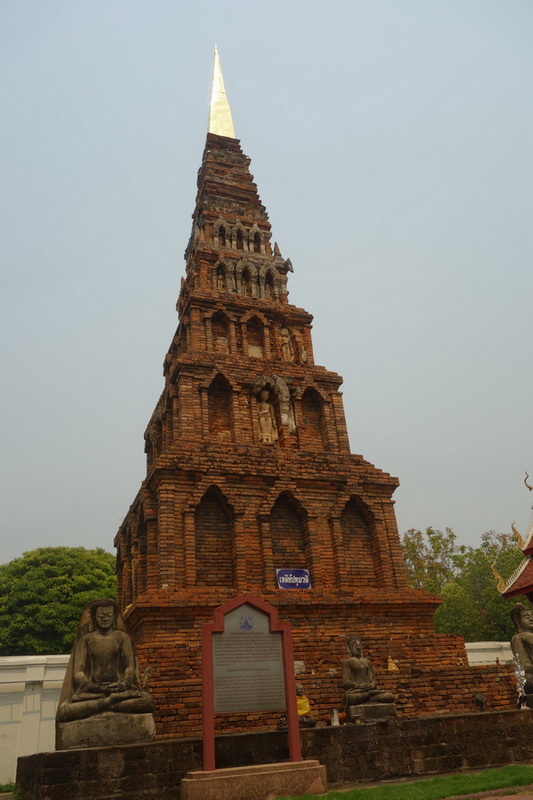
For a culture-focused traveler, this context makes the visit more meaningful. The objective is not to collect as many buildings as possible, but to see relationships: between the principal chedi and the surrounding city, between Mon and Lanna influences, and between historic architecture and present-day religious practice. Lamphun rewards this slower, connected way of looking.
A Thoughtful Way to Explore
Begin by taking in the complex as a whole before concentrating on decorative details. From there, move carefully between public areas, worship halls, and the central chedi, following signs and local custom. If a ceremony or period of prayer is taking place, keep a respectful distance and return to an area later rather than assuming every space is available for sightseeing.
It can also be helpful to distinguish historical interpretation from religious belief. The temple’s relic tradition is central to its sacred significance, while architectural dating and political history are subjects approached through historical research and local heritage narratives. Presenting both dimensions fairly allows visitors to appreciate the site without reducing it either to legend or to an architectural specimen.
A visit can be paired with a walk through Lamphun’s historic area, but the temple should not be treated merely as one item on a checklist. Even a short period of quiet observation can communicate why Phrathat Hariphunchai remains important to local worshippers. The combination of visual beauty, historical depth, and continuing practice is the essential visitor insight.
Nearby Attractions
Wat San Pa Yang Luang
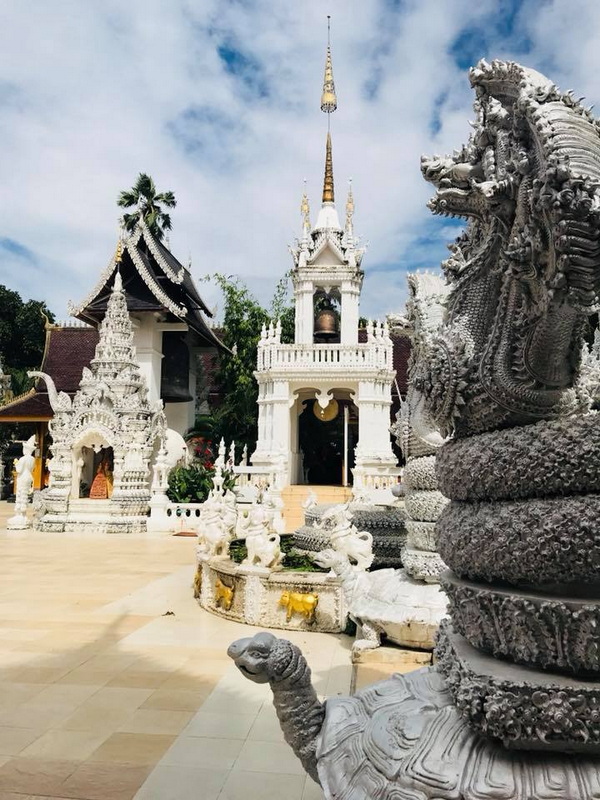
Wat San Pa Yang Luang offers another opportunity to encounter Lamphun’s temple heritage in a more local setting. Its importance lies in the way religious architecture and community life meet within the city’s broader historic landscape. Visitors can look for regional decorative traditions and consider how different monasteries contribute to Lamphun’s cultural identity.
The site complements a visit to the principal sanctuary because it encourages comparison rather than repetition. Observe the scale, arrangement, and atmosphere of the buildings, while remembering that it remains a sacred place used by worshippers. Modest clothing, quiet conduct, and care around photography are appropriate here as well.
Wat Phra Yuen
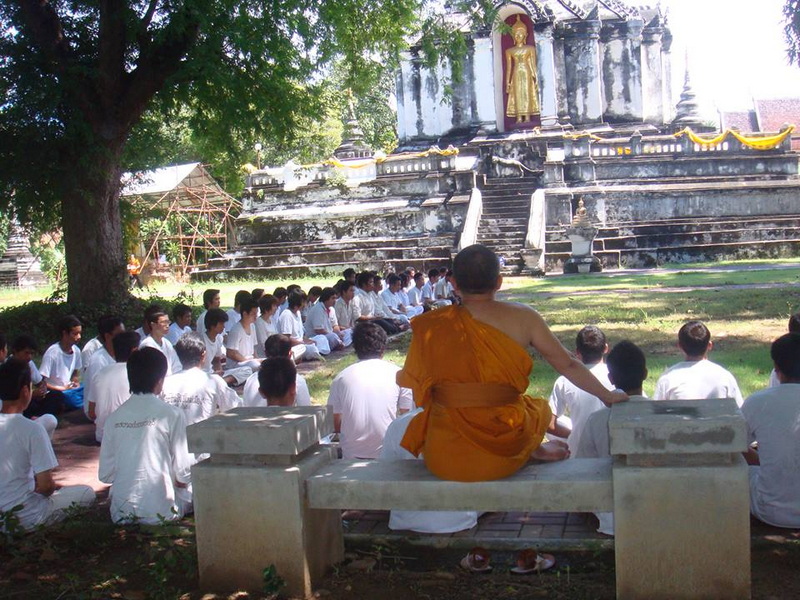
Wat Phra Yuen is another of the Lamphun temples that helps place the city’s Buddhist heritage in context. Its presence broadens the story beyond one celebrated chedi and shows how religious sites are distributed through the historic urban environment. The temple can be approached as a place of worship first and a heritage attraction second.
A thoughtful visit focuses on the relationship between the buildings, images, and surrounding community rather than on quick visual comparison. Together with the main sanctuary, this stop can help travelers recognize the continuity of Buddhist practice across Lamphun while respecting the distinct character of each monastery.
Looking Ahead to Your Visit
Wat Phra That Hariphunchai is memorable because history and present practice remain visible in the same place. Its chedi represents a revered Buddhist tradition, while the surrounding complex reflects the layered heritage of Hariphunchai and Lanna. By visiting quietly, dressing appropriately, and allowing local worshippers to set the rhythm of the experience, travelers can appreciate more than an architectural landmark. They can understand why this temple continues to anchor Lamphun’s cultural landscape and why its nearby monasteries deserve attention as part of the same living story.

No comments:
Post a Comment