Lahu Hilltribe Compared Through the Chiang Mai Visitor Experience
A practical comparison of cultural interests, conversation styles, and respectful ways to choose a Northern Thailand encounter
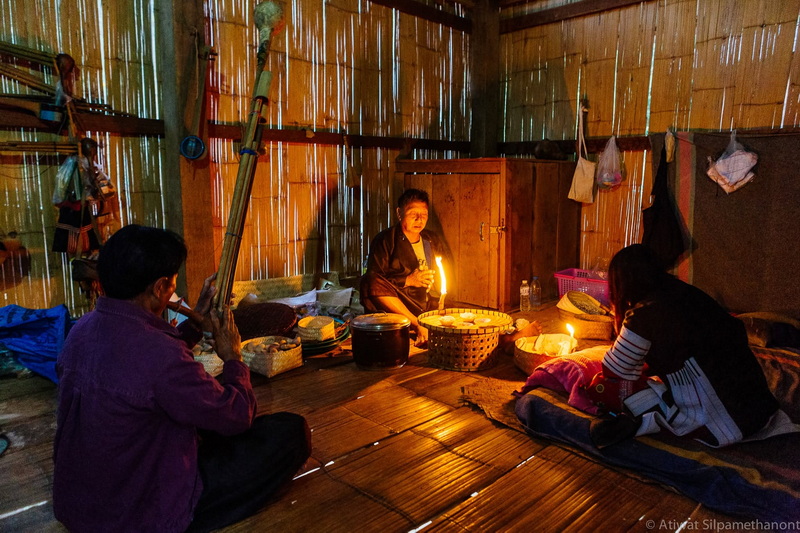
Choosing a cultural visit near Chiang Mai is less a contest than a question of emphasis. One traveler may want to understand farming on upland slopes; another may be drawn to weaving, family stories, food, music, or changes in religious practice. The Lahu Hilltribe can suit some of these interests particularly well, but it should not be assessed by costumes or visual novelty alone. A useful comparison asks what visitors are likely to learn, how much conversation is possible, whether an activity is community-led, and how much preparation the experience requires. This approach also prevents every ethnic community from being presented as interchangeable. Karen, Hmong, Akha, Lahu, and other groups have different histories and local expressions, while individual villages and households may have different relationships with visitors. The guide below works as a decision tool: match your curiosity with the kind of exchange being offered, then check whether local people have meaningful control over it. Used this way, searches such as Best Hill Tribe To Visit In Chiang Mai become a starting point for better questions rather than a ranking exercise.
Start With the Question You Want a Visit to Answer
A short cultural encounter cannot explain every part of a community. It becomes more useful when the traveler arrives with one clear line of inquiry. Someone interested in textiles might value demonstrations and discussion about materials, patterns, labor, and changing markets. Someone fascinated by land use may learn more from a conversation about cultivation, forest edges, weather, and household work. A visitor who enjoys oral history may prefer an unhurried exchange with a local interpreter or host rather than a sequence of staged activities.
This is where the Lahu Hilltribe may differ from the experience a traveler imagines from a generic hill-community excursion. The strongest fit depends on the people available to speak, the purpose of the visit, and the way an organizer describes participation. A description that names a real activity and explains who leads it gives more useful information than broad promises of an authentic encounter.
Use four questions before deciding: What will I actually learn? Who has chosen to share it? Is there room to ask ordinary questions? Does the visit recognize present-day life as well as heritage? These questions create a comparison framework that is more reliable than selecting a community because its name appears most often in travel searches.
A Four-Part Comparison of Hill Tribe Visitor Experiences
The first comparison is interaction style. Some experiences are observation-heavy, with a guide explaining homes, clothing, crops, or craft objects while visitors move through a planned setting. Others allow more direct conversation, perhaps around a work activity or meal. Neither format is automatically better. The important distinction is whether the pace leaves room for questions and whether residents can decline participation without pressure. For a traveler seeking everyday conversation, a small, locally facilitated exchange may be more suitable than a polished group presentation.
The second comparison is cultural emphasis. A Karen-focused visit may appeal to someone studying weaving or village agriculture; a Hmong-oriented experience may prompt interest in migration histories, textile design, or market traditions; an Akha encounter may raise questions about ritual knowledge, family organization, and changing livelihoods. These are broad guideposts, not labels for every community. The Lahu Hill Tribe may be especially rewarding for travelers who want to connect landscape, farming, music, family memory, and religious change rather than isolate one decorative tradition.
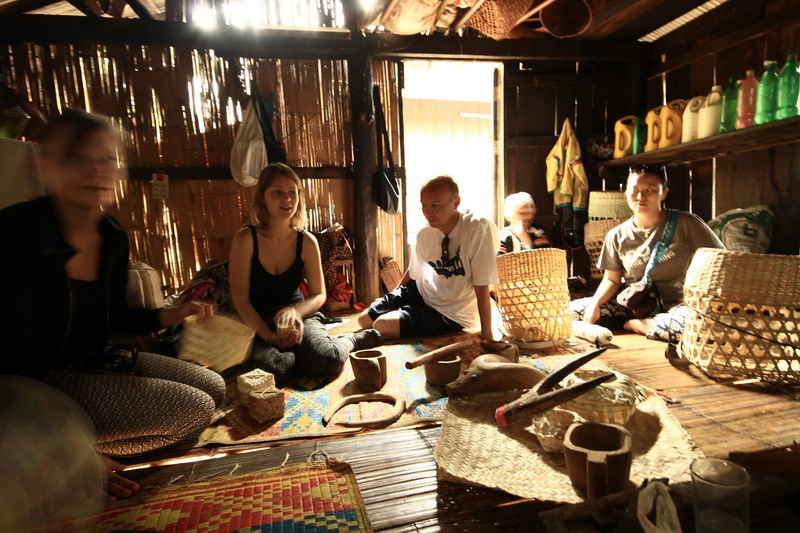
The third comparison concerns performance. A demonstration can be educational when residents decide what to show and explain its meaning. It becomes less informative when an activity is presented only as a visual backdrop, with no context or opportunity for local interpretation. Ask whether the event is a regular community practice, an adapted teaching activity, or a presentation designed specifically for visitors. That answer helps distinguish participation from display.
The fourth comparison is preparation. A respectful traveler may need only basic cultural background for a brief hosted conversation, while a visit involving ceremony, household space, food preparation, or sacred subjects calls for clearer guidance. Good preparation is not about memorizing a fixed list of rules. It means knowing what the visit includes, which topics may be private, and how permission works in that setting.
Choose by Interest: Craft, Landscape, Food, or Daily Work
Craft-focused travelers should look beyond the finished object. Ask who made it, whether the maker wishes to demonstrate the process, what materials are used, and how the work fits into household income or cultural teaching. A Lahu encounter built around craft can be meaningful when the maker speaks in their own terms and visitors understand that a textile, basket, garment, or carved item is not simply a souvenir. The same principle applies to Karen, Hmong, or Akha craft experiences: the technique matters, but the maker’s explanation matters more.
Landscape-oriented travelers may find a stronger connection through farming and settlement patterns. Upland cultivation involves decisions about soil, rainfall, crops, labor, and environmental pressure. A guide can help visitors see why a path, field, stream, or forest margin matters without turning the landscape into a romanticized wilderness. For this type of traveler, the most valuable comparison is not which group has the most picturesque setting, but which experience explains how people use and care for the land.
Food offers another route into cultural understanding. A meal or cooking discussion may reveal ingredients, seasonal routines, household roles, trade connections, and changing tastes. Travelers should not assume that a dish is available on demand or that a family kitchen is open for inspection. When food is part of the visit, find out whether guests are observing, helping, tasting, or simply sharing a meal. Those are different experiences with different expectations.
Visitors curious about daily work should seek ordinary detail rather than a compressed performance of tradition. Questions about school, employment, language use, farming schedules, migration, or technology can show how a community balances continuity and change. The Lahu Hilltribe is not best understood through one emblematic activity; it is better approached through the connections among work, relationships, belief, and place.
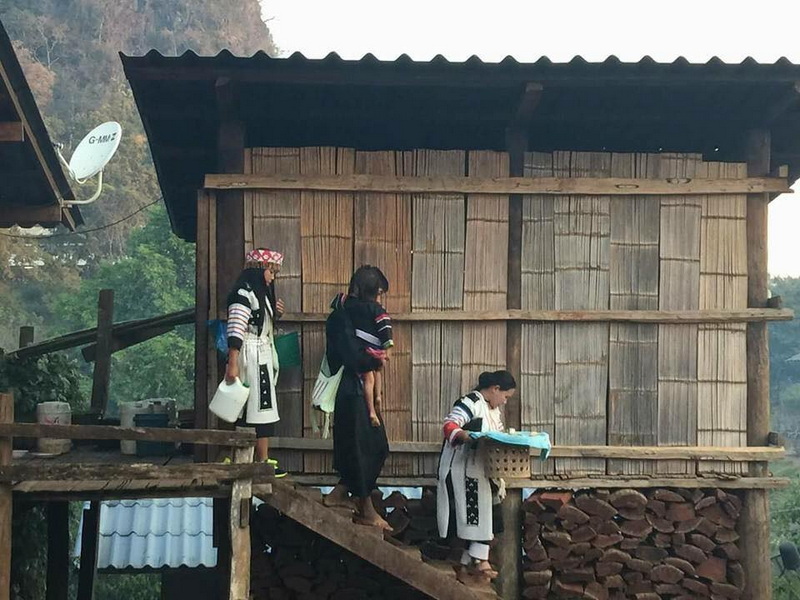
When Oral History and Belief Matter More Than Visual Detail
Some travelers remember a conversation more vividly than a demonstration. If oral history is your priority, ask whether the visit includes a local narrator, interpreter, elder, teacher, or host who has chosen to discuss the subject. A useful exchange may cover movement across borders, memories of settlement, language, education, or changes within the family. It should not imply that one person speaks for every Lahu community or that a single story settles a complex history.
Religious life requires particular care. Lahu communities may include different forms of spiritual and religious practice, and beliefs can vary between households and locations. A visitor should not expect access to ceremonies, ritual objects, or sacred spaces simply because they are culturally interesting. A clear explanation from a local host is more valuable than close observation of something that was never intended for public viewing.
This is also a point of contrast with many standard cultural excursions. A schedule built around visible landmarks may leave little time for interpretation, while a conversation-led visit may appear less dramatic but answer deeper questions. Travelers interested in belief, memory, or language should favor an experience that identifies its sources and allows uncertainty. Local variation is not a weakness in the story; it is part of the information.
The Community-Led Test
A simple test can help compare potential experiences: can the organizer explain who designed the visit, who leads each activity, what residents may refuse, and how participation benefits the host community? Clear answers suggest that local agency has been considered. Vague language, pressure to buy, or promises of unrestricted access deserve caution.
This criterion applies equally when researching Muser Hilltribe Information. Muser or Musur is a name used in some Thai contexts for Lahu people, but terminology can vary by speaker, region, and situation. Information is more responsible when it explains that naming preference should be treated with care instead of presenting one label as a complete definition. The best background prepares visitors to ask respectful questions, not to arrive with assumptions.
Keep the practical conduct simple. Follow the host’s instructions, ask before photographing people or personal spaces, do not handle objects that have not been offered, and accept a refusal without argument. Avoid turning children, clothing, homes, or ceremonies into a personal collection of images. These points are not a separate performance of good manners; they are part of judging whether the encounter allows residents control over their own participation.
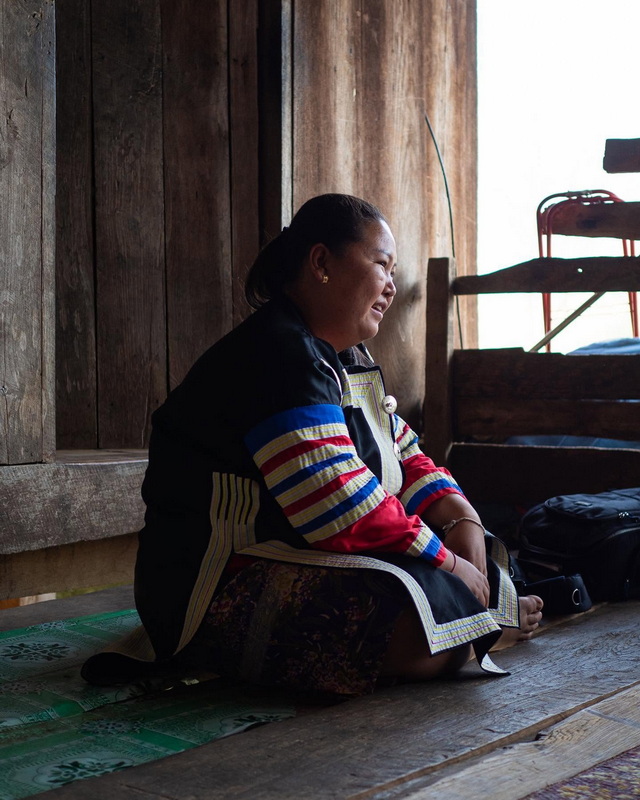
A community-led experience may be less predictable than a tightly staged one. That uncertainty can be useful because conversation may follow local priorities rather than a visitor’s checklist. It can also mean that some questions remain unanswered. A responsible comparison values truthful limits over access that has been obtained through pressure.
How to Match the Experience to Your Travel Style
Independent-minded culture travelers should read descriptions closely and ask for context before committing. Look for the names or roles of local hosts, the learning focus, and an explanation of what visitors will not see. Travelers who prefer a structured introduction may choose Chiang Mai Package Tours, but they can still ask providers whether the cultural component is hosted by residents or delivered entirely by an outside guide.
Families and mixed-interest groups may need a flexible experience with several ways to participate. A craft explanation can engage visual learners, a farming discussion can suit older children, and a shared food story can give the group a common subject without requiring anyone to enter private spaces. Visitors should avoid expecting residents to provide entertainment for children; the group’s behavior remains its own responsibility.
Photographers, writers, and content creators need an additional standard. Permission should cover the intended use, not merely the act of taking an image. A person who agrees to a quick photograph may not have agreed to commercial publication, a location tag, or a dramatic caption. If the purpose is professional or promotional, explain it plainly and accept that consent may be limited.
For travelers still comparing options, write down your top priority and the evidence offered by each experience. If your priority is music, where does the explanation come from? If it is food, who invites you into the activity? If it is history, whose account is being presented? This small exercise turns a vague search for the Best Hill Tribe To Visit In Chiang Mai into a more thoughtful choice.
Looking Ahead to Your Visit
The Lahu Hill Tribe may suit travelers who want to connect several strands of cultural life: upland landscapes, household work, oral memory, music, food, and changing belief. It may be less suitable for someone seeking a fast, highly choreographed photo stop. Karen, Hmong, Akha, and other communities may offer stronger connections for particular interests, but no group can be reduced to a single visitor profile. Compare the purpose of the encounter, the role of local hosts, the time available for conversation, and the boundaries explained in advance. Then choose the experience whose method matches your curiosity. That decision produces a more useful visit than any universal ranking, because it respects both the traveler’s intention and the community’s right to define what is shared.

No comments:
Post a Comment