Chiang Mai Monkey Show Day Tour Guide for Mae Rim Visitors
Plan a thoughtful Mae Rim day with animal attractions, flexible timing, and respectful visitor choices
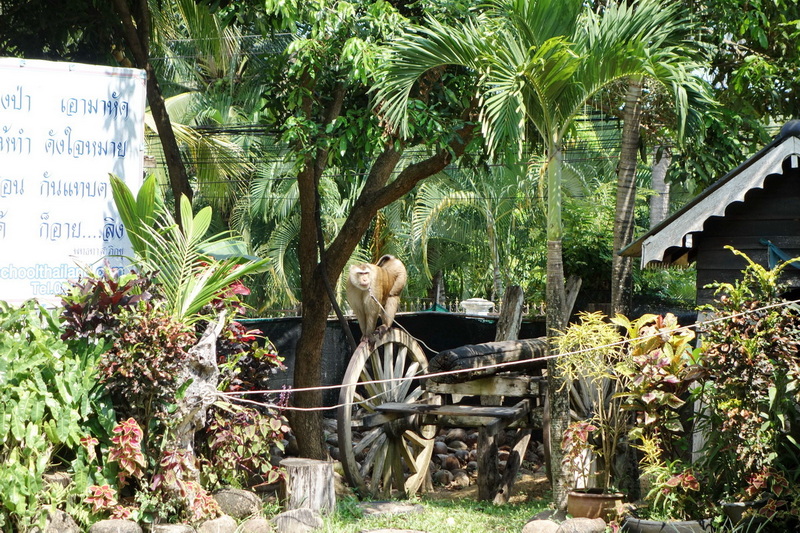
A visit to the Chiang Mai Monkey School is best approached as one part of a wider Mae Rim day rather than as an isolated stop. The route north from Chiang Mai leads into an area known for animal attractions, gardens, farms, and scenic foothill landscapes, making it possible to combine a visit with another carefully chosen experience. This approach gives travelers more flexibility and avoids trying to fit too many unrelated stops into one outing. For first-time visitors, the most useful plan is not simply to ask where a show takes place. It is to consider the character of the attraction, the travel time between stops, the comfort of everyone in the group, and the way animals are treated. This Chiang Mai Monkey School Travel Guide focuses on practical planning for a day tour, with particular attention to the visitor experience and responsible observation. The guide also places the school alongside two nearby possibilities, Tiger Kingdom Chiang Mai and Chiang Mai Orchid Farms. Availability, entry arrangements, and daily presentations can change, so travelers should confirm current information directly before setting out. The suggestions below are intended to help shape a sensible route, not to promise a fixed schedule.
Understanding the Chiang Mai Monkey School Visit
The Chiang Mai Monkey School Mae Rim is an animal-focused attraction where visitors may learn about trained monkeys and observe demonstrations or presentations. The exact content and format of a Chiang Mai Monkey Show can vary, so it is wise to treat any advertised performance as an opportunity to observe rather than as the sole reason for the journey. Travelers should check current arrangements, permitted visitor behavior, and whether demonstrations are taking place on their chosen date.
A good visit begins with realistic expectations. This is not the same as entering a large city zoo with extensive exhibits, shaded paths, and a full-day collection of species. The school is more focused in character, and the experience may be relatively short compared with a broader wildlife attraction. That can be an advantage for a day tour because it leaves time for one or two additional stops without making the day feel rushed.
Visitors should watch quietly, keep a considerate distance where requested, and follow staff instructions about feeding, touching, photography, and movement around the animals. Avoiding loud reactions or attempts to attract an animal's attention helps create a calmer environment. If a presentation raises questions about training or welfare, observe critically and choose not to participate in activities that feel uncomfortable. Respectful tourism includes the freedom to enjoy an attraction thoughtfully rather than accepting every interaction offered.
How to Build a Balanced Chiang Mai Day Tour
A practical Chiang Mai Day Tour involving the monkey school usually works best when it has a simple structure: one primary animal attraction, one nearby secondary stop, a meal break, and enough travel margin for changing conditions. Starting with the attraction that matters most to your group can reduce stress, especially when children, older travelers, or photography enthusiasts need a comfortable pace. The remaining time can then be used for a garden, educational venue, or quiet scenic stop.
Before leaving Chiang Mai, decide whether your priority is animal education, family entertainment, photography, or a relaxed northern excursion. These goals lead to different choices. Someone interested in animal behavior may prefer a shorter visit followed by a conversation about conservation and responsible tourism. A family may value a manageable attraction and a shaded place to rest. Independent travelers may prefer to leave open time instead of filling every hour with scheduled stops.
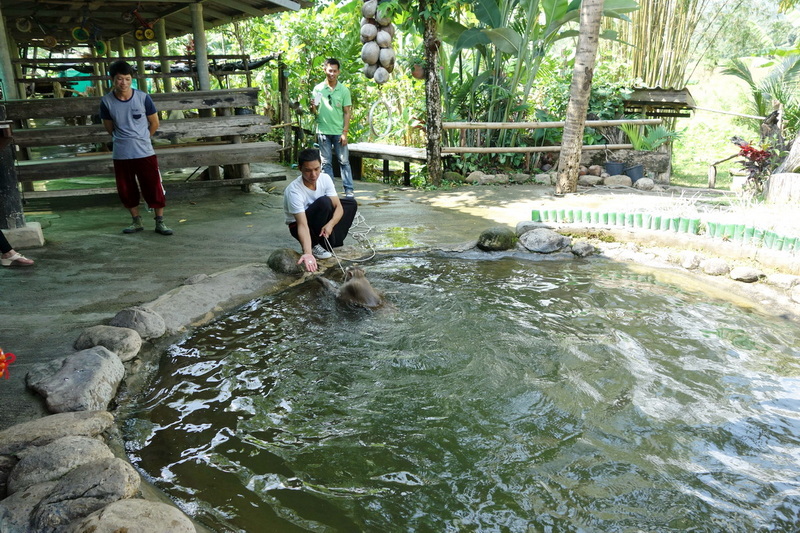
Transport planning deserves attention. Mae Rim District, Chiang Mai, covers a spread-out area, and attractions that look close on a map may still require time to reach because of traffic, entrances, and road conditions. A private vehicle or arranged driver can make it easier to adjust the order of stops, while a shared excursion may offer convenience but less control over how long you stay. Confirm the meeting point, return plan, and accessibility needs in advance, and carry water, sun protection, and modest clothing suitable for an outdoor setting.
Do not measure a successful day by the number of places visited. A route with one meaningful animal attraction and one complementary stop often feels more enjoyable than a crowded itinerary. Leave a buffer for lunch, rest, unexpected delays, and the possibility that a presentation or facility is unavailable. This planning style is especially helpful for first-time international visitors who may not yet know how quickly a northern Chiang Mai outing can unfold.
Placing the School Among Chiang Mai Zoos and Animal Attractions
The phrase Chiang Mai Zoos covers a variety of experiences, from larger zoological settings to small specialist attractions and animal-related farms. They do not all provide the same educational value, visitor facilities, or approach to animal contact. Comparing them by size alone can be misleading. Instead, consider what you will actually observe, how much walking is involved, whether animals have space to retreat, and whether information about their care is clearly presented.
The monkey school can suit travelers who want a focused stop connected with local tourism around Mae Rim. It may be less suitable for visitors expecting a large collection of species or a long natural-history visit. Those expectations are important because disappointment often comes from choosing an attraction for its name rather than its actual format. Read current descriptions carefully and ask practical questions before paying for entry or arranging transport.
A responsible visitor also looks beyond the entertainment value of an animal presentation. Notice whether animals appear able to rest away from visitors, whether handling is optional or pressured, and whether staff encourage calm behavior. Do not reward unsafe or stressful interactions with participation. Where an attraction provides educational context, take time to learn about the species and the local environment. These small choices help shift the experience from spectacle toward observation and understanding.
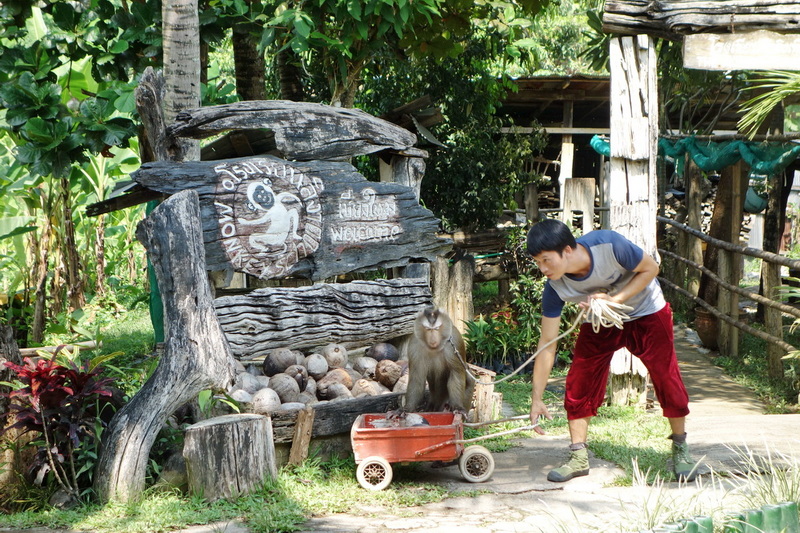
If your group includes young children, explain beforehand that animals are not toys or photo props. Set rules about noise, touching, food, and flash photography, then model those rules yourself. Older children can be invited to compare the behaviors they observe with the information provided by staff. This turns a short visit into a more thoughtful learning experience without requiring the attraction to function like a formal classroom.
Three Practical Route Ideas for Mae Rim
The first route is the focused half-day extension. Visit the monkey school as the main stop, pause for a meal in the Mae Rim area, and return to Chiang Mai without adding another animal attraction. This option is useful for travelers with an evening commitment, for groups that prefer a slower pace, or for anyone uncertain about how much time the school visit will require. It also leaves room for a spontaneous viewpoint or café without turning the plan into a checklist.
The second route combines the school with Tiger Kingdom Chiang Mai. This pairing creates a day centered on animal attractions, but it requires careful thought about whether the two experiences fit your group's ethical preferences. Review the current visitor policies of both places and decide in advance which activities you will and will not join. Allow enough time between stops for transport and reflection rather than assuming that two attractions automatically make a better day.
The third route combines the school with Chiang Mai Orchid Farms. This creates a gentler contrast between an animal-focused visit and a plant-oriented stop. Orchid collections can provide a quieter change of pace, while flowers and cultivated landscapes offer different photographic subjects from a performance or animal presentation. Confirm that the farm you intend to visit is open to visitors and that its location fits your route before relying on it as the day's second stop.
Whichever route you choose, keep the order adaptable. Weather, traffic, energy levels, and changes to attraction arrangements can affect the day. A driver or guide should not be expected to guarantee every activity, and travelers should be prepared to substitute rest for a stop if conditions become uncomfortable. Flexibility is not a failure of planning; it is often what makes a day in Mae Rim feel calm.
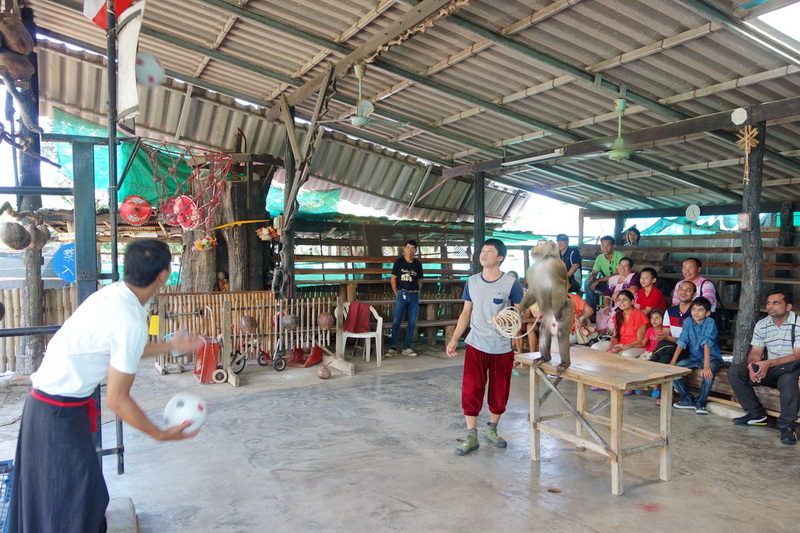
A Respectful Monkey School Visitor Guide
Use this Monkey School Visitor Guide as a checklist before departure. Confirm the attraction's current opening information and presentation arrangements through a reliable source. Check the weather, choose breathable clothing, bring drinking water, and carry small essentials such as sunscreen and insect protection. If anyone in your group has mobility limitations, ask about surfaces, stairs, seating, and walking distances before finalizing the route.
During the visit, follow posted instructions and listen to staff explanations. Keep personal belongings secure, especially around animals that may be curious or quick-moving. Ask before taking close photographs, and never use food or gestures to provoke a reaction. If children are present, maintain active supervision rather than assuming that a short demonstration is automatically safe for unsupervised viewing.
Afterward, discuss what you saw rather than treating the visit only as a photograph opportunity. You might consider what the animals were being asked to do, what information was provided about their care, and how the experience compared with your expectations. If the presentation feels uncomfortable, it is acceptable to observe briefly, leave, and share feedback through appropriate channels. Responsible travel includes making informed choices even when an attraction is popular.
Finally, remember that Mae Rim is a living community, not just a collection of tourist stops. Keep voices moderate near local areas, dispose of waste properly, respect staff and residents, and avoid blocking entrances or roads for photographs. A considerate visitor helps preserve a welcoming atmosphere for future travelers while showing respect for the region beyond its attractions.
Nearby Attractions
Tiger Kingdom Chiang Mai
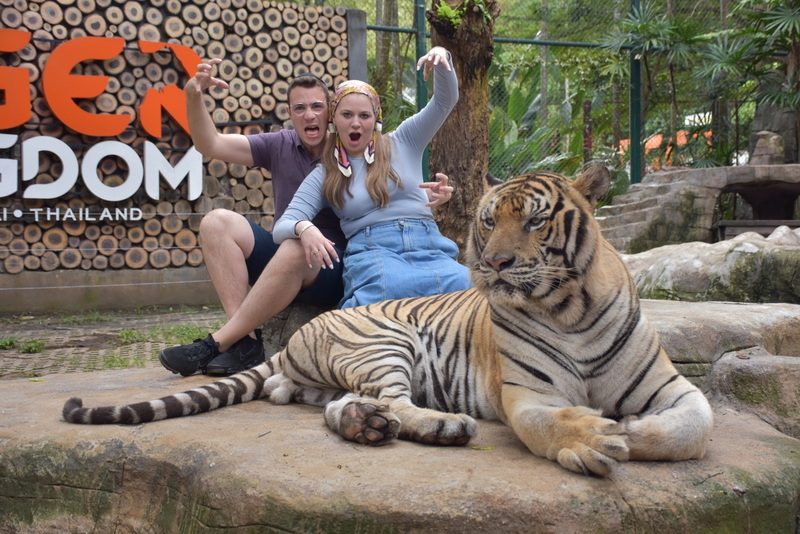
Tiger Kingdom Chiang Mai can be considered as a separate animal-focused stop on a Mae Rim itinerary. Because experiences involving large predators raise particular welfare and safety questions, review the current visitor rules and animal-care information before deciding whether it suits your group. Do not assume that every available interaction is necessary for a worthwhile visit; observation without direct contact may be the more comfortable choice for some travelers.
When pairing it with the monkey school, keep the route selective and allow time for transport, meals, and discussion. Two animal attractions can feel repetitive if the itinerary is rushed, so decide what each stop contributes. The combination works best for visitors who are genuinely interested in comparing different educational and visitor approaches, not simply collecting photographs.
Chiang Mai Orchid Farms
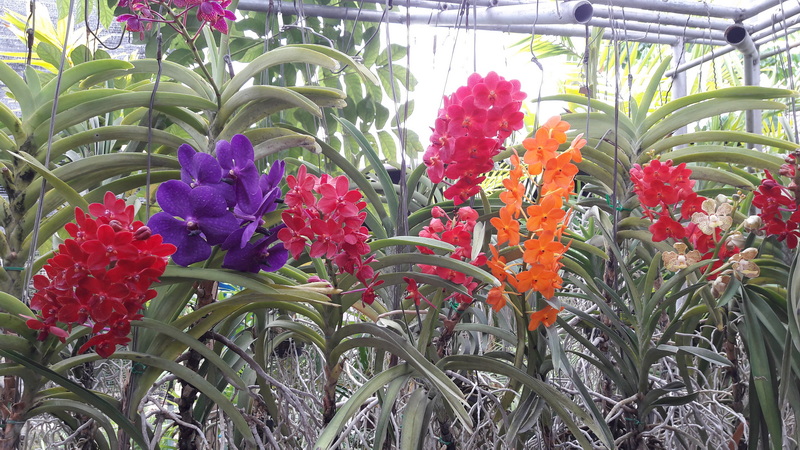
Chiang Mai Orchid Farms offers a contrasting possibility for a day in Mae Rim, shifting attention from animal presentations to cultivated plants, color, and horticultural interest. An orchid stop may provide a calmer middle section in the day, particularly for travelers who want a less intense experience after visiting the monkey school. It can also suit mixed groups in which not everyone wants to visit multiple animal attractions.
Check the current visitor arrangements and location before setting out, then allow time to look carefully rather than treating the farm as a quick photograph stop. Orchids are part of the wider northern Thai garden and agricultural landscape, and observing them can add variety to a route focused on attractions. Keep the visit unhurried and respect any cultivation areas or staff guidance.
Looking Ahead to Your Visit
A well-planned visit to the Chiang Mai Monkey School does not need a crowded schedule. Choose one clear purpose, confirm current arrangements, select only one complementary attraction, and leave enough time for comfort and reflection. Whether you pair the school with Tiger Kingdom Chiang Mai, Chiang Mai Orchid Farms, or no second stop at all, respectful observation should guide the day. With flexible transport planning and realistic expectations, a Mae Rim excursion can be informative, manageable, and more rewarding than a rushed tour of every available attraction.
