Exploring Doi Suthep Temple with Day and Combined Tours in Chiang Mai
A practical visitor guide to Chiang Mai’s must-visit temple and nearby cultural sites with flexible tour options
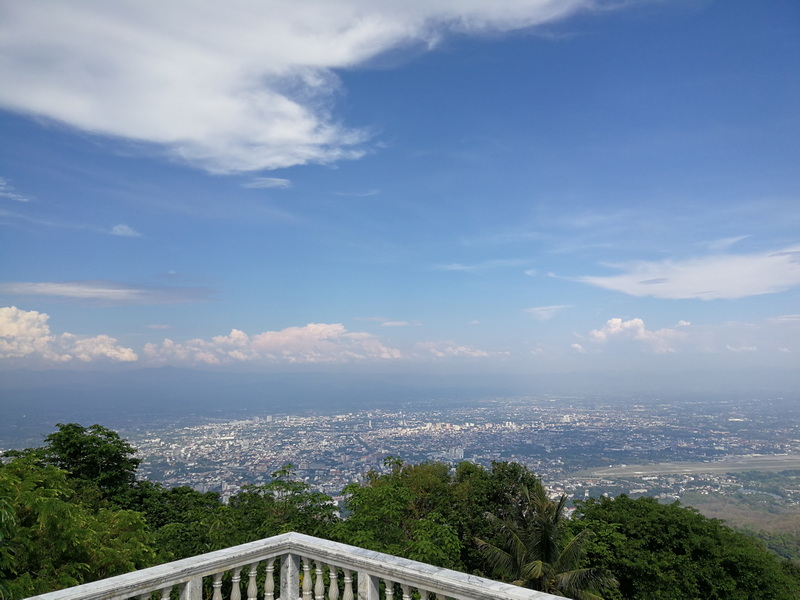
Wat Phra That Doi Suthep stands as one of the most revered and iconic temples in northern Thailand. Located in Muang Chiang Mai, this temple is a spiritual landmark that draws travelers seeking cultural insight and breathtaking views of the city below. Recognized as a must-visit temple in Chiang Mai, it offers a rich blend of history, architecture, and religious significance that captivates first-time visitors and seasoned travelers alike. Visitors planning their trip often look for accessible options such as the Doi Suthep day tour or combined excursions that include nearby attractions like Doi Pui. These tours provide a convenient way to experience the temple’s spiritual ambiance alongside other cultural highlights, making the most of a day in Chiang Mai’s mountainous surroundings. This guide focuses on practical information for travelers prioritizing key temples and combined sightseeing experiences. In addition to the temple itself, the surrounding area features notable nearby sites such as Wat Pha Lad and the Hmong Doi Pui Village. Including these destinations in a combined itinerary enriches the visit by offering a broader understanding of local heritage and community life. This article aims to equip travelers with essential insights and planning tips to confidently explore Doi Suthep temple and its cultural neighborhood.
Why Doi Suthep Temple Is a Must-Visit in Chiang Mai
Wat Phra That Doi Suthep is often regarded as one of the most important temples in northern Thailand due to its religious significance and commanding location. Situated on Doi Suthep mountain, the temple serves as a spiritual center for Buddhists and a symbol of Chiang Mai’s Lanna heritage. Its golden chedi, or stupa, is visible from much of the city, attracting visitors who come to pay respects and admire the intricate craftsmanship. Travelers researching Must Visit Temples Chiang Mai can use these details when planning the trip.
The temple’s history dates back to the 14th century, and it is believed to house a relic of the Buddha, which adds to its sacred status. Pilgrims and tourists alike ascend the staircase adorned with mythical naga serpents, which enhances the experience with a sense of tradition and reverence. The panoramic views from the temple grounds provide a serene backdrop, inviting reflection and appreciation of the natural beauty surrounding Chiang Mai.
For many travelers, visiting Doi Suthep temple is not only about seeing an architectural marvel but also about engaging with the spiritual atmosphere that permeates the site. Its accessibility from the city, combined with the cultural richness and scenic vistas, firmly establishes it as one of the must-visit temples in Chiang Mai.
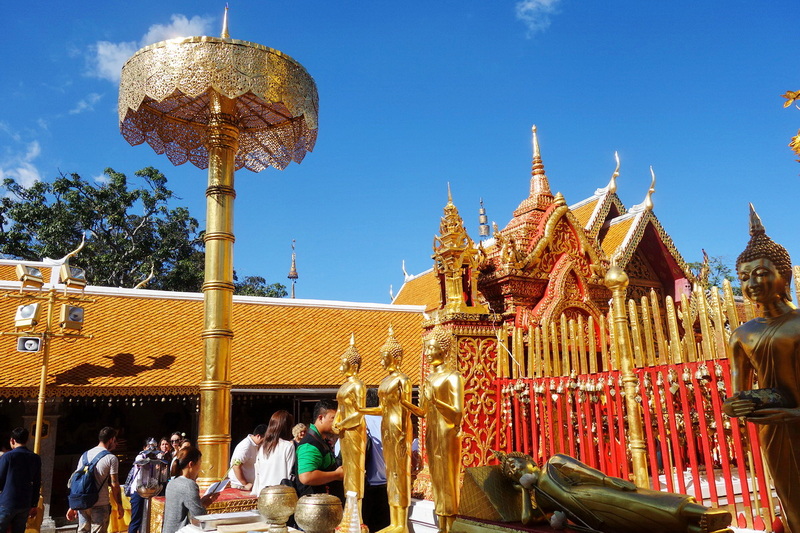
Doi Suthep Day Tour and Combined Doi Suthep and Doi Pui Tour Options
Travelers aiming to explore Doi Suthep temple often consider the Doi Suthep day tour as a straightforward way to experience the temple and its surroundings within a single day. These tours typically include transportation from central Chiang Mai and guided visits that provide historical context and cultural insights. The convenience and focused itinerary make this option ideal for first-time visitors who want a comprehensive yet manageable experience.
For those interested in expanding their cultural exploration, the combined Doi Suthep and Doi Pui tour offers an extended itinerary that includes visits to both the temple and the nearby Doi Pui Village. Doi Pui is known for its Hmong hill tribe community and traditional crafts, offering travelers a glimpse into local ethnic heritage and lifestyle. This combined tour provides a balanced mix of spiritual, cultural, and natural highlights, making it a popular choice for travelers seeking a fuller day of discovery.
When planning either type of tour, it is helpful to consider factors such as the time of day, weather conditions, and personal interests. Early morning visits to Doi Suthep often provide a quieter atmosphere and cooler temperatures, while afternoon tours can be paired with sunset views. Combining temple visits with nearby attractions maximizes the cultural value of the trip and supports local communities.
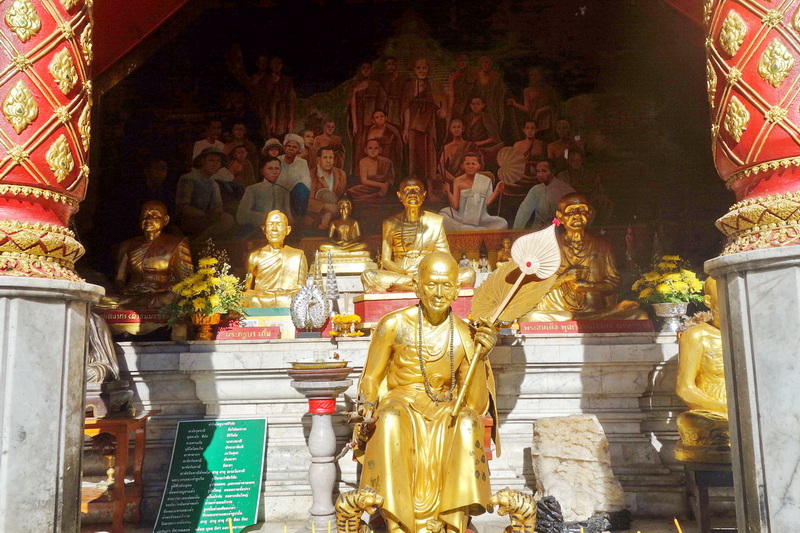
Visitor Tips for Exploring Doi Suthep Temple and Nearby Attractions
Respectful behavior is essential when visiting Wat Phra That Doi Suthep, as it remains an active place of worship. Visitors should dress modestly, covering shoulders and knees, and remove shoes before entering temple buildings. Photography is generally allowed in outdoor areas but may be restricted inside certain shrines, so it is important to observe posted signs and follow local customs.
The climb up the staircase to the temple can be physically demanding for some, so comfortable footwear and hydration are recommended. Alternatively, a tram service is available for those who prefer a less strenuous ascent. Taking time to pause and appreciate the intricate details of the temple’s architecture and the surrounding natural environment enhances the overall experience.
When combining a visit to Wat Phra That Doi Suthep with nearby sites such as Wat Pha Lad and Hmong Doi Pui Village, travelers should allocate sufficient time to appreciate each location without rushing. These nearby attractions provide valuable insights into local history, spirituality, and community life, complementing the temple visit with broader cultural context.
Understanding the Cultural and Historical Context of Doi Suthep and Its Surroundings
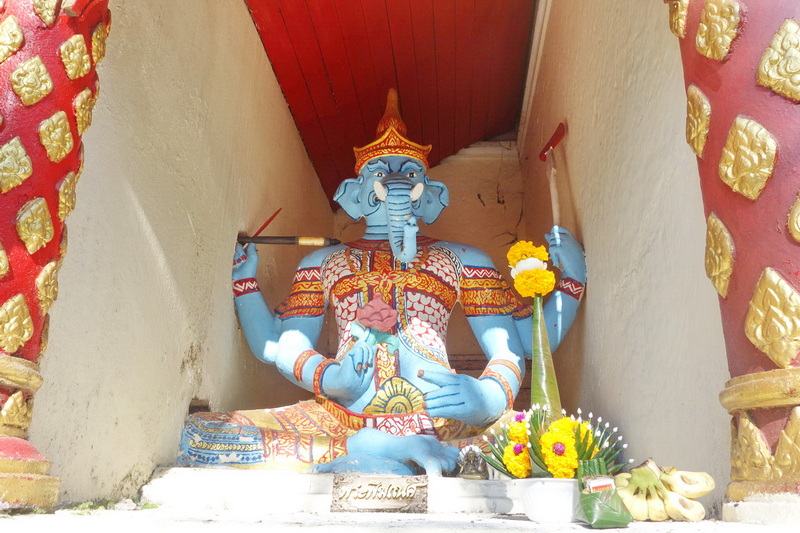
The cultural significance of Doi Suthep temple extends beyond its physical presence. It embodies the spiritual heart of Chiang Mai and reflects centuries of religious devotion and regional identity. The temple’s design incorporates traditional Lanna architectural elements, which distinguish it from temples in other parts of Thailand and highlight the unique cultural heritage of northern Thailand.
Nearby, Wat Pha Lad offers a contrasting experience with its forest monastery atmosphere and tranquil meditation spaces. This site emphasizes monastic life and spiritual practice in a natural setting, providing a quieter complement to the more frequented Doi Suthep temple. Visitors interested in Buddhist culture and meditation will find this location enriching.
Hmong Doi Pui Village showcases the living traditions of the Hmong hill tribe community, whose ancestors migrated to the region centuries ago. The village presents opportunities to learn about traditional crafts, textiles, and agricultural practices, fostering deeper appreciation for the diverse cultural tapestry surrounding Chiang Mai. Together, these sites contribute to a holistic understanding of the area’s spiritual and cultural landscape.
Nearby Attractions
Wat Pha Lad
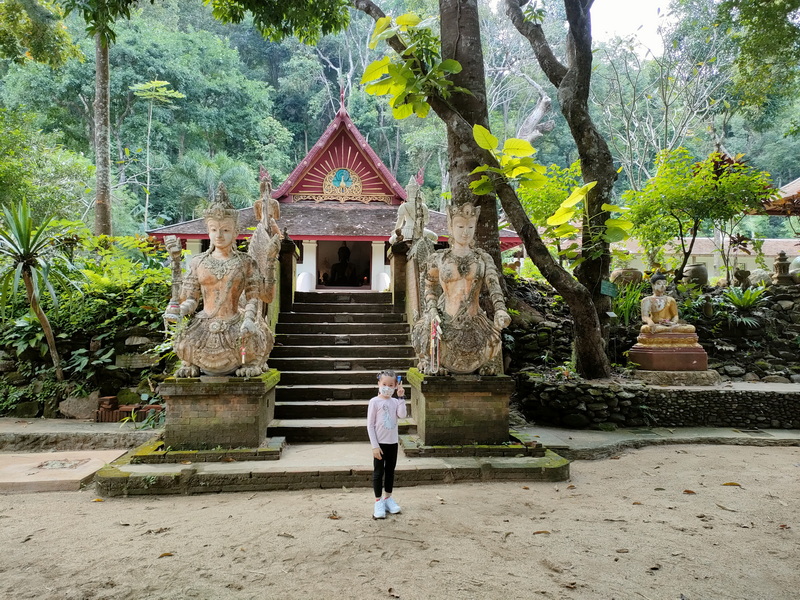
Wat Pha Lad is a serene forest temple located near Doi Suthep that offers a peaceful retreat into nature and Buddhist monastic traditions. Surrounded by dense jungle, it provides a quiet setting for meditation and reflection, contrasting with the more bustling atmosphere of Wat Phra That Doi Suthep.
The temple is known for its ancient stone stairway lined with naga serpents, which leads visitors through lush greenery and peaceful surroundings. Wat Pha Lad is favored by those seeking a more contemplative experience and an opportunity to observe monks engaged in their daily spiritual practices.
Hmong Doi Pui Village
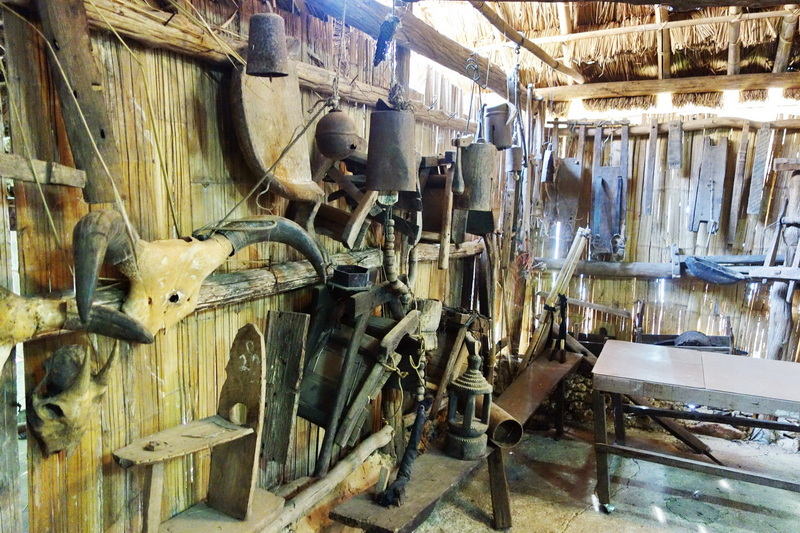
Hmong Doi Pui Village is a traditional hill tribe community situated near Doi Suthep mountain. The village offers visitors insight into the customs, clothing, and crafts of the Hmong people, who have maintained their cultural heritage despite modernization.
Visitors can explore local markets featuring handmade textiles and enjoy the village’s scenic mountain environment. Including Hmong Doi Pui Village in a combined tour with Doi Suthep temple enriches the cultural experience by highlighting the diversity of ethnic communities in northern Thailand.
Looking Ahead to Your Visit
Visiting Doi Suthep temple in Muang Chiang Mai is an essential experience for travelers seeking to connect with northern Thailand’s spiritual and cultural heritage. Whether opting for a focused Doi Suthep day tour or a combined itinerary including Doi Pui and nearby cultural sites, visitors can tailor their trip to match their interests and schedule. Respectful engagement with the temple and local communities enhances the visit, allowing travelers to appreciate the depth of tradition and natural beauty in this region. Thoughtful planning ensures a rewarding and memorable exploration of one of Chiang Mai’s most treasured landmarks.
