Ethical Hill Tribe Tours Northern Thailand with Doi Pui Hmong Village
Discover responsible travel practices and cultural insights on combined Doi Suthep day tours and visits to the Hmong Doi Pui Village
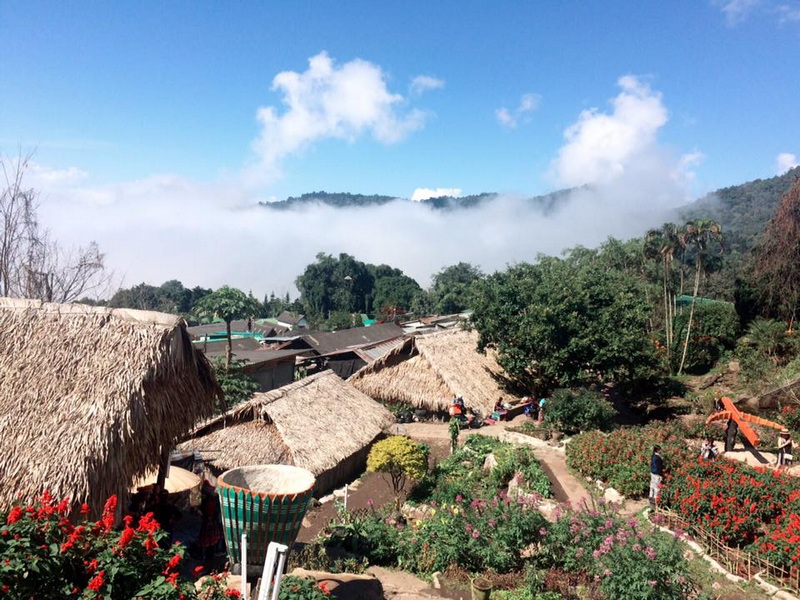
Travelers seeking authentic cultural experiences in Northern Thailand increasingly value ethical hill tribe tours that respect local communities and traditions. The Hmong Doi Pui Village, nestled near Chiang Mai, offers a unique opportunity to engage with the indigenous Hmong people while supporting sustainable tourism. Combining visits to this village with a Doi Suthep day tour provides a balanced itinerary that highlights both cultural heritage and natural beauty. Ethical tourism emphasizes dignity, consent, and respect for indigenous peoples, encouraging visitors to learn with sensitivity and mindfulness. The Doi Suthep and Doi Pui tour is designed to foster understanding of the hill tribe culture alongside the spiritual significance of nearby sacred sites. This approach ensures that tourism benefits local livelihoods and preserves cultural identity without commodification. This article explores how travelers can experience the Hmong Doi Pui Village responsibly, outlines the structure of combined tours with Doi Suthep, and offers guidance on visitor behaviors that honor the community and environment. Additionally, we highlight nearby attractions worth visiting to enrich your journey through Muang Chiang Mai’s cultural landscape.
Understanding Ethical Hill Tribe Tours Northern Thailand
Ethical hill tribe tours prioritize respect for indigenous communities by ensuring that tourism activities do not disrupt or exploit their way of life. In Northern Thailand, where many hill tribe groups such as the Hmong, Karen, and Lisu reside, ethical tourism involves engaging with these cultures through informed, consent-based interactions. Visitors are encouraged to approach these experiences with cultural sensitivity, recognizing the value of intangible heritage and avoiding behaviors that exoticize or commodify the people or their traditions. Travelers researching Ethical Hill Tribe Tours Northern Thailand can use these details when planning the trip.
Tours that follow ethical principles often collaborate directly with local communities, providing income opportunities that support education, healthcare, and cultural preservation. This model contrasts with mass tourism, which can lead to cultural dilution and environmental degradation. By choosing ethical hill tribe tours, travelers contribute to sustaining local livelihoods while gaining meaningful insights into indigenous customs, crafts, and daily life.
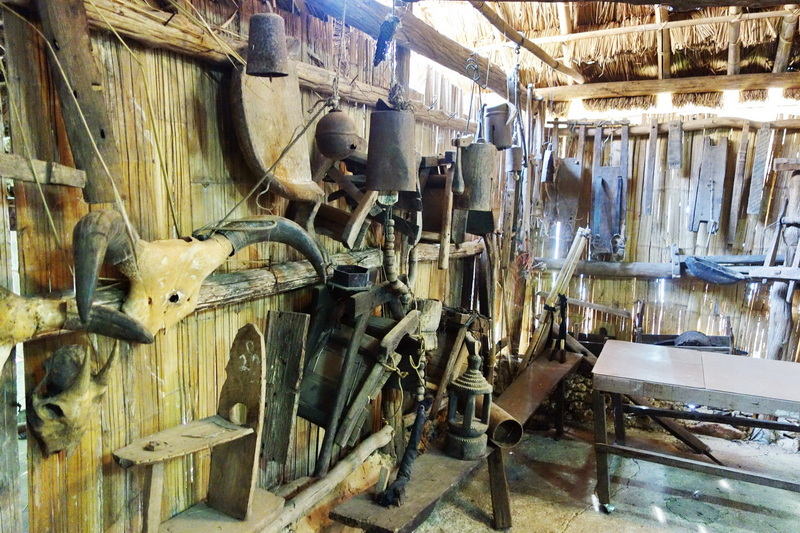
The Hmong Doi Pui Village exemplifies such an ethical tourism destination. Located on the slopes near Chiang Mai, this village invites visitors to learn about Hmong history, traditional dress, weaving techniques, and agricultural practices in a way that respects the community’s autonomy and dignity. Ethical tours here emphasize cultural exchange over mere sightseeing, fostering genuine understanding and appreciation.
Exploring the Doi Suthep Day Tour Experience
The Doi Suthep day tour is a popular itinerary that combines natural beauty with spiritual significance. Mount Doi Suthep rises prominently near Chiang Mai and is home to Wat Phra That Doi Suthep, one of Northern Thailand's most revered temples. This sacred site offers panoramic views of the city and serves as a center for Buddhist worship and local festivals.
A typical Doi Suthep day tour includes a visit to the temple complex, where visitors can observe religious rituals, admire intricate architecture, and learn about the temple’s history and symbolism. The tour often incorporates a gentle hike or a scenic drive up the mountain, allowing travelers to appreciate the lush forest environment that surrounds the area.
Combining the Doi Suthep visit with a stop at the Hmong Doi Pui Village enriches the experience by adding cultural depth. After immersing oneself in the spiritual atmosphere of the temple, travelers can engage with the hill tribe community nearby, creating a well-rounded day that balances religious heritage and indigenous culture.
Combined Doi Suthep and Doi Pui Tour: A Responsible Itinerary
The combined Doi Suthep and Doi Pui tour is designed to provide travelers with an integrated experience that respects both the sacred and cultural dimensions of the region. This tour typically starts with the morning visit to Wat Phra That Doi Suthep, allowing time to explore the temple grounds, participate respectfully in ceremonies if desired, and enjoy the natural surroundings.
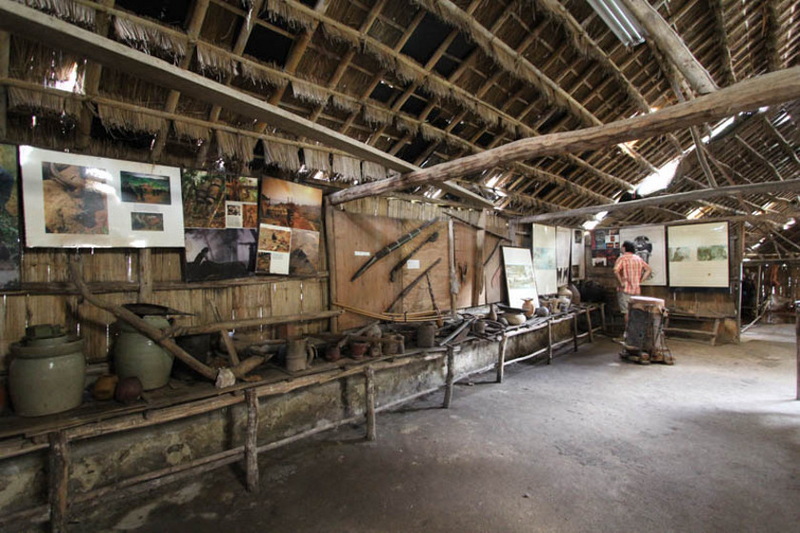
Following the temple visit, the tour proceeds to the Hmong Doi Pui Village, located a short distance away. Here, visitors meet local Hmong families who maintain traditional lifestyles, including weaving, farming, and handicraft production. Community members often welcome guests into their homes or workshops, sharing stories and demonstrating their crafts in a manner that honors their cultural heritage.
Responsible tour operators ensure that visits to the village follow ethical guidelines, such as seeking permission before photographing individuals, avoiding overcrowding, and purchasing authentic handmade products directly from artisans. This helps sustain local economies and empowers the community without turning cultural practices into mere tourist spectacles.
The combined tour encourages travelers to reflect on the interconnectedness of cultural preservation and environmental stewardship, as both the temple and the village depend on the health of the surrounding forested landscape. By participating in this carefully planned itinerary, visitors contribute positively to the region’s social and ecological well-being.
Visitor Responsibilities and Cultural Respect in Hill Tribe Tours
Engaging in ethical hill tribe tours requires visitors to adopt a respectful mindset and behavior that honors the dignity and traditions of indigenous peoples. Before visiting the Hmong Doi Pui Village or any similar community, travelers should educate themselves about local customs, appropriate dress codes, and social norms to avoid unintended offenses.
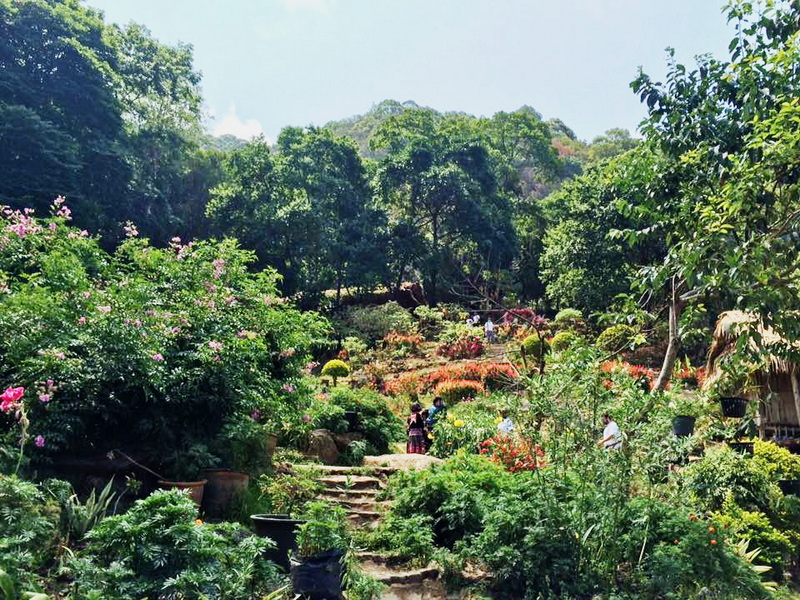
Photography is a sensitive issue; it is essential to always ask for permission before taking pictures of individuals or their property. Many community members appreciate being asked, which fosters trust and mutual respect. Avoiding intrusive or disrespectful questions about beliefs or lifestyles is also crucial to maintaining a positive atmosphere.
Purchasing handicrafts directly from artisans ensures that income goes to the community rather than intermediaries. Visitors should be cautious of mass-produced souvenirs that may dilute or misrepresent traditional crafts. Supporting community-led initiatives and cooperatives is a practical way to contribute to sustainable development.
Respect for the natural environment is equally important. Staying on designated paths, not littering, and minimizing noise helps protect the fragile mountain ecosystem around Doi Pui and Doi Suthep. Responsible tourists understand that their presence impacts both the cultural and ecological fabric of the region and act accordingly to minimize negative effects.
Nearby Attractions
Wat Phra That Doi Suthep
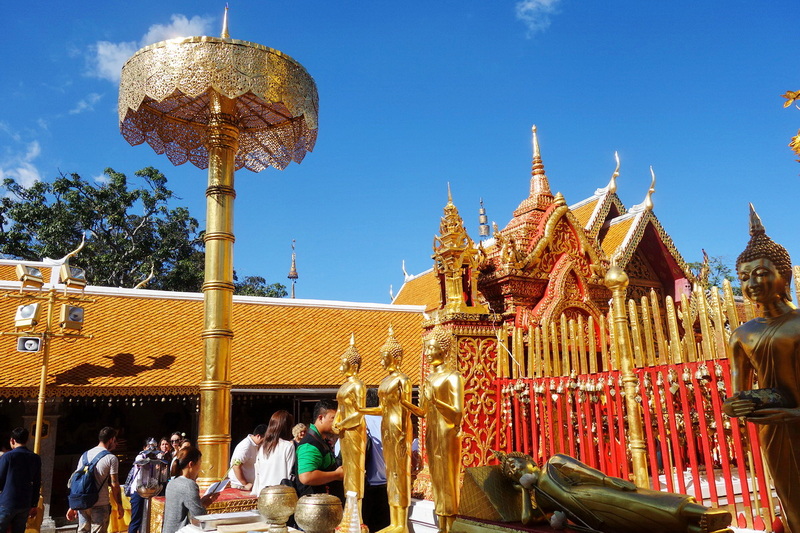
Wat Phra That Doi Suthep is a sacred Buddhist temple located on Doi Suthep mountain, overlooking Chiang Mai. It is one of the most important pilgrimage sites in Northern Thailand and draws visitors with its golden chedi, intricate carvings, and vibrant murals depicting Buddhist teachings.
The temple complex is accessible by a stairway adorned with naga serpent sculptures or by a scenic cable car, offering stunning views of the surrounding forest and cityscape. Visitors can witness monks performing rituals, participate in merit-making ceremonies, or simply enjoy the peaceful atmosphere.
As a revered religious site, visitors should dress modestly and behave respectfully while exploring the temple grounds. Wat Phra That Doi Suthep provides a spiritual complement to cultural tours of the nearby hill tribe villages, enriching the understanding of Northern Thai heritage.
Khun Chang Kian Village
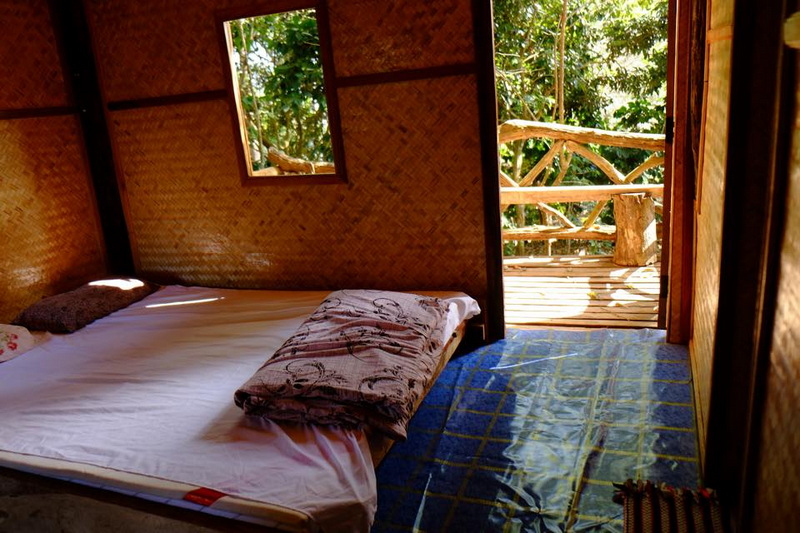
Khun Chang Kian Village is a rural community situated near Doi Suthep and the Hmong Doi Pui Village, known for its agricultural landscape and local way of life. The village offers visitors a glimpse into traditional farming practices and the chance to experience a quieter side of Northern Thailand’s mountainous region.
Visitors can explore flower gardens, vegetable farms, and small markets selling fresh produce and handmade goods. The village environment provides opportunities for gentle hikes and nature walks, allowing travelers to connect with the natural surroundings and understand the relationship between local livelihoods and the environment.
Khun Chang Kian Village is an excellent addition to a responsible itinerary, complementing cultural visits with insights into rural community life and sustainable agriculture in the Chiang Mai area.
Looking Ahead to Your Visit
Choosing ethical hill tribe tours in Northern Thailand, especially those that combine the cultural richness of the Hmong Doi Pui Village with the spiritual heritage of Doi Suthep, offers travelers a meaningful way to explore this region. By approaching these experiences with respect, sensitivity, and a commitment to responsible behavior, visitors support indigenous communities and contribute to preserving their culture and environment. Whether admiring the golden temple spires or learning traditional crafts, every step taken with awareness strengthens the bond between traveler and host, ensuring that Northern Thailand’s unique heritage endures for generations to come.

No comments:
Post a Comment