Traditional Lanna Dinner Tour Chiang Mai Featuring Khum Khantoke
Experience authentic Lanna culture through evening dining and activities near Wat Jed Yod and Nimmanhaemin road
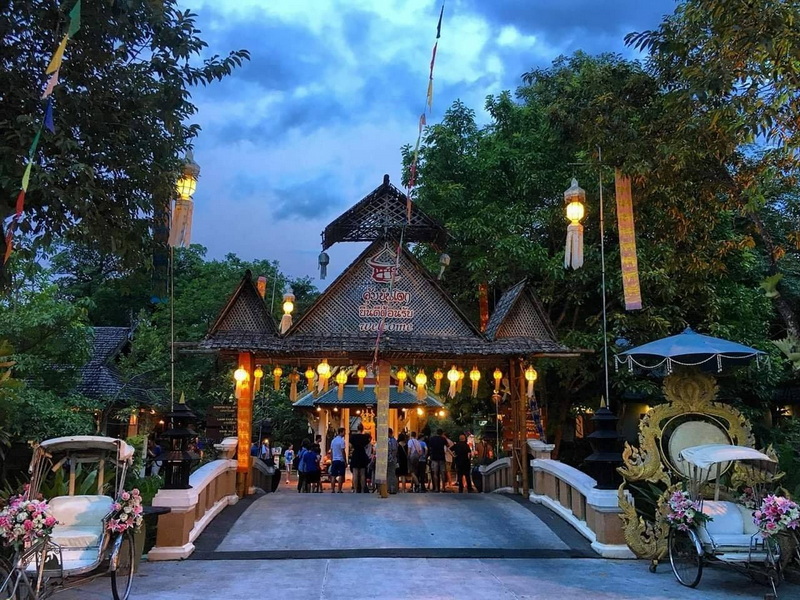
Chiang Mai offers a unique window into northern Thailand’s rich cultural heritage through its traditional Lanna dinner tours, where the Khum Khantoke experience stands out as a highlight. These tours provide visitors with an immersive opportunity to savor authentic northern Thai cuisine served in the distinctive Khantoke style—meals presented on low, round wooden trays surrounded by traditional seating. Beyond the meal itself, Khum Khantoke dining is intertwined with cultural performances that showcase Lanna music and dance, creating an enchanting evening of heritage and hospitality. Situated in Muang Chiang Mai, Khum Khantoke dinner venues are often conveniently located near vibrant evening hubs such as Wat Jed Yod and Nimmanhaemin road. These areas not only enrich the dining experience with their lively night atmospheres but also offer visitors additional activities to explore before or after dinner. By combining traditional culinary delights with evening cultural outings, travelers can enjoy a multifaceted glimpse into Chiang Mai’s local life and customs. This guide will explore what to expect from a traditional Lanna dinner tour featuring Khum Khantoke, the cultural significance of this dining tradition, and the best things to do at night in Chiang Mai around key nearby attractions. Whether you are a culture-focused traveler or a tourist seeking genuine local dining experiences, understanding the essence of Khum Khantoke enriches your appreciation of northern Thailand’s living heritage.
Overview of Traditional Lanna Dinner Tours
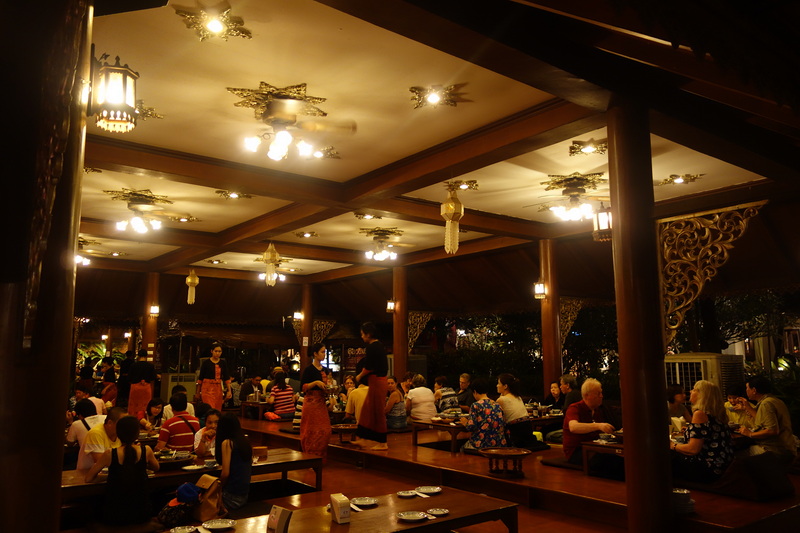
Traditional Lanna dinner tours in Chiang Mai are designed to offer an authentic taste of northern Thai culture through food, music, and atmosphere. These tours typically feature a curated menu of regional specialties, emphasizing fresh, local ingredients and age-old recipes passed down through generations. The dining setup itself is a cultural experience, with guests seated on mats or cushions around low wooden tables called khantokes, which are central to the communal style of eating in Lanna tradition.
Beyond the cuisine, these tours often include performances of traditional Lanna music and dance. Instruments like the sueng (a plucked lute) and the pi (a type of flute) accompany graceful dancers dressed in colorful, handwoven costumes. The storytelling embedded in these performances reflects the history and values of the Lanna Kingdom, which flourished in northern Thailand centuries ago. This blend of gastronomy and cultural expression makes the traditional Lanna dinner tour a memorable evening activity for visitors.
Chiang Mai Khantoke dinner experiences are carefully curated to respect and preserve these traditions without turning them into mere spectacles. Hosts and performers aim to share their living culture with warmth and dignity, inviting guests to participate in a respectful and engaging manner.
What to Expect from a Khum Khantoke Dinner in Chiang Mai
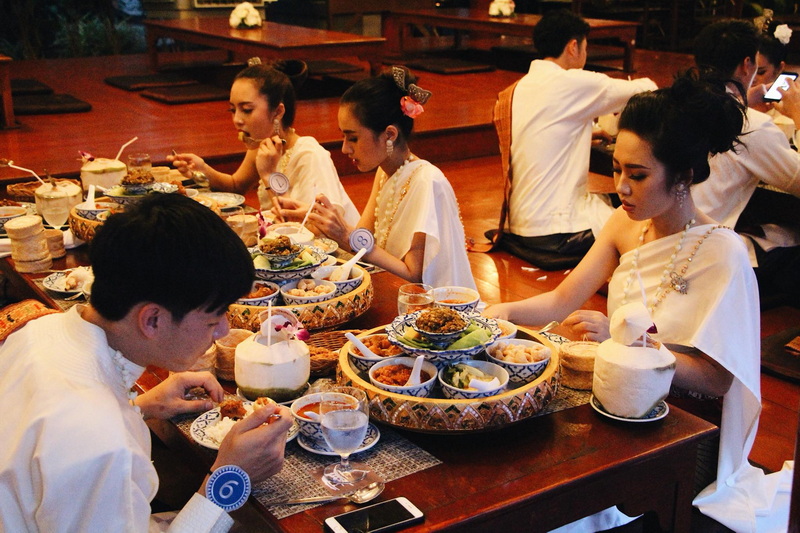
At the heart of the Khum Khantoke dinner is the khantoke tray, a circular wooden platter elevated slightly on short legs, around which diners gather to share a variety of dishes. Typical offerings include sticky rice, grilled meats, spicy salads, fresh vegetables, and rich curries, reflecting the bold and earthy flavors of Lanna cuisine. Meals are often served in small portions meant for sharing, encouraging a communal and convivial atmosphere.
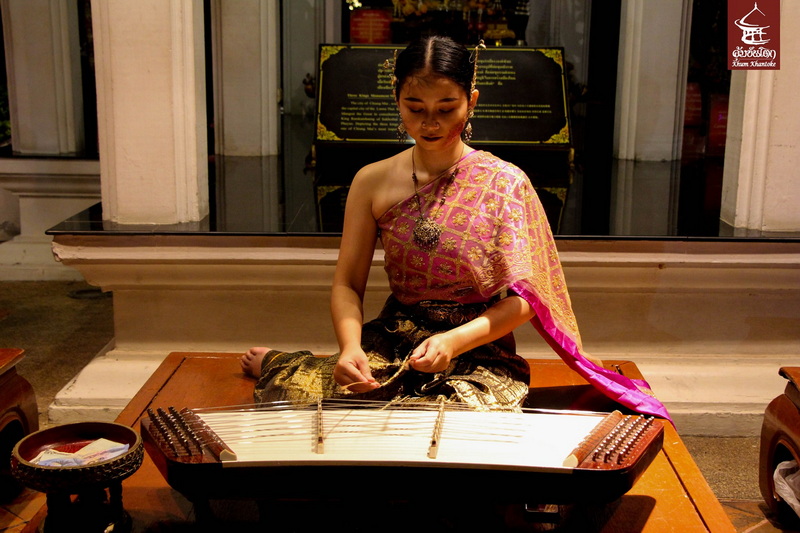
The dining experience is enhanced by the setting, which usually replicates traditional northern Thai village architecture or garden spaces, often decorated with handcrafted textiles and lanterns. This setting fosters a sense of stepping back in time to experience Lanna hospitality as it was centuries ago.
During the meal, guests are treated to cultural performances such as traditional dances, puppet shows, or musical interludes. These entertainments are not only aesthetically pleasing but also educational, offering insights into the symbolism and stories of the Lanna people. Visitors are encouraged to observe respectfully and may sometimes be invited to join simple dances or ceremonies, deepening their connection to the culture.
Overall, a Chiang Mai Khantoke dinner is more than a meal—it is an immersive cultural encounter that combines taste, sound, and sight to celebrate northern Thailand’s heritage.
Best Things To Do At Night In Chiang Mai Near Khum Khantoke
Evenings around Wat Jed Yod and Nimmanhaemin road provide excellent opportunities to extend your cultural exploration after a Khum Khantoke dinner. Wat Jed Yod is a serene temple known for its distinctive seven-spired chedi, offering a peaceful contrast to the lively night activities nearby. Visitors can enjoy tranquil walks in the temple grounds or participate in evening meditation sessions that some temples offer to the public.
Nimmanhaemin road, on the other hand, is a bustling area favored by locals and tourists alike for its trendy cafes, bars, art galleries, and boutique shops. After dining, guests can stroll along this vibrant street to experience contemporary Chiang Mai nightlife, blending modern creativity with traditional roots. The area often hosts live music and cultural events, providing a dynamic atmosphere that complements the more traditional dinner experience.
These nearby attractions allow visitors to tailor their evening to their interests, whether seeking quiet reflection or lively social scenes. Together with the Khum Khantoke dinner, they form a well-rounded itinerary showcasing the diverse facets of Chiang Mai’s evening culture.
Cultural Background of Lanna Dining and Khum Khantoke Traditions
The Lanna Kingdom, which once ruled northern Thailand from the 13th to the 18th century, left a profound cultural legacy that continues to influence the region’s customs, arts, and cuisine. One of the most enduring traditions is the Khum Khantoke dining style, which emphasizes community, respect, and harmony during meals.
The act of sharing food from a common tray symbolizes unity and cooperation among diners, reflecting broader social values in Lanna culture. The low seating arrangement fosters intimacy and equality, breaking down hierarchical barriers and encouraging conversation and bonding.
Moreover, the accompanying performances are not mere entertainment but carry ritualistic and historical significance. Traditional dances often depict stories from Buddhist mythology, local folklore, or daily rural life, preserving knowledge and values through artistic expression.
Understanding these cultural layers enriches the visitor’s experience, turning a simple dinner into a meaningful cultural exchange that honors the living traditions of northern Thailand.
What Visitors Can Expect from a Traditional Lanna Dinner Tour with Khum Khantoke
Visitors embarking on a traditional Lanna dinner tour featuring Khum Khantoke can expect an evening filled with sensory and cultural richness. The meal itself offers a taste of authentic northern Thai flavors, often unfamiliar to those accustomed to central Thai cuisine. The presentation and communal dining style create a warm and inviting atmosphere.
The cultural performances provide context and depth, illuminating the stories and heritage behind the food and customs. Guests should anticipate a respectful and educational experience, with opportunities to observe and sometimes participate in traditional activities.
The proximity to local attractions like Wat Jed Yod and Nimmanhaemin road means that the evening can be easily extended into further explorations of Chiang Mai’s night scene. Whether enjoying the quiet spiritual ambiance of a temple or the lively streets of Nimmanhaemin, visitors gain a comprehensive sense of the city’s cultural pulse after dark.
Overall, the traditional Lanna dinner tour and Khum Khantoke experience offer a balanced blend of culinary delight, cultural education, and enjoyable evening activities that leave a lasting impression.
Nearby Attractions
Wat Jed Yod
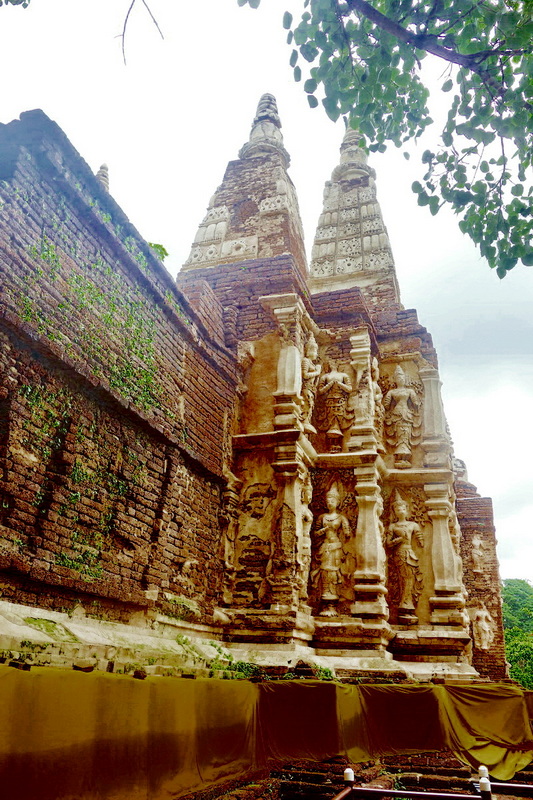
Wat Jed Yod is a unique temple in Muang Chiang Mai, renowned for its rare architectural feature: a seven-spired chedi that symbolizes sacred Buddhist teachings. The temple’s peaceful grounds provide an ideal setting for contemplation and appreciation of northern Thai religious art and history.
Visitors to Wat Jed Yod in the evening often find a tranquil refuge from the city’s bustle, with opportunities to observe local worshippers and sometimes participate in meditation or prayer sessions. Its proximity to Khum Khantoke dinner venues makes it a complementary cultural stop before or after enjoying traditional Lanna dining.
Nimmanhaemin road
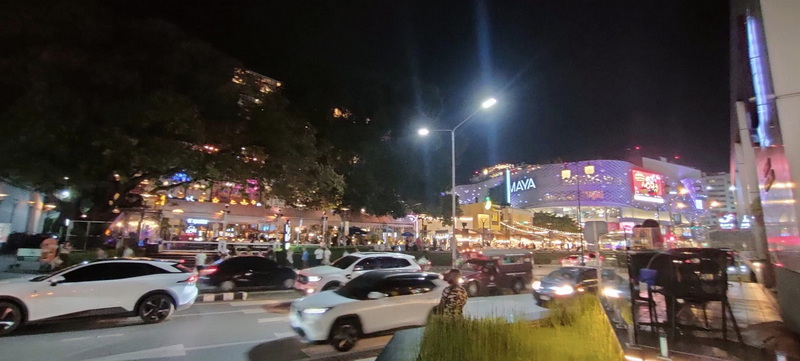
Nimmanhaemin road is one of Chiang Mai’s trendiest districts, known for its vibrant nightlife, creative energy, and eclectic mix of shops, cafes, and galleries. The street attracts a youthful crowd, including artists, students, and tourists, making it a lively contrast to the traditional atmosphere of Khum Khantoke dining.
After an evening meal, visitors can explore Nimmanhaemin’s diverse offerings, from live music venues and stylish bars to quaint coffee shops and artisan boutiques. The area also regularly hosts cultural events and exhibitions, bridging contemporary local culture with Chiang Mai’s rich heritage.
Looking Ahead to Your Visit
Experiencing a Traditional Lanna Dinner Tour Chiang Mai with a Khum Khantoke dinner is a journey into the heart of northern Thai culture. This immersive evening not only delights the palate with regional flavors but also opens a window into the living traditions of the Lanna people through music, dance, and communal dining. Complemented by the nearby attractions of Wat Jed Yod and Nimmanhaemin road, visitors can enjoy a well-rounded evening that balances cultural depth with lively local ambiance. For travelers seeking meaningful and authentic experiences, this cultural dining tour offers a respectful and engaging way to connect with Chiang Mai’s heritage and contemporary spirit.

No comments:
Post a Comment