Chiang Mai Flying Paramotor A Practical Guide to Eastern Chiang Mai Adventure
Use an aerial experience, local stops, and flexible pacing to shape a rewarding San Kamphaeng adventure day
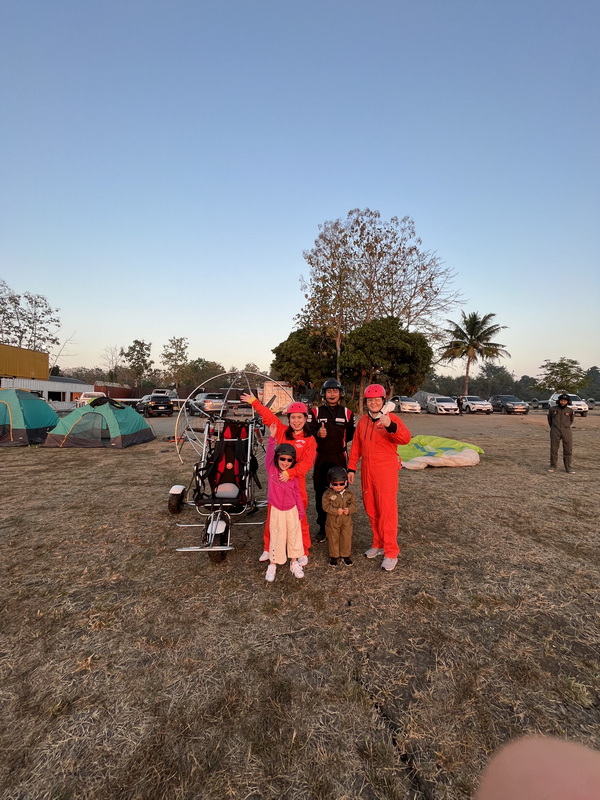
A paramotor outing changes the scale of a Chiang Mai visit. On foot, the eastern side of the city is experienced through individual roads, buildings, fields, and destinations. From the air, those separate details become a single visual composition. The appeal is not only the sensation of flight; it is the chance to understand how San Kamphaeng District, Chiang Mai fits together as a destination beyond the urban centre. That makes Chiang Mai Paramotor especially useful for travelers who want an active experience with a clear sense of place. The flight can serve as the central event, while nearby stops add recreation or a grounded local dimension. The strongest itinerary is not necessarily the one with the greatest number of activities. It is the one that gives each part a different job: the paramotor creates perspective, an attraction supplies movement or leisure, and time on the ground restores attention. This guide approaches the destination as an itinerary-design problem with a strong geographic answer. It explains what a Chiang Mai Paramotor Adventure contributes to a day, how Tube Trek Water Park and San Kamphaeng Village can function as nearby points of interest, and how to choose between three useful formats. It also shows how to preserve the identity of an eastern Chiang Mai trip if flying is not possible on the intended day.
A paramotor flight gives San Kamphaeng a readable shape
The most distinctive value of Flying Paramotor San Kamphaeng is the change in viewpoint. The district is experienced as a connected area instead of a series of isolated stops. Roads, settled areas, cultivated land, and the changing outline toward the hills can be understood in relation to one another. That visual relationship is difficult to grasp when every movement takes place at ground level.
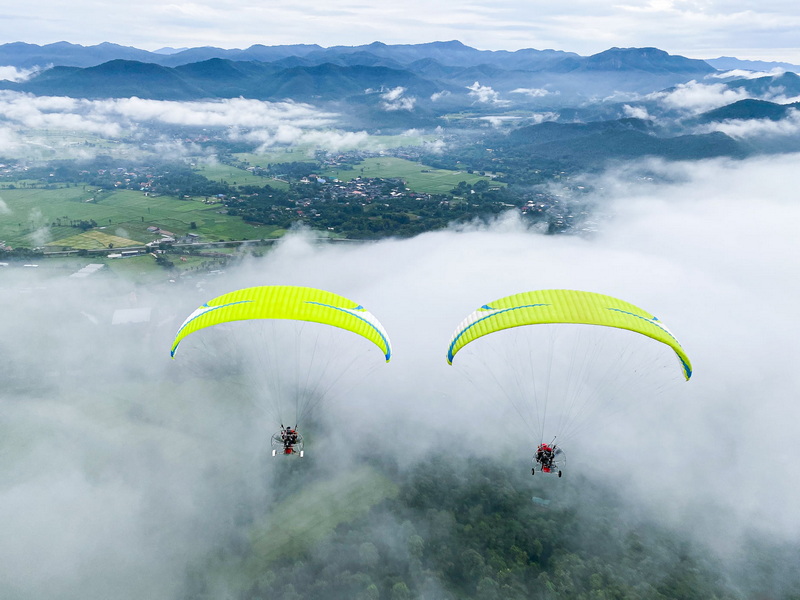
A paramotor also creates a slower, more open form of observation than a conventional sightseeing vehicle. The landscape is not reduced to a single viewpoint or a framed window. Patterns emerge gradually: built areas give way to open ground, routes appear as lines through the district, and the balance between settlement and countryside becomes easier to notice. These are geographic impressions rather than claims about a particular flight path, yet they explain why the experience feels connected to Chiang Mai itself.
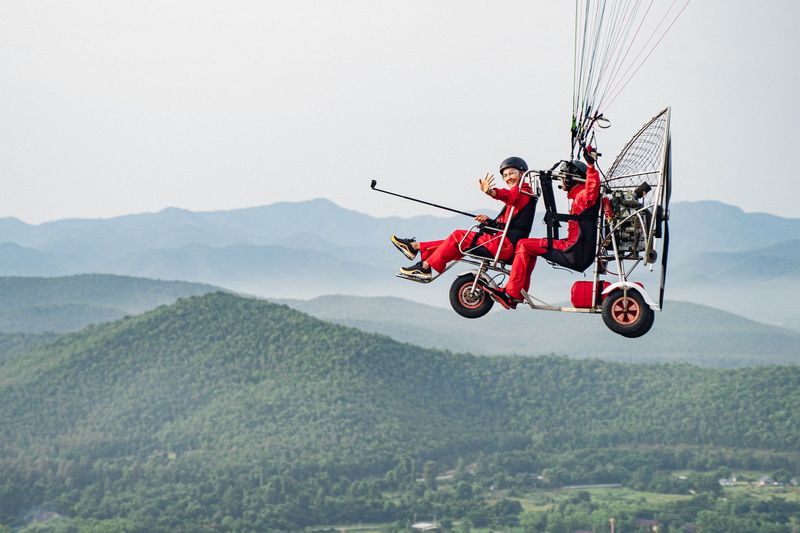
For an adventure traveler, this makes the activity more substantial than a short burst of excitement. The flight supplies a visual introduction to the eastern side of Chiang Mai, while the rest of the day gives those impressions context. A good Paramotor Adventure therefore has two layers: an airborne encounter that changes scale and ground-based experiences that return the visitor to the texture of the district.
Nearby Attractions
Tube Trek Water Park
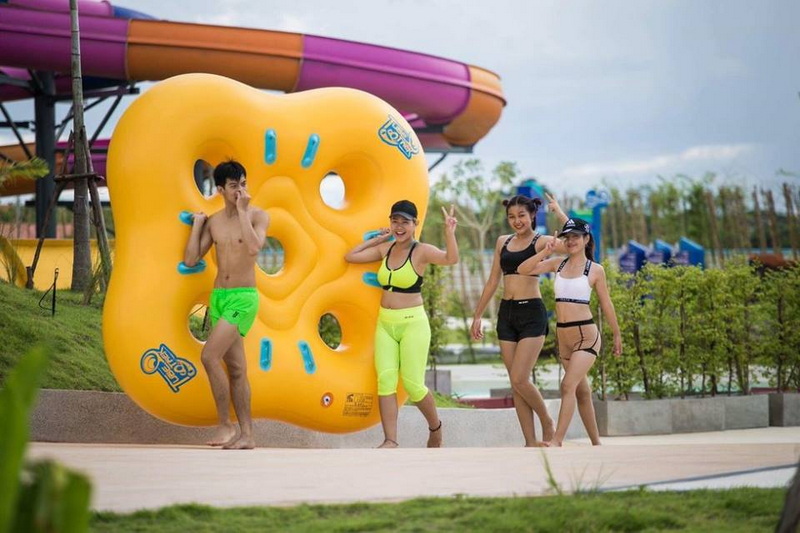
Tube Trek Water Park is a useful recreational reference point for an itinerary built around Chiang Mai Paramotor. Its presence broadens the day with a water-based leisure option, giving travelers a clearly different way to be active after considering the aerial experience.
San Kamphaeng Village

San Kamphaeng Village brings the itinerary back to the district’s ground-level setting. It can be included when travelers want their eastern Chiang Mai day to contain a local village context alongside the more unusual experience of flying.
Two nearby stops add different kinds of momentum
A useful day does not ask every attraction to deliver the same experience. Tube Trek Water Park can represent the recreational side of an eastern Chiang Mai outing, giving an itinerary a clearly active, leisure-focused component after the concentration of a flight. Its role is simple: add physical play and a change of pace.
San Kamphaeng Village offers a contrasting ground-level setting. The name itself points toward the settled character of the district, where a visitor’s attention shifts from the sensation of being airborne to the surroundings and everyday local context. It can give the day a stronger sense of place without requiring the entire itinerary to become a cultural tour.
Together, these nearby choices demonstrate why the district works for more than one style of adventure. One stop supports recreation; the other supports orientation on the ground. They should not be treated as interchangeable attractions, and their value comes from the different moods they introduce around the central flight.
Three itinerary shapes make the adventure easier to define
The focused half-day is the clearest format for travelers whose main purpose is the flight. Keep the day visually and mentally spacious around the paramotor experience, allowing the airborne view to remain the defining memory. This arrangement suits photographers, first-time flyers, and anyone who prefers one substantial activity over a crowded schedule. The nearby district remains part of the setting, but the itinerary does not compete with the main event.
The full-day eastern Chiang Mai route gives the flight a companion activity with a different physical rhythm. Paramotoring asks for attention to the view and the unusual sensation of leaving the ground. A recreational stop such as Tube Trek Water Park can then supply movement, play, and a more relaxed form of participation. The contrast is useful because the day no longer depends on repeating one kind of excitement.
The multi-stop cultural plan places the flight between periods on the ground. San Kamphaeng Village can provide a local setting for noticing the district at human scale, while the paramotor supplies a broader visual reference. This is not a request to turn ordinary community life into a spectacle. It is a way to let the flight and the village setting answer different questions: how the area is arranged, and how it feels when encountered from within.
These three formats also clarify the role of a tour. Travelers searching for the Best Adventure Tours In Chiang Mai may find the most useful comparison is not a ranking of excitement, but the balance of experiences a tour or self-shaped day creates. Look for a structure in which the aerial activity, recreation, and local setting have distinct purposes. The destination becomes easier to appreciate when the itinerary has internal rhythm.
The strongest day moves between altitude, activity, and place
A well-composed San Kamphaeng outing can be understood through three visitor roles. The paramotor is the observer: it reveals relationships across the district and gives the traveler a memorable sense of scale. A water-park visit is the participant: it asks for active engagement and supplies an uncomplicated recreational break. A village stop is the interpreter: it brings attention back to settlement, local surroundings, and the human scale of the journey.
This role-based approach prevents the day from becoming a loose collection of attractions. It also makes the destination relevant to different interests without forcing one description on every traveler. Someone focused on photography may value the observer role most. A group seeking shared recreation may give greater weight to participation. Travelers interested in the character of eastern Chiang Mai may find the ground-level setting equally important.
The phrase Must Visit Places in Chiang Mai often suggests a long list, but a meaningful list needs a reason behind it. In San Kamphaeng, the reason can be sequence: begin with a change in perspective, add a distinct recreational experience, and leave room for the district itself to register. This approach gives each stop a contribution instead of treating every destination as another item to collect.
The resulting Chiang Mai Paramotor Adventure is flexible without becoming vague. It can be concise when the flight is the priority, expansive when recreation matters, or more reflective when time on the ground is central. The eastern district provides the setting; the traveler’s chosen roles determine the shape of the day.
A grounded version can still belong to San Kamphaeng
Paramotoring is an outdoor experience, so the sequence of a day may need to change when the sky is unsuitable. The important response is not to replace the whole idea with unrelated sightseeing. Keep the eastern Chiang Mai identity intact by shifting attention toward the district’s ground-level attractions and the kind of experience they provide.
In that version, Tube Trek Water Park can carry the active component, while San Kamphaeng Village can preserve the sense of being in a settled eastern district rather than in a generic leisure zone. The day becomes less about altitude and more about participation, surroundings, and pace. If flying becomes possible at another point in the trip, the aerial experience can then add a new layer to an area already encountered from the ground.
Any outdoor itinerary should leave room for the operator’s current safety decision and the conditions of the day. That brief practical consideration does not diminish the destination’s appeal; it simply keeps the experience aligned with the realities of a flight-based activity.
Let each part of the day answer a different question
San Kamphaeng becomes most rewarding when the itinerary has a clear internal logic. The paramotor answers what the district looks like when its separate elements are viewed together. A recreational stop answers how the day can stay active. A village setting answers what the area feels like at ground level. Those answers do not need to compete. Choose the focused format for a flight-led experience, add recreation for a fuller active day, or use ground-level stops to give the aerial view context. In every version, Chiang Mai Flying Paramotor remains connected to the district that makes the flight meaningful: eastern Chiang Mai, encountered through changing scale and changing pace.
