Overland Planning for Baan La-Up and Mae Hong Son
A practical road journey guide for independent travelers exploring Mae La Noi and the wider mountain region
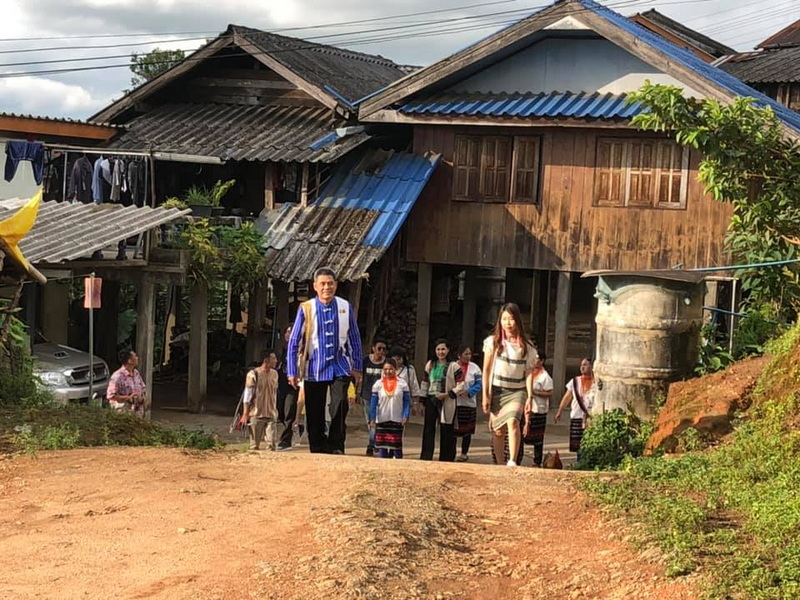
An overland journey from Chiang Mai to Mae Hong Son is best understood as a regional road experience rather than a simple transfer between two points. The route passes through mountainous landscapes, changing elevations, and rural districts where travel takes time. For independent travelers, the reward is the ability to pause thoughtfully and understand how each place fits into the wider journey. Baan La-Up, also written as Ban La-Up or Ban La-Up Mae Hong Son, is a community attraction in Mae La Noi District, Mae Hong Son. It can be included as part of a broader route through the province, especially for visitors interested in community life, scenic surroundings, and a slower style of sightseeing. Planning is important because the area is rural and should be approached with realistic expectations rather than a checklist mentality. This guide focuses on the language and decisions that shape an overland visit: route pacing, road comfort, respectful behavior, and how to connect Baan La-Up with nearby places. It does not promise a fixed itinerary or particular tour service. Instead, it offers a framework for discussing the journey with a driver or tour operator and for making sensible choices before setting out.
What an Overland Journey from Chiang Mai Involves
An overland trip from Chiang Mai to Mae Hong Son Province usually means spending substantial time on winding mountain roads. The journey is shaped by bends, hills, weather, traffic, and the number of places included along the way. A private vehicle, hired driver, or organized road journey may offer different levels of flexibility, but travelers should confirm the general route, expected driving conditions, and time available for stops before departure.
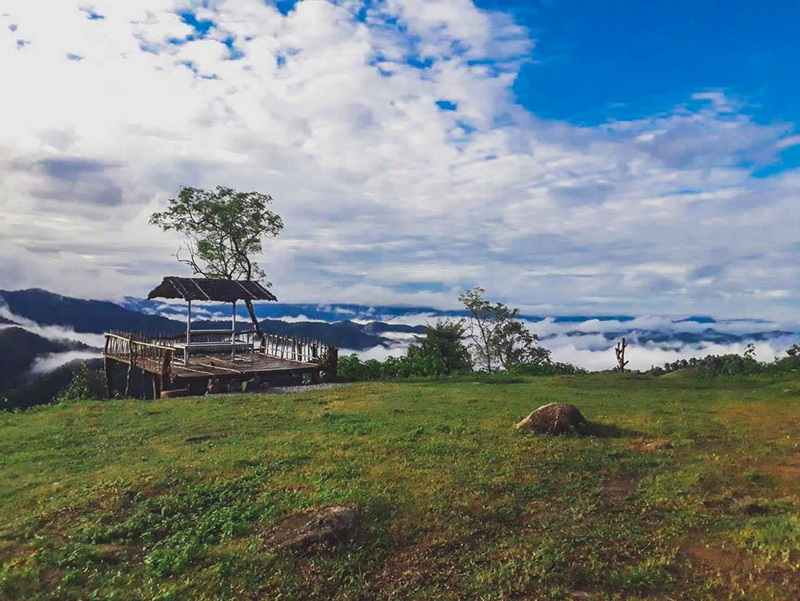
When discussing a Mae Hong Son Overland Tour From Chiang Mai, useful questions are more practical than promotional. Ask whether the route reaches Mae La Noi District, how long the vehicle is expected to remain in the area, and whether village visits are planned as brief viewpoints or as unhurried cultural stops. It is also sensible to clarify what happens if rain or road conditions affect the day’s plan, without assuming that every advertised stop can always be reached.
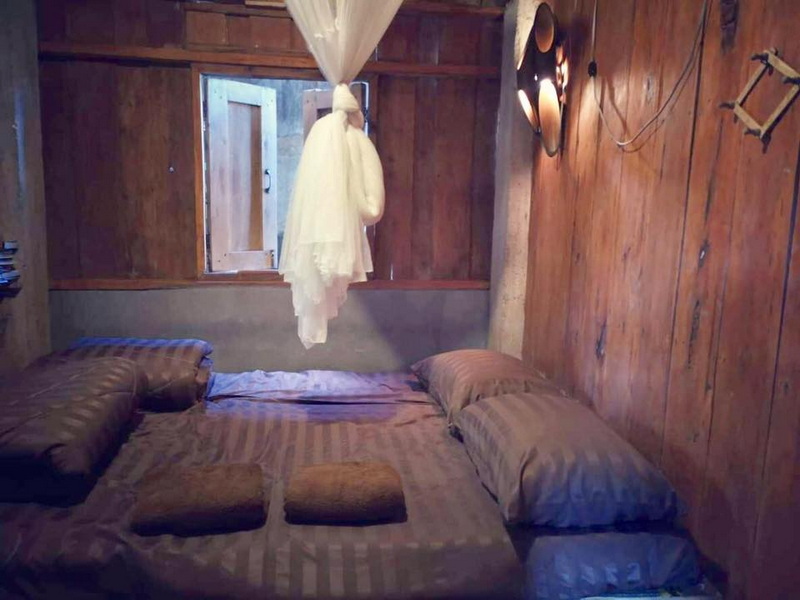
The phrase overland tour describes the character of the journey: travel by road through a connected landscape, with the route itself forming part of the experience. Travelers who become uncomfortable on winding roads may prefer regular breaks, a vehicle with enough space for the group, and a schedule that does not attempt too many distant attractions in one day. Families with young children should carry water, snacks, light layers, and familiar travel comforts, while older visitors may appreciate a plan with fewer rushed transitions.
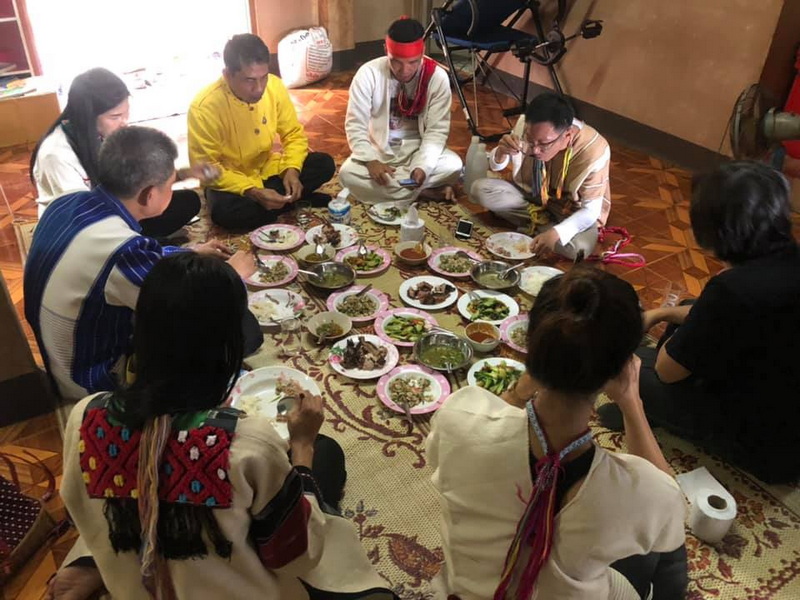
Navigation and communication also deserve attention. Place names may appear in several spellings, including Ban Lua-Up, Ban Lao-Up, or Baan La-Oub. Showing the exact destination name and district can help avoid confusion when arranging transport. A map reference is useful, but local road advice remains important because a mapped route does not necessarily indicate road width, surface, or travel comfort.
Useful Connections Beyond the Village
Once the community context is clear, nearby sites can add variety without changing the respectful pace of the journey. These two places offer different perspectives, but both require travelers to confirm conditions and follow local guidance.
Kaew Komol Cave

Kaew Komol Cave provides a natural contrast to the community setting of Baan La-Up and can help travelers shape a varied Mae La Noi route. The cave is known for its mineral formations, so visitors should follow local rules about walking, photography, and touching surfaces. Cave conditions and access arrangements can change, making it wise to confirm current information before building the day around a visit.
For an overland traveler, the main planning point is contrast: a cave stop may involve different footwear, lighting, enclosed spaces, and walking conditions than a village visit. Allow enough time to move between experiences without rushing either one. A guide’s instructions should take priority inside the cave, particularly where paths are narrow or surfaces are uneven.
Huai Hom Karen Village

Huai Hom Karen Village offers another community-focused connection for travelers exploring the Mae Hong Son region. It should be approached with the same respect as Baan La-Up: the village is a lived-in community, not a performance venue. Visitors can learn through approved interactions and careful observation, while allowing residents to decide how and when they engage.
Including Huai Hom Karen Village in a wider route may be suitable for travelers interested in rural livelihoods, local landscapes, and community perspectives. The distance and road conditions should be checked before departure, since adding another remote stop can change the pace of an overland day. A smaller number of well-planned visits is generally more considerate than trying to cover every possible location.
Understanding Baan La-Up as a Regional Community Stop
Baan La-Up is located in Mae La Noi District, Mae Hong Son, in a rural setting associated with mountain scenery and community life. Visitors should approach it as a living place rather than a staged attraction. Homes, paths, agricultural areas, and shared spaces have everyday purposes, so observation should be quiet and considerate. The most meaningful experience may come from noticing the relationship between settlement, landscape, work, and local routines rather than searching for a single dramatic sight.
The spelling Ban La-Oop may appear in travel searches and maps, while other sources use Ban La-Up or Baan La-Up. These variations generally refer to the same regional destination, but travelers should still check the district and surrounding route when communicating with transport providers. Using the local name carefully is a small but useful part of responsible planning, particularly when several rural communities have similar-sounding names.
There may not be the same visitor infrastructure found in major city attractions, and assumptions about facilities or accessibility should be avoided. Before traveling, ask about the nature of the stop, walking surfaces, available rest opportunities, and appropriate photography. Modest clothing, a low voice, and permission before photographing residents or private areas are sensible practices. Visitors should also avoid treating traditional clothing, homes, or ceremonies as entertainment without context or consent.
For those researching Mae Hong Son Thailand Attractions, Baan La-Up adds a community-centered perspective to the province. It helps balance better-known scenic drives and caves with an understanding that the region is also home to working communities. A respectful visit does not require an elaborate program. It requires time, attention, and willingness to follow local guidance.
Building a Balanced Day Around Mae La Noi
Baan La-Up works best within a route that leaves room for transitions. Rather than collecting as many stops as possible, travelers can choose one community visit and one contrasting natural or cultural site. This approach makes the road journey easier to manage and gives each place enough attention. It also reduces pressure on residents and allows flexibility when mountain roads take longer than expected.
A useful planning conversation might describe the day in terms of priorities: a village and landscape focus, a cave and community focus, or a gentle sightseeing route with limited walking. These phrases help a driver or guide understand the desired experience without implying that a particular package, schedule, or inclusion is guaranteed. Travelers should confirm whether entrance arrangements, local guidance, or additional transfers are needed instead of assuming they are automatically provided.
Weather is another reason to keep the plan adaptable. Rain can affect visibility, road conditions, and walking comfort, while strong sun can make exposed paths tiring. Comfortable shoes with good grip, sun protection, a light rain layer, and a small amount of drinking water are practical choices. Travelers should keep valuables secure and take all rubbish away from community and natural areas.
The journey is also a chance to practice patient travel. A slower stop, a quiet view, or a conversation arranged respectfully may be more valuable than a tightly timed sequence of photographs. This is particularly relevant for families, because children can be encouraged to observe farming landscapes and village design without entering private spaces or disturbing daily activities.
Questions to Ask Before Setting Out
Before confirming an overland journey, establish the destination names in writing: Baan La-Up, Mae La Noi District, and Mae Hong Son. If a search uses Ban La-Oop or another spelling, compare the location rather than relying on the name alone. Ask how much walking is expected, whether the road approaches the community directly, and where the vehicle can safely stop. These details help travelers prepare without making unsupported assumptions about infrastructure.
It is equally important to ask what kind of interaction is appropriate. A responsible visit should not require residents to perform, pose, or explain personal traditions on demand. If a local guide or community representative is involved, follow their instructions about photographs, sacred or private spaces, and areas that are not intended for visitors. Buying locally made goods, where available and clearly offered, can be a respectful way to support the community, but visitors should never pressure anyone to sell or negotiate aggressively.
For travelers comparing Mae Hong Son Overland Tour From Chiang Mai options, the strongest measure is often clarity. A reliable plan explains the general route, travel pace, vehicle arrangement, and expectations for village visits. Be cautious of descriptions that promise access to every location regardless of weather or road conditions. No road journey is entirely predictable, and a flexible plan is usually safer and more enjoyable than a rigid promise.
After visiting Baan La-Up, leave the area as it was found. Keep noise low, avoid litter, do not collect plants or objects, and respect signs or local requests. These actions are simple, but they protect the dignity of the community and the character of the destination. They also make it possible for future visitors to experience the area without increasing pressure on local life.
A More Confident Way to Plan the Road
An overland visit to Baan La-Up is most rewarding when the route is planned with patience and realistic expectations. Confirm the district, discuss road comfort and walking needs, leave space for changing conditions, and treat the community as a living place rather than a backdrop. With those principles in mind, travelers can connect Baan La-Up with Kaew Komol Cave, Huai Hom Karen Village, and the broader Mae Hong Son landscape in a way that is flexible, informed, and respectful.
