Choui Fong Tea Plantation A Tea Landscape for Thoughtful Chiang Rai Day Tours
A plantation-centered guide to reading tea fields, choosing a day-trip rhythm, and noticing Mae Chan’s rural character
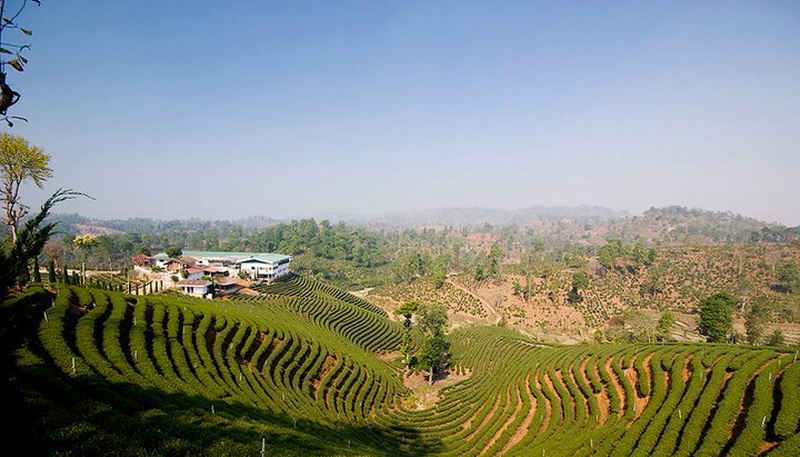
The first decision in planning a Chiang Rai Day Tour From Chiang Mai is not which landmark to collect next. It is deciding what kind of day you want the countryside to provide. Choui Fong Tea Plantation suits travelers who are interested in the character of a place: the pattern of cultivated hillsides, the relationship between a regional product and its landscape, and the simple pleasure of tasting or viewing tea in the setting where it is grown. Located in Mae Chan District, Chiang Rai, the plantation gives a day trip a clear subject without reducing the visit to a single photograph. That focus makes the destination useful in several ways. It can be the principal stop for people who enjoy scenery and agricultural interpretation, a brief visual pause within a fuller northern Thailand outing, or the setting for a quieter day with attention directed toward fields, weather, and tea products. The best choice depends on how much significance you want to draw from the plantation itself. This guide therefore treats Choui Fong Chiang Rai as a landscape to read, not simply a name to add to a route. It explains the visual and agricultural details that reward attention, shows how the two supplied nearby places can alter the day’s character, and offers a practical way to shape a Tea Plantation Chiang Rai visit without turning it into a rushed checklist.
Read the working hillside before reaching for the camera
Choui Fong Tea Plantation Chiang Rai is visually memorable because cultivated order covers a naturally elevated setting. Rows of tea trace the slopes in repeated lines, giving the land a texture that changes with distance. From a broad viewpoint, the pattern feels almost graphic; closer to the fields, it becomes a reminder that the scenery is produced by regular agricultural work. That shift in perspective is the central experience of the plantation.
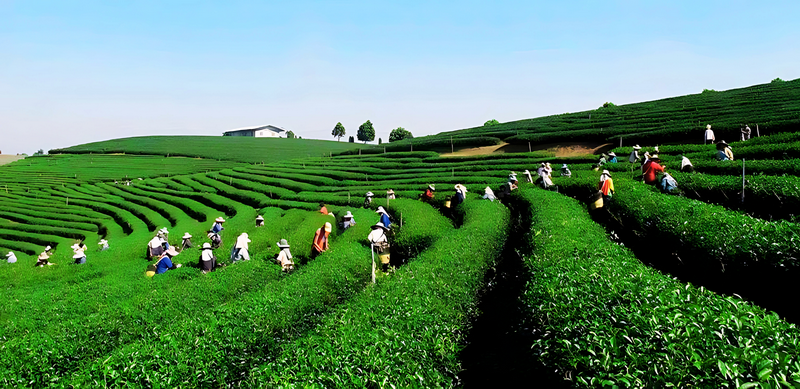
Tea is also a useful lens for understanding how landscape becomes livelihood. The fields are not ornamental gardens created only for visitors. They represent a crop associated with northern Thailand’s cool highland environments and with the everyday labor of growing, maintaining, harvesting, and presenting a regional product. Visitors can appreciate the scenery more deeply by noticing the difference between the planted rows, the surrounding hills, and the built areas intended for viewing or tasting.
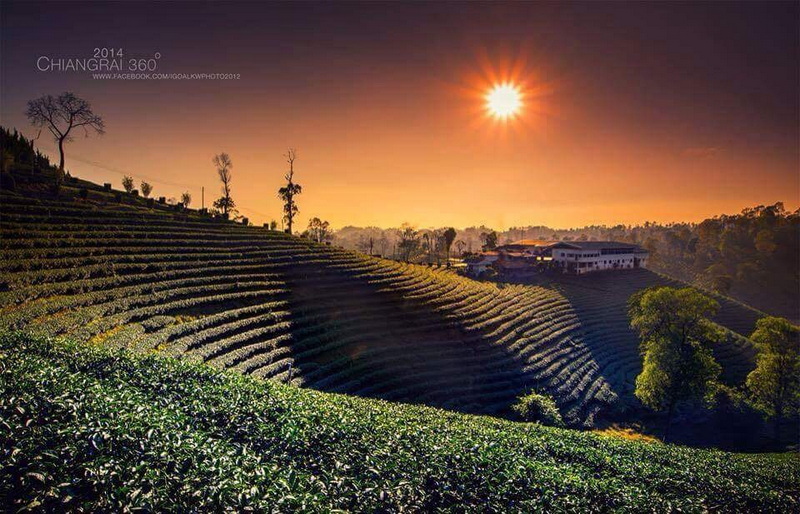
The visitor areas and tea-related products add another layer to the setting. A cup or packaged product connects the visual scene with what the plantation produces, allowing the visit to move from distant appreciation to a more tangible encounter with tea. This is where an agricultural destination gains substance: the landscape is not merely attractive, and the product is not detached from its source. The two explain each other.
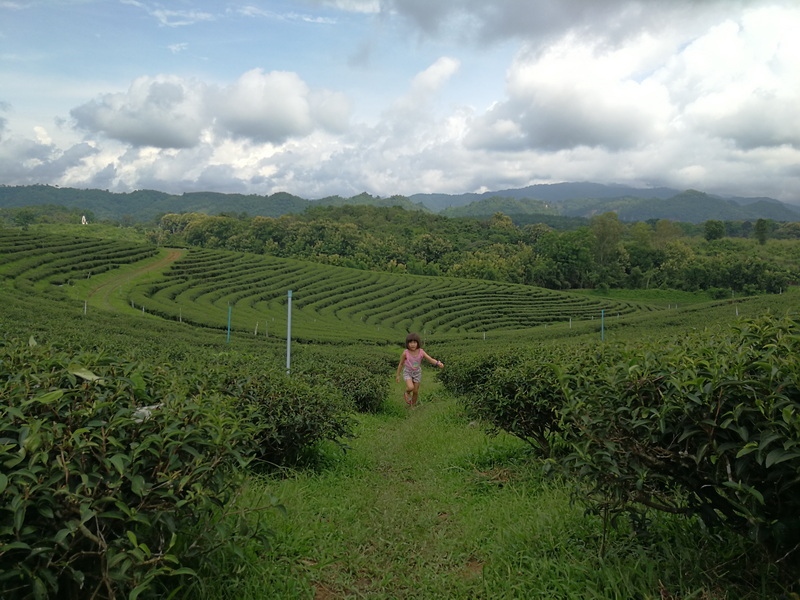
Two ways to extend the plantation’s story
Once the tea landscape has been understood on its own terms, the day can take one of two supplied directions. These nearby names work best as thematic choices, not automatic checklist items.
Pa Tueng Hot Springs
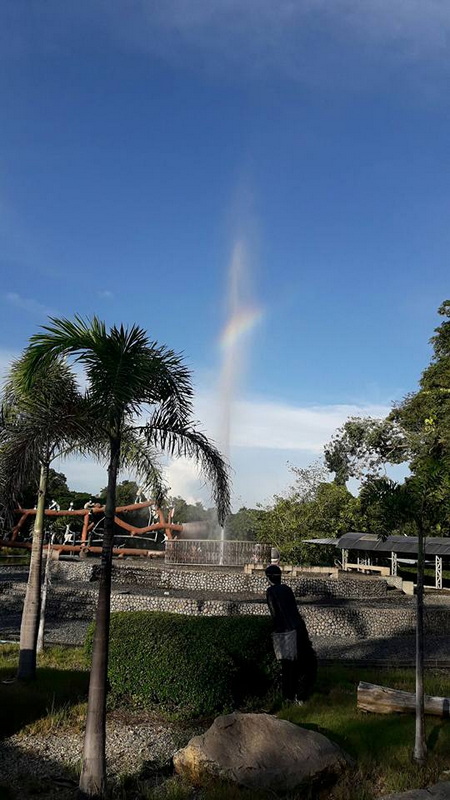
Pa Tueng Hot Springs introduces a hot-spring theme to the day’s set of possibilities. It can appeal to visitors who want the plantation outing to include a natural feature alongside its cultivated landscape. Keep the role of this stop clear: it is an additional point of interest, not a reason to rush through the tea fields.
Acha Thong Forest Monastery
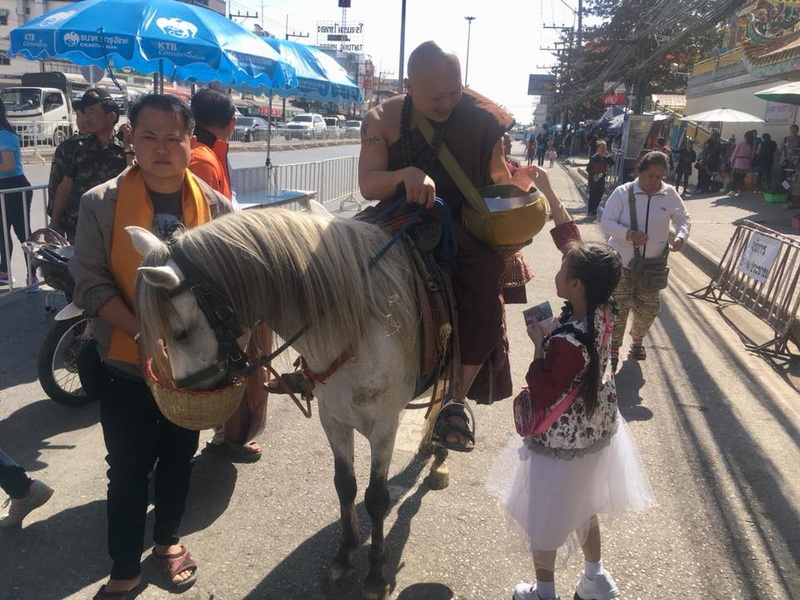
Acha Thong Forest Monastery offers a cultural and spiritual direction for the wider outing. Its presence gives travelers who value religious places and forest settings another possible subject to place beside the agricultural story of Choui Fong Tea. The contrast can be meaningful when chosen intentionally and given enough attention.
Two named additions can change the day’s subject
A plantation-centered outing does not need a long list of stops to feel complete. The supplied nearby choices offer two different ways to redirect attention after the tea fields. Their value lies in the theme each name introduces, so the decision can be made according to the interests already present in the group.
Three rhythms for experiencing Choui Fong Tea
A focused plantation day gives the fields the largest share of attention. This rhythm suits visitors who want to study the contours of the slopes, photograph changing views, sample tea-related products, and leave with a stronger understanding of the plantation as agriculture. The destination becomes the subject of the day, with no pressure to turn every surrounding possibility into a separate attraction.
A compact plantation visit works for people who mainly want the visual signature of Choui Fong Tea Plantation Mae Chan. In this version, the important experience is concentrated into the first look across the rows, a walk or pause in the visitor areas, and time to connect the setting with tea products. It is a useful choice when the plantation is one element in a wider Chiang Rai program, provided the visit is not treated as an instant photo backdrop.
A reflective rural rhythm gives the setting more interpretive space. Instead of measuring the success of the outing by the number of destinations reached, visitors can follow the plantation’s sequence from hillside to product: observe the terrain, notice how the rows organize the view, consider the work implied by the crop, and finish with tea as a regional expression. This approach is particularly rewarding for photographers, food-focused travelers, and anyone drawn to working landscapes.
These rhythms are not fixed tour products or promises about what a particular itinerary contains. They are ways of thinking about the same destination. The choice affects how much attention the fields receive, how much conversation the setting creates, and whether the visit feels primarily scenic, agricultural, or sensory.
Small observations give the plantation its character
The most revealing details at Choui Fong Tea Plantation Thailand are easy to overlook when the visit is reduced to a viewpoint. Look at how the rows follow the shape of the land instead of imagining the hillside as a flat green carpet. Notice how mist, strong sunlight, or cloud cover can change the contrast between the crop and the distant terrain. Weather is part of the visual experience because it alters the way the agricultural pattern is read.
Agricultural etiquette also matters. Visitors are entering a productive landscape, so established viewing areas should guide where people stand and photograph. The tea rows deserve the same consideration as any working field: avoid treating planted areas as open paths, and remember that a beautiful composition should not interfere with cultivation. Respect here is practical and visible, not an abstract rule added to the experience.
Tea products provide a useful point of interpretation for people who want something more concrete than scenery. Instead of judging the plantation only by its panorama, consider how the products extend the story of the crop beyond the hillside. Flavor, preparation, packaging, and presentation can all help explain why tea belongs to the identity of this place. A visit becomes richer when the product is understood as the conclusion of an agricultural process.
For photographers, the repeated geometry of the rows creates strong foreground and background relationships. For food enthusiasts, the tea offers a way to connect taste with terrain. For travelers interested in rural economies, the plantation presents a visible example of how agriculture can become part of a visitor experience while remaining rooted in production. None of these interpretations requires an elaborate activity schedule; they depend on looking carefully at what is already present.
Let the tea fields determine what deserves attention next
A useful Chiang Rai day tour from Chiang Mai can be shaped as a story with one central idea: cultivated land in a mountain setting. Begin with the visual impression of the hills, then move toward the details that explain it—the rows, the agricultural setting, and the tea products. This sequence gives the plantation intellectual as well as scenic value.
The next choice should answer a simple editorial question: will the rest of the day deepen the plantation theme or provide a deliberate change of subject? Pa Tueng Hot Springs and Acha Thong Forest Monastery are the supplied names to consider, but they should not be treated as automatic additions. If the group is still engaged by the tea landscape, extending that observation may be more satisfying than interrupting it. If the day needs a contrasting focus, one complementary place can create a clearer shape.
This way of planning leaves room for the plantation to be experienced at different levels. A short visit can deliver its defining image. A longer stay in the visitor areas can connect scenery with products. A more thoughtful outing can use the fields to prompt conversation about land, labor, regional food, and the way agricultural places welcome visitors. The destination’s strength is its ability to support all three readings without requiring a crowded itinerary.
Operational details such as opening arrangements and access can change, so a brief look at current visitor information is sensible before committing to a specific sequence. That practical step should support the experience, not become its main subject.
The real souvenir is a clearer sense of place
Choui Fong Tea Plantation is memorable because it makes an ordinary regional product visible in its full setting. The hills show where tea grows, the rows reveal how cultivation shapes the view, and the visitor areas connect that landscape with something that can be tasted and understood. That combination gives a Chiang Rai visit a precise subject: not simply mountain scenery, but the meeting point of terrain, agriculture, and hospitality. When the day is built around that idea, every additional stop has a meaningful role to play, and the plantation remains more than a photograph.
