Land Split Understanding Overland Travel in Mae Hong Son
A practical look at route planning, agency support, and natural sights around Pai District
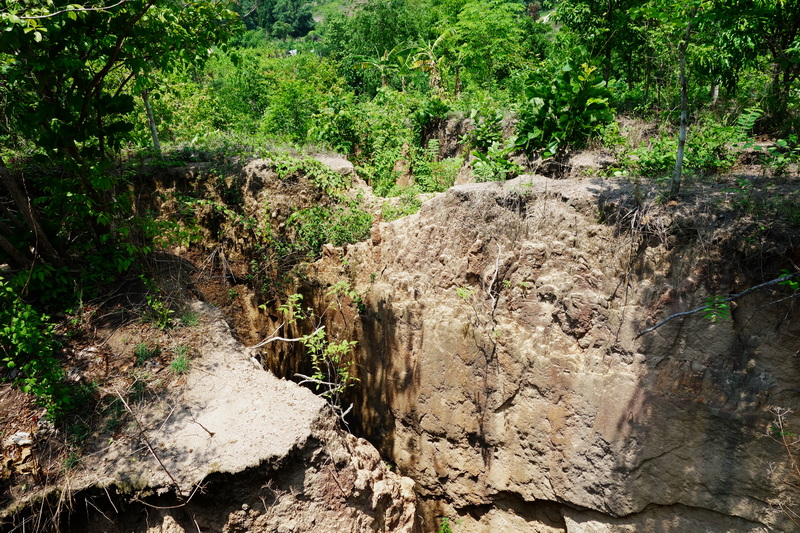
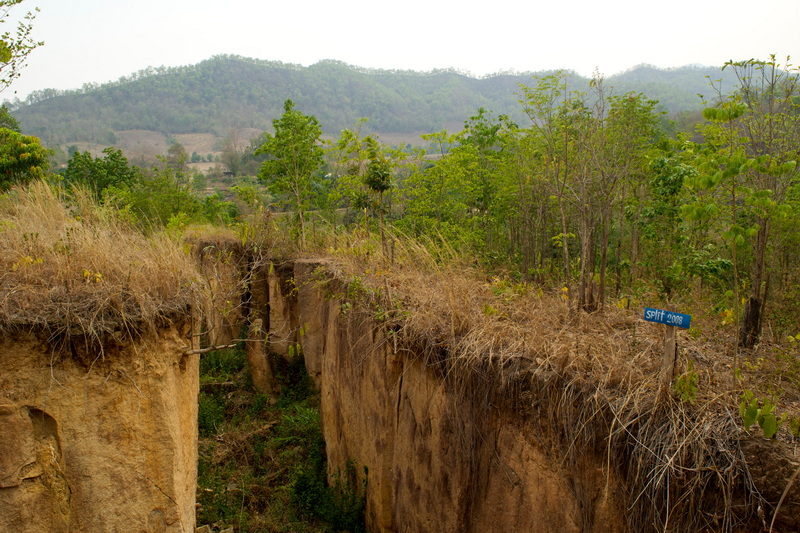
Land Split Pai is a modest but distinctive stop in Pai District, Mae Hong Son, where a visible geological feature becomes part of a wider countryside journey. Its value is not only in the unusual landscape, but also in the way it fits into overland travel through a mountainous region. Visitors often consider the stop alongside other places in the Pai area rather than as an isolated destination. For travelers approaching from Chiang Mai, the journey is best understood as a route-planning question. Roads through northern Thailand connect changing landscapes, towns, farms, valleys, and viewpoints, while travel time and road conditions can influence how many stops are realistic in one day. A well-organized overland plan therefore matters as much as the attraction itself. This Land Split Travel Guide examines how overland tours and travel agencies can support a visit without assuming that every operator offers the same service, route, or schedule. It also places Land Split in the context of two nearby sights, Kho Ku So Bamboo Bridge and Pam Bok Waterfall, so travelers can compare the character and practical demands of different stops around Pai.
Land Split as an Overland Travel Stop
Land Split is located in Pai District, Mae Hong Son, a region known for winding roads and dispersed rural attractions. That setting gives the visit an overland character: the experience is shaped by the movement between places, not simply by time spent at one site. A traveler may begin with a town-based plan, continue through agricultural scenery, and then pause at Land Split before moving toward another natural or cultural point of interest.
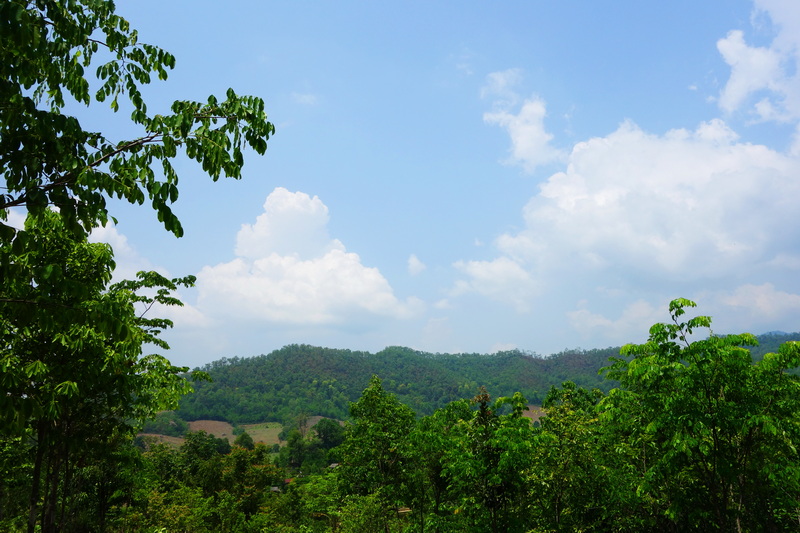
Overland travel is especially relevant in Mae Hong Son because attractions are spread across a broad landscape rather than concentrated in one walkable visitor zone. For travelers comparing Mae Hong Son Thailand Attractions, the route may involve mountain roads, changing elevations, and pauses that require realistic timing. Instead of treating every marked sight as an essential stop, travelers can select places that match their interests and allow enough flexibility for weather, road conditions, and time spent exploring.
A Mae Hong Son Overland Tour From Chiang Mai can appeal to visitors who want the journey between destinations to form part of the trip. The phrase describes a travel concept rather than one fixed itinerary, so the actual route depends on the operator, the traveler’s priorities, and the time available. Some visitors may prefer a focused Pai-area outing, while others may use Pai as one stage in a longer journey through Mae Hong Son Province.
The main advantage of this travel mode is continuity. Rather than arranging each movement independently, an overland plan can connect several geographically related experiences. Its limitation is that mountain travel is not always predictable in the same way as urban sightseeing. A responsible plan leaves room for slower sections, breaks, and changes instead of measuring success by the number of places visited.
Two Landscape Stops to Consider Along the Route
Land Split becomes easier to evaluate when compared with nearby places that offer different physical experiences. These two stops can help travelers decide whether their overland plan should emphasize geology, rural walking, water, or a measured combination of all three.
Kho Ku So Bamboo Bridge
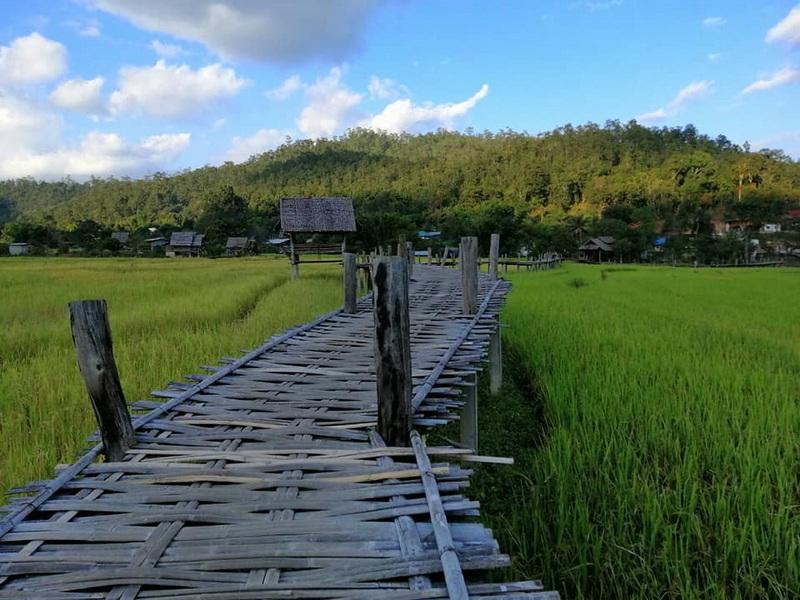
Kho Ku So Bamboo Bridge offers a different kind of countryside experience from Land Split. Its appeal is connected to the rural landscape and the relationship between a pedestrian route and the surrounding fields. The bridge is best approached as a place for slower observation rather than a quick checklist stop. Visitors should remain attentive to local guidance, respect cultivated land, and avoid assuming that every section or facility will operate identically throughout the year.
Including Kho Ku So Bamboo Bridge in an overland plan can create useful contrast. Land Split centers attention on a geological feature, while the bridge encourages travelers to notice agricultural scenery, walking conditions, and the human organization of the landscape. The two places may suit the same day conceptually, but the final sequence should account for road time, daylight, weather, and the traveler’s preferred pace.
Pam Bok Waterfall
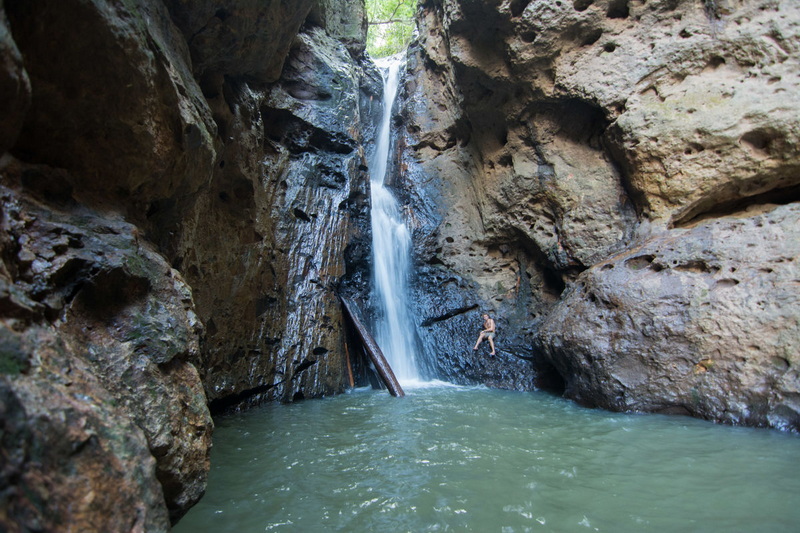
Pam Bok Waterfall brings a water-and-valley dimension to a Land Split itinerary. As with any outdoor attraction, the character of the visit can vary with rainfall and seasonal conditions, and travelers should follow current local advice rather than relying on a fixed expectation. Sensible footwear and care on potentially wet or uneven surfaces are more important than trying to maximize the length of a stop.
From a planning perspective, Pam Bok Waterfall can complement Land Split because the two places offer different ways to experience Pai District’s terrain. The waterfall encourages attention to rock, water, shade, and the immediate valley environment, while Land Split provides a more open geological perspective. A travel agency or local driver can help assess whether both fit comfortably into the same route, but travelers should retain realistic expectations about time and access.
What a Travel Agency Adds to the Planning Process
A Travel Agency Chiang Mai may help travelers turn a general interest in Mae Hong Son into a workable overland framework. The agency’s role can include discussing travel preferences, identifying suitable areas, coordinating a vehicle or guide where available, and explaining how a route could connect with the traveler’s broader northern Thailand plans. These functions are planning services, not guarantees of a particular itinerary.
The most useful agency conversation is specific about priorities. A traveler interested in geology may want more time at Land Split and other landscape-based stops. Someone focused on photography may value light, viewpoints, and flexible pauses. Another visitor may prefer a route that balances outdoor sights with time in Pai. Sharing these preferences early helps an agency assess whether a proposed journey is realistic.
Agencies can also help clarify the difference between a private arrangement, a shared excursion, and a driver-supported journey. These formats may differ in pace, decision-making, guide involvement, and flexibility. Travelers should ask what is included, which parts are confirmed, whether entrance or local fees are separate, and how the plan responds to weather or road disruption. Such questions support informed choices without assuming that every company follows the same operating model.
Local knowledge is another potential benefit. A Chiang Mai-based agency familiar with Mae Hong Son routes may understand how long a regional journey can take and which combinations of stops are overly ambitious. However, travelers should still review the plan carefully. Clear communication about start and end points, walking expectations, breaks, and the desired level of independence is more useful than choosing a provider solely because it advertises a long list of destinations.
Ethical agency involvement should also respect local communities and landscapes. A good travel plan avoids treating rural areas as scenery without context, discourages careless behavior at agricultural sites, and recognizes that natural attractions may have limited facilities. Visitors can contribute positively by following local instructions, avoiding litter, and keeping their expectations realistic about services in less urban areas.
Building a Balanced Day Around Land Split
A practical visit begins with deciding what role Land Split should play in the day. It can be the principal stop for travelers curious about a geological feature, or it can serve as one short stage within a broader Pai countryside route. The second approach may be attractive for visitors who enjoy varied scenery, but it requires discipline: several brief stops can become tiring when roads are slow and distances appear shorter on a map than they feel in practice.
The physical character of the destination should guide expectations. Land Split is an outdoor landscape feature rather than a conventional museum or entertainment venue. Travelers should consider sun exposure, uneven ground, and the possibility that facilities may be limited or change over time. Comfortable clothing, suitable footwear, drinking water, and attention to local conditions are sensible planning measures, while visitors should avoid assuming that every convenience will be available on site.
Timing is best treated as an adjustable framework. A tour provider or driver may suggest a sequence, but the traveler should understand which parts are fixed and which can change. Weather, traffic, road maintenance, and personal energy all affect a mountain-area journey. Building a little margin into the route can make the experience calmer and allows time to observe the setting instead of rushing from one photo opportunity to the next.
For independent planners, the same principles apply. Check the route before departure, allow more time than a simple distance calculation suggests, and confirm current access information through reliable local sources when possible. A map can identify the general position of Land Split, but it cannot fully communicate road character, seasonal conditions, or the amount of time needed for a comfortable stop.
The broader value of overland travel is this relationship between movement and place. On the way to Land Split Mae Hong Son, the landscape is not merely a corridor between attractions. Hills, cultivated areas, roadside communities, and changing weather contribute to the regional experience. Observing respectfully and traveling at a measured pace can provide a stronger sense of Mae Hong Son than trying to collect attractions as isolated points.
Choosing an Overland Approach with Confidence
A visit to Land Split is most rewarding when treated as part of a carefully paced Mae Hong Son journey. Overland tours can simplify regional planning, while travel agencies may provide useful coordination and local route knowledge, but travelers should compare services and confirm practical details before committing. With realistic timing, respect for rural settings, and room for changing conditions, Land Split, Kho Ku So Bamboo Bridge, and Pam Bok Waterfall can form a varied introduction to Pai District without turning the trip into a rushed checklist.
